Intersectionality for Executives: Leading with Inclusive Intelligence
Navigating Intersectionality in Executive Roles
As leaders, we’re constantly faced with complex challenges that demand more than just technical expertise. We need a deep understanding of the human element in our organizations. One of the most critical, yet often overlooked, aspects of this is intersectionality. It’s not just a buzzword; it’s a fundamental lens through which effective leaders must view their teams and their own decision-making processes. My two decades in leadership development have taught me that ignoring intersectionality isn’t just a missed opportunity – it’s a direct path to missteps and alienation.
Table of Contents
Key Takeaways:
- Intersectionality recognizes that individuals hold multiple, overlapping social identities (e.g., race, gender, sexual orientation, ability).
- Understanding these intersecting identities is crucial for effective leadership, decision-making, and team building.
- Executives must actively work to identify and mitigate unconscious biases that stem from these intersecting identities.
- Practical strategies include self-awareness, empathy, implementing inclusive policies, and championing diversity.
- Addressing resistance and fostering psychological safety are key to successful integration of intersectional understanding.
Understanding Intersectionality in Leadership
At its core, intersectionality is the understanding that people have multiple, overlapping social identities. These aren’t separate boxes; they intersect and create unique experiences. Think about it: a Black woman’s experience in the workplace is not just the sum of being Black plus being a woman; it’s a distinct experience shaped by the intersection of those identities. This nuanced view moves beyond looking at single identity categories and acknowledges the complexity of human experience.
Beyond Visible Differences
Many leaders tend to focus on the most visible aspects of diversity – race, gender, perhaps age. While these are vital, intersectionality pushes us to look deeper. It includes less visible identities like socioeconomic background, disability status, neurodiversity, veteran status, and even geographical origin. For instance, how does the leadership journey differ for a first-generation college graduate from a rural area compared to someone from an affluent urban background? Acknowledging these layers provides a richer picture.
The Interconnected Nature of Identity
It’s tempting to think of these identity categories as silos. However, they are inherently interconnected. A leader who champions gender equality might inadvertently overlook the unique challenges faced by women of color if they don’t consider the intersection of race and gender. True leadership development means recognizing that these identities don’t exist in isolation, but rather form a complex tapestry that shapes an individual’s perspective and opportunities. This requires a shift from a checklist approach to diversity to a more holistic understanding.
Why Intersectionality Matters for Executives
Ignoring intersectionality in executive roles leads to blind spots that can cripple strategy and damage culture. My experience shows that organizations that embrace this complexity are far more resilient and innovative.
Enhanced Decision-Making and Problem-Solving
When executives understand the diverse perspectives that emerge from intersecting identities, they make better decisions. Different lived experiences bring different insights to the table, especially when navigating complex issues like Digital Transformation Frameworks: Your Ultimate Guide to Navigating Change. A team that reflects a wider range of intersecting identities is better equipped to anticipate unintended consequences and identify novel solutions to challenges. This directly impacts Navigating the Nuances: A Self-Reflective Guide on ‘Critique vs Criticize’, as feedback loops become more robust.
Building More Inclusive Teams
An intersectional approach is foundational to building truly inclusive teams. When team members feel their full identities are seen and valued, they are more engaged, loyal, and productive. This moves beyond surface-level diversity initiatives to create a genuine sense of belonging. It’s about fostering an environment where everyone feels safe to bring their authentic selves to work, which is critical for Building Resilience in Leaders: The Essential Guide to Navigating Challenges.
Mitigating Unconscious Bias
We all have unconscious biases shaped by our own experiences and societal conditioning. Intersectionality highlights how these biases can become more complex and impactful when we fail to consider the overlapping nature of identities. For example, a leader might have positive intentions towards women but hold unconscious biases against women from a particular ethnic minority. Recognizing these intersections is the first step to actively dismantling them, leading to more equitable outcomes in areas like performance reviews and promotions. This is crucial for Leading Through the AI Revolution in the Workplace as well. Understanding how to navigate these biases is also key to successfully Negotiating Boardroom Dynamics: The Art of Persuasion for Non-Executives.
Practical Strategies for Executive Roles
Moving from understanding to action requires deliberate effort. As leaders, we must embed these principles into our daily operations.
Self-Awareness and Continuous Learning
The journey begins with introspection. Leaders must actively explore their own biases and assumptions related to intersecting identities. This means seeking out feedback, engaging in honest self-reflection, and committing to ongoing learning. Resources like Executive Coaching for New Managers: Your Blueprint for Success can be instrumental here, offering a confidential space for growth.
Cultivating Empathy and Active Listening
Empathy isn’t just a soft skill; it’s a strategic imperative. It requires actively seeking to understand the world from another person’s perspective, especially when their experiences differ significantly from your own. This involves active listening – truly hearing what others are saying, both verbally and non-verbally, without immediate judgment. This practice is vital when engaging with diverse stakeholders, as detailed in Stakeholder Analysis: Your Ultimate Guide to Navigating Change Initiatives.
Implementing Inclusive Policies and Practices
Look critically at your organization’s policies and procedures. Do they inadvertently disadvantage individuals with intersecting identities? This could range from hiring practices to parental leave policies and even how meetings are structured. Reviewing these through an intersectional lens helps ensure fairness and equity across the board. This aligns with the principles of Leading with Purpose: How Executives Drive Corporate Social Responsibility Strategy. Furthermore, effectively Leading Sustainability Initiatives in Corporate Strategy is a critical objective that requires a deep understanding of inclusive policy implementation and its impact on diverse stakeholders.
Championing Diversity at All Levels
True leadership in this area means actively championing diversity, equity, and inclusion, not just in HR initiatives but in strategic planning and daily operations. It means using your influence to ensure that diverse voices are heard and valued in critical decisions. This can involve setting clear diversity goals and holding yourself and your leadership team accountable. It’s about making inclusivity a core business imperative, much like Financial Forecasting for Executives: Drive Strategic Decisions with Precision.
Navigating Challenges and Resistance
Introducing concepts like intersectionality isn’t always met with immediate acceptance. Expect pushback, confusion, and even resistance. Your role as a leader is to navigate these challenges constructively.
Addressing Unconscious Bias Head-On
When individuals express discomfort or confusion, meet it with patience and education, not defensiveness. Frame the conversation around the business benefits of inclusivity and the risks of not addressing bias. Highlight how understanding intersectionality actually enhances Problem Solving Skills for Leaders: The Ultimate Guide to Navigating Challenges.
Fostering Psychological Safety
Create an environment where people feel safe to speak up about their experiences and concerns without fear of retribution. This is essential for uncovering the subtle ways bias can manifest. Psychological safety is the bedrock upon which inclusive cultures are built, enabling open dialogue and continuous improvement. This requires leaders to demonstrate vulnerability and model respectful communication, a key aspect of Mastering Executive Presence: How to Harness Narrative Storytelling.
Leading Difficult Conversations
Be prepared to have tough conversations about privilege, bias, and systemic inequities. These discussions are necessary for genuine progress. Equip yourself and your teams with the skills to engage in these dialogues respectfully and productively, often requiring strong Cross-Cultural Leadership Adaptability: Navigating Global Teams with Success principles.
Further Reading & Frameworks
- Kimberlé Crenshaw: The legal scholar who coined the term ‘intersectionality’. Her foundational work is essential for a deep understanding.
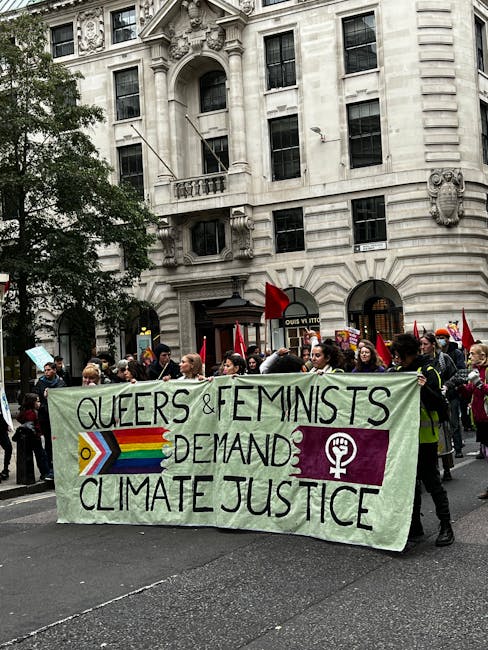
- Intersectional Environmentalism: A movement and framework that connects environmental justice with social justice, highlighting how environmental issues disproportionately affect marginalized communities.
- The Social Identity Theory: Explains how group membership influences our self-concept and behavior, relevant to understanding in-group/out-group dynamics.
- Allyship Frameworks: Practical guides and principles for individuals to actively support and advocate for marginalized groups.
- Dr. Brene Brown’s work on Vulnerability and Courage: Essential for leaders looking to create psychologically safe environments where difficult conversations can occur. Her research underpins much of modern organizational psychology.
- The Paradox of Control: While not directly intersectionality, this framework (often discussed in organizational behavior) highlights how perceived control can be inequitably distributed, impacting individuals differently based on their identities and contexts. This is often relevant when Managing Up: Upward Management Frameworks for Directors Navigating Volatile Founder-CEOs.
- Greenwashing & Corporate Disclosure: Navigating Transparency (https://leadership-and-development.com/greenwashing-corporate-disclosure-navigating-transparency/): Understanding how transparency in corporate actions can be impacted by different stakeholder perspectives, a lens often informed by intersectional concerns.
- Neuro-Agile Leadership: Safeguarding Executive Function in R&D After Project Failures (https://leadership-and-development.com/neuro-agile-leadership-safeguarding-executive-function-in-rd-after-project-failures/): While specific to R&D, the principles of understanding diverse cognitive styles and adapting leadership approach resonate with intersectional awareness.
- Adaptive Leadership Styles for Innovation: Navigating Uncertainty with Agility (https://leadership-and-development.com/adaptive-leadership-styles-for-innovation-navigating-uncertainty-with-agility/): Leaders must be agile in recognizing and responding to the varied needs and contributions of individuals within their teams, a core tenet informed by intersectional understanding.
- AI Governance for Tech Leaders: Navigating Ethical Boundaries & Driving Responsible Innovation (https://leadership-and-development.com/ai-governance-for-tech-leaders-navigating-ethical-boundaries-driving-responsible-innovation/): Ethical leadership in technology increasingly demands an intersectional perspective to ensure AI systems do not perpetuate or exacerbate existing societal biases.
- Forge Unshakeable Leaders: Develop Executive Resilience Through Coaching (https://leadership-and-development.com/forge-unshakeable-leaders-develop-executive-resilience-through-coaching/): Building resilience requires acknowledging the varied stressors and support systems individuals possess, influenced by their intersectional identities.