Leadership in Supply Chain Management
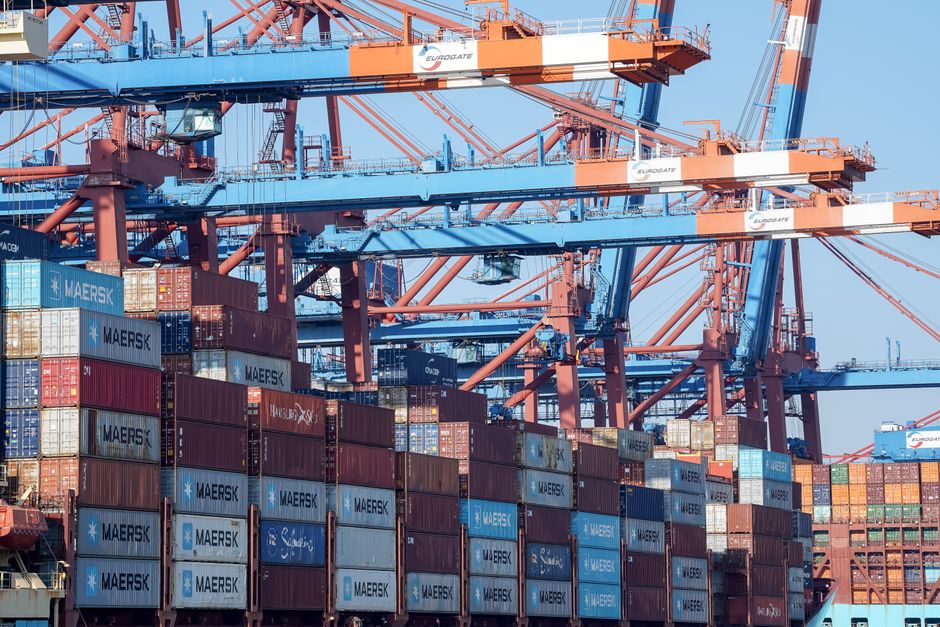
Table of Contents
- The Evolving Landscape of Supply Chain Leadership
- Core Competencies of Effective Supply Chain Leaders
- Leading Through Disruption and Uncertainty
- The Role of Technology in Modern Supply Chain Leadership
- Developing Future Supply Chain Leaders
- Sustainability and Ethical Leadership in Supply Chains
- Case Studies: Inspiring Supply Chain Leadership in Action
The Evolving Landscape of Supply Chain Leadership
The world of supply chain management is in constant flux, demanding a new breed of leader. Gone are the days of simply ensuring goods moved from point A to point B efficiently. Today’s supply chain leader is a strategic architect, a crisis manager, and a visionary, orchestrating complex global networks with agility and foresight. Defining leadership in this context means empowering teams, fostering collaboration across silos, and driving innovation. It’s about understanding the intricate interplay of global markets, rapidly evolving technologies, the imperative for sustainability, and the ever-present threat of unforeseen disruptions.
The challenges facing modern supply chain leaders are multifaceted and intensify daily. Globalization has created vast, interconnected webs that are susceptible to geopolitical shifts, trade wars, and pandemics, as we’ve seen vividly in recent years. The relentless march of technology, from AI and automation to blockchain and the Internet of Things, presents both immense opportunities for optimization and significant hurdles in implementation and integration. Furthermore, the growing societal and regulatory pressure for sustainable and ethical practices demands a fundamental re-evaluation of how products are sourced, manufactured, and delivered. This complex tapestry necessitates a shift from a purely transactional, cost-focused approach to one of strategic leadership, where decisions are made with long-term resilience and competitive advantage in mind. For a deeper dive into this crucial evolution, consider exploring Supply Chain Management: The Ultimate Guide to Efficiency & Resilience.
This paradigm shift demands agile and resilient supply chain leadership. The traditional command-and-control model is no longer sufficient. Leaders must cultivate an environment where teams can adapt quickly to changing circumstances, pivot strategies, and recover swiftly from shocks. This involves developing robust risk management frameworks, fostering a culture of continuous improvement, and investing in technologies that provide visibility and flexibility. The emphasis is on building supply chains that are not only efficient but also adaptable – capable of withstanding and even thriving amidst volatility. This focus is central to Supply Chain Resilience Leadership: Navigate Disruption & Drive Growth. Moreover, achieving operational dominance requires a comprehensive understanding of these dynamics, making Supply Chain Leadership Excellence: Your Blueprint for Operational Dominance an essential read.
The ability to effectively lead through crises is paramount. Supply chain leaders are increasingly finding themselves on the front lines of unexpected events, from natural disasters to cyberattacks. This requires not just operational expertise but also exceptional crisis management skills. Leaders must be able to make swift, decisive actions under pressure, communicate clearly and empathetically with stakeholders, and guide their teams through periods of intense uncertainty. The principles of Leading Through the Fire: Mastering Crisis Management Leadership in an Unpredictable World are directly applicable here. Ultimately, success in this arena hinges on a leader’s ability to balance immediate needs with long-term strategic goals, a core tenet of Leading Supply Chains for Operational Excellence: A Veteran’s Playbook. This strategic foresight is also crucial for Supply Chain Optimization Leadership: Strategies for a Resilient Future.
Core Competencies of Effective Supply Chain Leaders
The modern supply chain is a complex, dynamic ecosystem, and leading it effectively demands a unique blend of strategic vision, decisive action, and nuanced interpersonal skills. A seasoned supply chain leader isn’t just managing logistics; they are architecting resilience, optimizing performance, and driving competitive advantage. Let’s delve into the core competencies that define excellence in this critical field.
At the forefront is strategic thinking and foresight. The ability to see beyond the immediate operational challenges and anticipate future market shifts, technological advancements, and geopolitical influences is paramount. This involves understanding the broader business objectives and aligning supply chain strategy accordingly. It’s about proactive planning, not just reactive problem-solving. This aligns with the principles discussed in Supply Chain Management: The Ultimate Guide to Efficiency & Resilience.
Crucially, leaders must excel at decision-making under uncertainty and pressure. Supply chains are inherently susceptible to disruptions, from natural disasters to economic volatility. The capacity to analyze incomplete information, weigh potential outcomes, and make timely, sound decisions, often with significant financial implications, is a hallmark of effective leadership. This is where honing Leading Through the Fire: Mastering Crisis Management Leadership in an Unpredictable World becomes vital.
Hand-in-hand with decision-making is a robust approach to risk management and mitigation strategies. This involves identifying potential vulnerabilities across the entire supply chain, from raw material sourcing to final delivery, and developing contingency plans. Building a resilient supply chain requires a proactive stance on risk, turning potential threats into manageable challenges. This is a key aspect of Supply Chain Resilience Leadership: Navigate Disruption & Drive Growth.
Effective leaders also master collaboration and stakeholder management (internal and external). Supply chains involve a vast network of internal departments (procurement, manufacturing, sales, finance) and external partners (suppliers, logistics providers, customers). Fostering strong relationships, clear communication, and alignment of goals across these diverse groups is essential for smooth operations and problem-solving. Navigating these complex relationships often requires strong Leadership conflict management strategies.
In today’s data-rich environment, technological literacy and data-driven insights are non-negotiable. Leaders must understand how to leverage advanced analytics, AI, and other technologies to gain visibility, optimize processes, and predict trends. This includes proficiency with systems that manage everything from forecasting to warehouse operations, as highlighted in Inventory Management Systems Leadership: Guiding Your Team to Operational Excellence. Furthermore, understanding how to optimize physical spaces, as explored in Warehouse Layout Optimization: A Leadership Blueprint for Operational Excellence, relies heavily on data.
Financial acumen and cost optimization are also critical. Supply chain leaders are responsible for significant budgets and must understand how to manage costs without sacrificing quality or resilience. This involves a deep understanding of financial metrics, cost drivers, and strategies for achieving greater efficiency. It’s about delivering value and maximizing profitability, a core tenet of Supply Chain Optimization Leadership: Strategies for a Resilient Future.
Case Study: Global Pharmaceutical Company Navigates Supply Shortages
A global pharmaceutical company faced unprecedented demand and critical raw material shortages due to geopolitical events. The supply chain leadership team, demonstrating exceptional strategic foresight and decisive action, immediately implemented a multi-pronged approach. They diversified sourcing by rapidly onboarding new, vetted suppliers in different regions, significantly increasing lead times and costs initially but ensuring continuity. Concurrently, they leveraged predictive analytics to reallocate existing inventory to regions with the most acute needs, communicating transparently with healthcare providers about potential delays. Their ability to collaborate closely with regulatory bodies and competitors (in a controlled, ethical manner) to share anonymized demand forecasts proved instrumental in coordinating global responses and avoiding widespread stockouts. This exemplifies a successful integration of risk mitigation, stakeholder management, and data-driven decision-making under extreme pressure.
Finally, ethical considerations and corporate social responsibility (CSR) are no longer optional extras but fundamental pillars of leadership. This includes ensuring fair labor practices throughout the supply chain, minimizing environmental impact, and maintaining transparency. A commitment to sustainability and ethical sourcing builds trust with consumers, regulators, and employees, contributing to long-term brand value and operational integrity. This resonates with the principles of What is Authentic Leadership? and the growing importance of Unconscious Bias in Leadership. True leadership in supply chain management is about building an agile, resilient, and responsible network that can thrive in an ever-changing world, as detailed in Supply Chain Leadership Excellence: Your Blueprint for Operational Dominance.
Leading Through Disruption and Uncertainty
The modern supply chain landscape is a dynamic, often volatile arena. Gone are the days of predictable flows and stable demand. Today’s leaders must navigate a constant state of flux, where disruptions, from geopolitical shifts and natural disasters to economic downturns and unforeseen pandemics, are not exceptions but the norm. This necessitates a profound shift in leadership approach, moving from a focus on optimization for efficiency to a strategic emphasis on resilience and agility.
Leading Through Disruption and Uncertainty
At the heart of effective leadership in this environment lies the ability to build supply chain resilience. This isn’t about building impenetrable walls, but rather creating a flexible, adaptable network that can withstand shocks and recover quickly. It involves a multi-pronged strategy that begins with understanding potential vulnerabilities across the entire value chain, from raw material sourcing to final delivery. Diversifying supplier bases, exploring near-shoring or re-shoring options, and investing in flexible manufacturing capabilities are all critical components of this resilience building.
Crucially, this proactive approach demands the development of robust contingency plans and crisis management protocols. These aren’t static documents; they are living frameworks that are regularly tested and refined. Leaders must anticipate a range of scenarios and define clear roles, responsibilities, and communication channels for each. This includes establishing emergency response teams and outlining decision-making processes that can be activated swiftly when a crisis hits. A failure to plan is a plan to fail, and in supply chain management, the stakes are incredibly high. This ties directly into the principles of Leading Through the Fire: Mastering Crisis Management Leadership in an Unpredictable World.
When disruption strikes, effective communication during crises becomes paramount. Transparency, clarity, and empathy are vital. Leaders must communicate promptly and accurately with all stakeholders – employees, suppliers, customers, and investors. This means providing regular updates, managing expectations, and explaining the steps being taken to mitigate the impact. Honest and open dialogue can prevent panic, build trust, and foster collaboration during the most challenging times. This is where demonstrating authentic leadership, as explored in What is Authentic Leadership?, truly shines.
The judicious leveraging of technology for real-time visibility and response is no longer a competitive advantage; it’s a necessity. Advanced analytics, AI-powered forecasting, and IoT sensors can provide an unprecedented view of the supply chain. This real-time data allows leaders to detect anomalies, predict potential disruptions, and respond with agility. For instance, having robust Inventory Management Systems Leadership: Guiding Your Team to Operational Excellence can provide immediate insights into stock levels and potential shortages, enabling swift reallocation. Digital twins, for example, can simulate the impact of disruptions and test mitigation strategies before they are implemented in the real world. According to McKinsey & Company, companies with advanced supply chain visibility are 20% more likely to see revenue growth during periods of disruption.
Case Study: Navigating the Semiconductor Shortage
A global electronics manufacturer faced unprecedented disruption due to the worldwide semiconductor shortage. Their leadership team immediately activated a pre-defined crisis management protocol. They leveraged real-time data from their supply chain partners to pinpoint the most critical component shortages and their impact on production lines. This allowed them to prioritize allocation of available chips to their most strategically important product lines. Furthermore, they engaged in proactive, transparent communication with their key clients, setting realistic delivery expectations and offering alternative product configurations where feasible. They also initiated a rapid sourcing initiative to identify and qualify secondary suppliers, enhancing their future resilience. This multi-faceted approach, rooted in strong Supply Chain Resilience Leadership: Navigate Disruption & Drive Growth, minimized production downtime and maintained crucial customer relationships.
Finally, true leadership in uncertain times cultivates a culture of adaptability and continuous improvement. This means empowering teams to learn from every challenge, experiment with new approaches, and embrace change. It requires leaders to foster an environment where psychological safety allows for constructive feedback and the open discussion of failures as learning opportunities, a concept closely related to Vulnerability in Leadership: Your Unseen Strategic Advantage. Embracing agile methodologies, similar to those discussed in Leadership in Agile Project Management, can help supply chains pivot quickly in response to changing market demands and unforeseen events, leading to greater overall Supply Chain Management: The Ultimate Guide to Efficiency & Resilience. By embedding these principles, leaders transform their supply chains from fragile systems into robust engines of sustained competitive advantage. This entire strategic framework is a core tenet of Supply Chain Leadership Excellence: Your Blueprint for Operational Dominance.
The Role of Technology in Modern Supply Chain Leadership
The modern supply chain is a complex, interconnected ecosystem that demands a new breed of leader. Gone are the days of siloed operations and intuition-driven decisions. Today’s supply chain leaders must be digitally savvy, data-driven, and agile navigators of a constantly evolving landscape. Technology isn’t just an enabler; it’s the very foundation upon which effective supply chain leadership is built. This shift necessitates a focus on Supply Chain Leadership Excellence: Your Blueprint for Operational Dominance.
The most transformative advancements stem from the integration of artificial intelligence (AI), machine learning (ML), and automation. AI and ML are no longer buzzwords but practical tools that empower leaders to move beyond reactive problem-solving to proactive prediction and optimization. Think of AI algorithms that can forecast demand with unprecedented accuracy, identify potential disruptions before they occur, or even automate complex decision-making processes. Automation, from robotic process automation (RPA) in administrative tasks to physical robots on the warehouse floor, frees up human capital for higher-value strategic thinking and problem-solving. This technology infusion is a core component of achieving Supply Chain Optimization Leadership: Strategies for a Resilient Future.
Furthermore, the explosion of big data analytics is a goldmine for supply chain leaders. The ability to collect, process, and interpret vast quantities of data from across the entire value chain allows for sophisticated predictive modeling. This means not just understanding what has happened, but accurately forecasting what will happen. Leaders can leverage these insights to optimize inventory levels, refine logistics routes, and proactively mitigate risks, ultimately enhancing Supply Chain Management: The Ultimate Guide to Efficiency & Resilience.
The Internet of Things (IoT) and blockchain technology are also revolutionizing transparency and traceability. IoT sensors embedded in goods, vehicles, and infrastructure provide real-time visibility into inventory status, environmental conditions, and transit movements. Blockchain, with its immutable ledger, offers an unprecedented level of trust and accountability, allowing stakeholders to track products from origin to consumption with unwavering certainty. This enhanced visibility is crucial for building Supply Chain Resilience Leadership: Navigate Disruption & Drive Growth.
Leading these digital transformation initiatives requires a specific set of skills. Beyond traditional supply chain expertise, leaders must possess a strong understanding of data science, cybersecurity, and change management principles. They need to foster a culture of continuous learning and adaptation, where experimentation is encouraged and failure is viewed as a learning opportunity. This aligns with principles of Leadership in Agile Project Management, where adaptability and iterative improvement are paramount.
- Proficiency in understanding and interpreting data from AI, ML, and big data analytics platforms.
- Ability to champion and manage the implementation of new technologies, including IoT and blockchain solutions.
- Strategic foresight to identify how emerging technologies can address current and future supply chain challenges.
- Effective communication and change management skills to guide teams through digital transformations.
- A commitment to continuous learning and staying abreast of technological advancements relevant to supply chain operations.
Ultimately, the leader who can effectively harness these technologies will not only drive operational efficiency but also build a more agile, resilient, and responsive supply chain, a hallmark of Leading Supply Chains for Operational Excellence: A Veteran’s Playbook. Navigating the complexities of digital transformation can be challenging, and leaders may encounter resistance or require new approaches to problem-solving. Understanding Leadership conflict management strategies will be vital in this process. The ability to articulate a clear vision and inspire teams is also critical, akin to What is Executive Presence? Boost Your Leadership Skills. When unforeseen crises strike, the capacity for decisive action informed by data and technology will be paramount, drawing parallels to the need for expertise in Leading Through the Fire: Mastering Crisis Management Leadership in an Unpredictable World.
Developing Future Supply Chain Leaders
The dynamism of modern supply chains demands a constant pipeline of skilled, adaptable, and forward-thinking leaders. Simply promoting based on tenure or technical expertise is a recipe for stagnation. We must proactively cultivate the next generation of supply chain titans, ensuring they possess the vision, resilience, and strategic acumen to navigate complexity and drive innovation. This commitment to leadership development is not a nice-to-have; it’s a fundamental pillar of long-term success.
The first critical step in this journey is identifying high-potential individuals. This involves looking beyond current performance metrics to assess intrinsic qualities such as problem-solving capabilities, learning agility, emotional intelligence, and a natural inclination towards collaboration. Organizations should establish robust talent review processes that involve multiple stakeholders, offering diverse perspectives on an individual’s potential. Look for those who consistently go above and beyond, demonstrate a thirst for understanding the "why" behind processes, and exhibit the nascent signs of strategic thinking. These individuals are the raw material for future leaders who can truly champion Supply Chain Leadership Excellence: Your Blueprint for Operational Dominance.
Once identified, these individuals require structured development. Mentorship and coaching programs are invaluable here. Pairing high-potential individuals with seasoned supply chain leaders provides them with invaluable real-world insights, guidance, and a safe space to explore challenges and career aspirations. Mentors can offer strategic advice, share lessons learned from past disruptions, and help mentees build crucial networks. Coaches, on the other hand, can focus on developing specific skills, challenging limiting beliefs, and fostering self-awareness, which is a cornerstone of What is Authentic Leadership?.
To broaden their understanding and develop well-rounded capabilities, it’s essential to provide cross-functional training and development opportunities. A supply chain leader cannot operate in a silo. Exposing rising stars to different departments – procurement, logistics, manufacturing, planning, finance, and even sales – provides them with a holistic view of the business. Rotational assignments, project leadership roles that span multiple functions, and participation in cross-departmental task forces are excellent ways to achieve this. This exposure helps them understand interdependencies, fostering a more integrated approach to Supply Chain Management: The Ultimate Guide to Efficiency & Resilience. For instance, a stint in finance can illuminate the cost implications of inventory decisions, directly impacting Inventory Management Systems Leadership: Guiding Your Team to Operational Excellence.
In today’s rapidly evolving landscape, encouraging lifelong learning and skill development is paramount. The skills that were critical yesterday may be obsolete tomorrow. Leaders must foster a culture where continuous learning is not just encouraged but expected. This can involve supporting participation in industry conferences, online courses, professional certifications, and access to cutting-edge research. Developing a strong understanding of data analytics, emerging technologies, sustainability practices, and Supply Chain Resilience Leadership: Navigate Disruption & Drive Growth is no longer optional. The ability to adapt and embrace new knowledge is a hallmark of effective leadership, mirroring the principles found in Leadership in Agile Project Management.
Finally, the most effective supply chains are driven by building diverse and inclusive leadership teams. A variety of perspectives, backgrounds, and experiences fosters greater innovation, better problem-solving, and more robust decision-making. Actively seeking out and nurturing talent from underrepresented groups, including Women Leadership Development Programs, Women in Tech Leadership: Overcoming Barriers and Driving Innovation, and Women in STEM Leadership: Shattering Ceilings and Driving Innovation, enriches the leadership pool significantly. Embracing different communication styles and fostering an environment where all voices are heard is crucial. This approach not only strengthens the team but also better reflects the global customer base and operational environments that supply chain leaders must serve. As highlighted by Harvard Business Review, diverse teams are often more innovative and achieve better financial results. Unconscious Bias in Leadership training is a vital component of this effort.
Sustainability and Ethical Leadership in Supply Chains
In today’s complex and increasingly scrutinized business landscape, leading with a focus on sustainability and ethics is no longer a mere option; it’s a fundamental imperative for supply chain leaders. This shift demands a proactive and integrated approach, moving beyond traditional metrics to embrace a holistic view of an organization’s impact.
Integrating Sustainability Goals into Supply Chain Strategy
Effectively integrating sustainability into supply chain strategy begins with a clear vision and measurable objectives. This involves identifying key environmental and social hotspots within your operations and value chain. Are your raw material sourcing practices contributing to deforestation? Does your transportation network have a significant carbon footprint? Are your manufacturing partners upholding fair labor standards? Answering these questions allows leaders to set ambitious yet achievable goals, such as reducing waste by X%, achieving Y% renewable energy use, or ensuring Z% of suppliers meet ethical labor benchmarks. This strategic integration is crucial for building overall Supply Chain Resilience Leadership: Navigate Disruption & Drive Growth, as sustainable practices often correlate with reduced risk and greater adaptability. It’s about embedding these principles into every decision, from product design and procurement to logistics and end-of-life management. For a deeper dive into optimizing these processes, consider the principles outlined in Supply Chain Optimization Leadership: Strategies for a Resilient Future.
Leading Ethical Sourcing and Labor Practices
At the heart of ethical leadership in supply chains lies the commitment to fair and safe working conditions for all individuals involved. This requires diligent oversight and a willingness to challenge the status quo. Leaders must foster a culture where human rights are paramount, actively working to eradicate forced labor, child labor, and unsafe working environments. This often involves rigorous supplier audits, collaborative engagement with NGOs, and developing clear codes of conduct that are not only communicated but also enforced. Building a truly ethical supply chain is a continuous journey, demanding What is Authentic Leadership? and a genuine commitment to doing the right thing, even when it’s difficult.
Measuring and Reporting on Environmental and Social Impact
To manage what you measure, robust systems for tracking environmental and social performance are essential. This includes establishing key performance indicators (KPIs) for carbon emissions, water usage, waste generation, and labor practices across the entire supply chain. Leaders need to invest in technology and processes that enable data collection and analysis, allowing for a clear understanding of their impact. Transparent reporting, whether through annual sustainability reports or participation in industry-wide initiatives like the Global Reporting Initiative (GRI), builds credibility and accountability. This data-driven approach is fundamental to continuous improvement and informs strategies for Supply Chain Management: The Ultimate Guide to Efficiency & Resilience.
Here’s a simplified look at key areas for measurement:
| Impact Area | Key Metrics | Leadership Focus |
|---|---|---|
| Environmental | Carbon Emissions (Scope 1, 2, 3), Water Consumption, Waste Diversion Rate, Energy Usage (Renewable vs. Non-Renewable) | Setting reduction targets, investing in green technologies, promoting circular economy principles. |
| Social | Worker Safety Incidents, Fair Wage Compliance, Diversity & Inclusion Metrics, Supplier Audits (Labor practices) | Enforcing codes of conduct, partnering with ethical suppliers, fostering employee well-being programs. |
| Governance | Supply Chain Transparency Score, Ethical Sourcing Compliance Rate, Risk Management Framework Effectiveness | Establishing clear governance structures, promoting ethical decision-making, proactive risk identification and mitigation. |
Building Trust and Transparency with Consumers and Stakeholders
In an era where consumers are increasingly conscious of the origins and impact of the products they buy, transparency is a powerful currency. Leaders who champion open communication about their supply chain practices, both positive and challenging, build stronger relationships with customers, investors, and employees. This involves sharing information about sourcing, manufacturing processes, and sustainability efforts. It’s about fostering a dialogue and demonstrating a genuine commitment to responsible business. This level of openness can significantly enhance What is Executive Presence? Boost Your Leadership Skills, as it showcases integrity and forward-thinking.
The Business Case for Sustainable Supply Chains
Beyond the ethical imperative, there is a compelling business case for embracing sustainability in supply chain management. Sustainable practices can lead to significant cost savings through reduced energy consumption, waste minimization, and improved resource efficiency. For instance, a report by the Carbon Disclosure Project found that companies that actively manage climate-related risks often outperform their peers financially. Furthermore, a strong sustainability record can enhance brand reputation, attract and retain top talent, and provide a competitive advantage by meeting the growing demand for ethically produced goods. Companies that prioritize sustainability are also often more resilient to disruptions, whether they be regulatory changes, resource scarcity, or reputational crises, aligning with the core tenets of Supply Chain Leadership Excellence: Your Blueprint for Operational Dominance. Ultimately, leading a supply chain towards sustainability and ethical practices is not just about doing good; it’s about building a more robust, resilient, and profitable future for the organization.
Case Studies: Inspiring Supply Chain Leadership in Action
The past few years have served as a stark, real-time masterclass in the critical importance of effective leadership within supply chain management. We’ve witnessed unprecedented disruptions, from global pandemics to geopolitical conflicts, each testing the mettle of supply chains and the leaders at their helm. Examining how different organizations and their leaders have navigated these turbulent waters offers invaluable lessons.
Consider the experience of a major electronics manufacturer during the semiconductor shortage. While many struggled with prolonged lead times and production halts, this company’s leadership team had already invested in building strong, diversified supplier relationships. They weren’t just transactional; they fostered genuine partnerships, enabling them to secure critical components through collaborative problem-solving. This proactive approach to Supply Chain Resilience Leadership: Navigate Disruption & Drive Growth prevented catastrophic production slowdowns and allowed them to gain market share while competitors floundered. Their success wasn’t accidental; it was the direct result of leaders prioritizing agility and foresight, a core tenet of Supply Chain Leadership Excellence: Your Blueprint for Operational Dominance.
Innovation in supply chains is often driven by leaders who challenge the status quo. Look at a global apparel brand that, facing increasing pressure for sustainability, empowered its supply chain team to explore novel materials and circular economy models. This wasn’t a top-down mandate; it was a culture of empowerment, where leaders encouraged experimentation and provided resources for R&D. Their commitment to Unleash Your Inner Innovator: How Creative Curiosity Fuels Great Leadership led to the development of biodegradable packaging and a successful resale program, enhancing brand reputation and opening new revenue streams. This demonstrates how fostering a spirit of continuous improvement aligns with Supply Chain Optimization Leadership: Strategies for a Resilient Future.
Building resilient and sustainable supply networks requires more than just technology; it demands a leadership philosophy rooted in collaboration and transparency. A leading food and beverage company, for instance, implemented a comprehensive risk management framework that extended beyond their immediate tier-one suppliers. They actively engaged with smaller, regional producers, providing training and support to improve their operational capabilities and ethical standards. This deep dive into their extended supply chain, often a blind spot for many, exemplified a holistic approach to Supply Chain Management: The Ultimate Guide to Efficiency & Resilience. This strategy is a powerful illustration of What is Authentic Leadership? and its impact on long-term value.
Lessons learned from failures are equally instructive. During a period of rapid growth, one e-commerce giant experienced significant delivery delays due to an inability to scale its warehousing and logistics effectively. Their leadership team had focused heavily on customer acquisition without commensurate investment in the operational backbone. This led to widespread customer dissatisfaction and a damaged brand reputation. The subsequent turnaround involved a significant overhaul of their Warehouse Layout Optimization: A Leadership Blueprint for Operational Excellence and a renewed focus on Inventory Management Systems Leadership: Guiding Your Team to Operational Excellence. This serves as a crucial reminder that neglecting the fundamental operational aspects can have dire consequences, underscoring the need for strong Leading Supply Chains for Operational Excellence: A Veteran’s Playbook.
Furthermore, the importance of adaptability and clear communication during crises cannot be overstated. The experiences of companies during recent global events highlighted the necessity of leaders who can Leading Through the Fire: Mastering Crisis Management Leadership in an Unpredictable World. Leaders who remained visible, communicated transparently about challenges, and empowered their teams to find solutions were more successful in weathering the storm. Conversely, those who struggled with indecision or failed to manage internal Leadership conflict management strategies saw their supply chains buckle under pressure. The ultimate takeaway from these case studies is that exceptional supply chain leadership is not just about managing logistics; it’s about vision, adaptability, human connection, and an unwavering commitment to operational excellence in the face of adversity.
Featured image by Wolfgang Weiser on Pexels