Unconscious Bias in Leadership
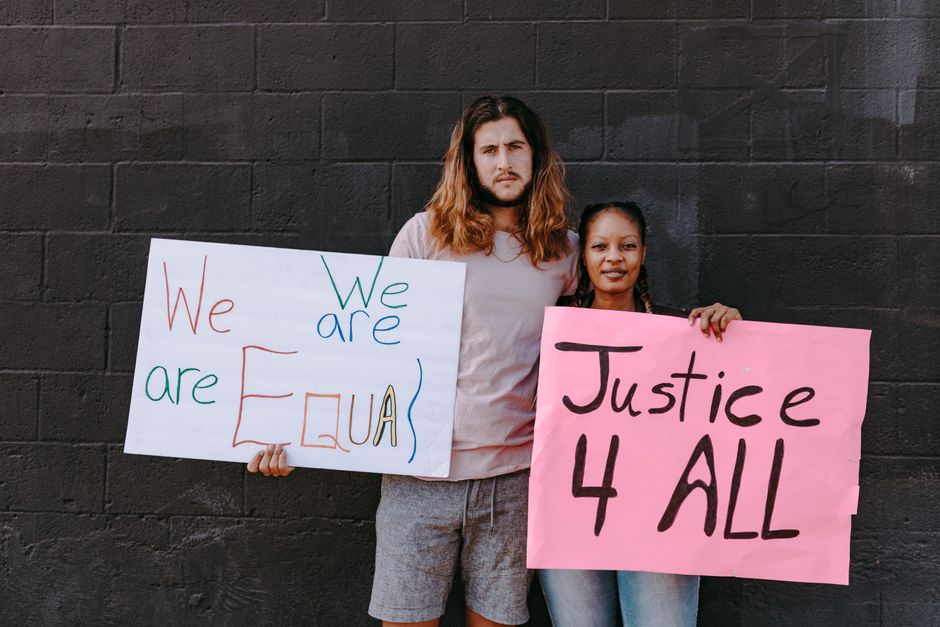
Table of Contents
- Understanding Unconscious Bias
- The Impact of Unconscious Bias on Leadership
- Strategies for Mitigating Unconscious Bias
- Building an Inclusive Leadership Culture
- Case Studies and Practical Applications
Understanding Unconscious Bias
The modern leader navigates a complex landscape, where strategic decisions, team dynamics, and organizational growth hinge on a deep understanding of human cognition. At the forefront of this understanding lies the concept of unconscious bias. Often operating beneath our conscious awareness, these mental shortcuts, while efficient for rapid processing, can subtly but powerfully influence our perceptions, judgments, and actions, particularly in leadership roles.
Defining Unconscious Bias and Its Cognitive Roots
Unconscious bias, also known as implicit bias, refers to the attitudes and stereotypes that affect our understanding, actions, and decisions in an unconscious manner. These biases are deeply ingrained cognitive shortcuts that our brains develop to process the vast amount of information we encounter daily. They stem from our personal experiences, cultural backgrounds, and the societal norms we absorb throughout our lives. Essentially, our brains are wired to categorize and make quick judgments to conserve energy and streamline decision-making. This evolutionary advantage, however, can lead to unintended consequences when applied to complex human interactions. To truly grasp the impact of these shortcuts, delving into Cracking the Code: How Cognitive Biases Hijack Your Leadership Decisions is essential for any aspiring or current leader.
The Nuance: Conscious vs. Unconscious Bias
It’s crucial to distinguish between conscious and unconscious bias. Conscious bias, or explicit bias, involves overt discrimination or prejudice that an individual is aware of holding. For instance, someone might consciously believe that a particular demographic is less capable of leadership. Unconscious bias, on the other hand, is much more insidious because it operates without our awareness. A leader might genuinely believe in equality and fairness, yet unconsciously favor candidates who remind them of themselves (affinity bias) or interpret the same behavior differently based on gender or race (attribution bias). This lack of awareness is what makes unconscious bias so challenging to address, underscoring the need for dedicated Unconscious Bias Training for Leaders.
Common Categories of Unconscious Bias
Understanding the various manifestations of unconscious bias is the first step towards mitigating them. Some of the most prevalent categories include:
- Affinity Bias: The tendency to favor people who are similar to us. This can manifest in hiring decisions, team assignments, or mentorship opportunities, leading to a lack of diversity.
- Confirmation Bias: The tendency to search for, interpret, favor, and recall information in a way that confirms or supports one’s prior beliefs or values. This can lead leaders to overlook contradictory evidence or dismiss valid concerns.
- Attribution Bias: The tendency to attribute behavior to internal characteristics rather than external circumstances. For example, a leader might attribute an employee’s poor performance to laziness (internal) rather than a difficult project or personal stress (external).
- Halo Effect: When an initial positive impression of a person, company, or product influences our judgment of their other traits or characteristics.
- Horns Effect: The opposite of the halo effect, where an initial negative impression can overshadow positive qualities.
- Anchoring Bias: The tendency to rely too heavily on the first piece of information offered (the "anchor") when making decisions.
- Stereotyping: Assuming that certain characteristics are universal to all members of a group. This is a fundamental building block of many unconscious biases and can significantly impact how leaders perceive individuals within their teams, particularly impacting groups like women in leadership roles, as highlighted in discussions around Women Leadership Development Programs.
- Recognize that unconscious biases are a normal part of human cognition.
- Identify common categories of unconscious bias that can affect leadership decisions.
- Understand the difference between conscious and unconscious bias.
- Acknowledge that unconscious biases can be mitigated with awareness and intentional strategies.
- Commit to ongoing learning and self-reflection regarding personal biases.
How Biases Are Formed and Reinforced
The formation of unconscious biases is a continuous process, deeply influenced by our environment. From childhood, we are exposed to media portrayals, societal expectations, and the attitudes of those around us. These experiences shape our implicit associations. For instance, historical underrepresentation of women in certain fields, such as STEM, can lead to unconscious associations of those fields with men, impacting opportunities for women even when overt discrimination is absent. Research from institutions like Harvard University’s Project Implicit has provided extensive evidence of these ingrained societal biases. This means that even well-intentioned leaders, without active effort, can perpetuate these cycles. The constant reinforcement of these stereotypes, through both direct and indirect means, makes them incredibly persistent. Addressing these deeply rooted influences requires a proactive approach, making resources like Unconscious Bias Mitigation: Essential Strategies for Today’s Leaders invaluable.
The Impact of Unconscious Bias on Leadership
Unconscious biases are the hidden architects of our decisions, often operating at a speed and depth that bypass our conscious reasoning. As leaders, this inherent human trait can subtly, yet profoundly, warp our judgment, leading to outcomes that undermine both individual potential and organizational success. The impact of these biases is far-reaching, touching every facet of leadership and team management.
At the forefront, decision-making processes are particularly vulnerable. In hiring, affinity bias might lead a leader to favor candidates who share similar backgrounds or personality traits, overlooking more qualified individuals who present differently. Similarly, during promotions, the halo or horns effect can cause a leader to unduly influence perceptions based on a single positive or negative attribute. Performance reviews are not immune; confirmation bias can lead managers to seek out evidence that supports pre-existing beliefs about an employee, rather than a balanced assessment of their contributions. This is a core challenge addressed in programs like Unconscious Bias Training for Managers and Unconscious Bias Training for Leaders. Ultimately, these cognitive shortcuts can derail objective evaluations and hinder meritocratic advancement, as explored in articles like Cracking the Code: How Cognitive Biases Hijack Your Leadership Decisions.
Beyond individual decisions, bias significantly shapes team dynamics and collaboration. When leaders exhibit favoritism or consistently overlook contributions from certain groups, it breeds resentment and erodes trust. This can manifest as microaggressions, a lack of psychological safety, and an unwillingness to engage fully. Teams become less cohesive, innovation stagnates, and the potential for diverse perspectives to enrich problem-solving is squandered. A healthy team environment, crucial for any form of leadership, depends on a leader’s ability to foster inclusivity, something that can be significantly hampered by unchecked bias. Discussions around Team Dynamics in Leadership often highlight the detrimental effects of unfair treatment stemming from unconscious biases.
The downstream consequences for employee engagement, morale, and retention are stark. When individuals feel undervalued, overlooked, or unfairly treated due to biases, their motivation wanes. This can lead to decreased productivity, higher absenteeism, and a greater propensity to seek opportunities elsewhere. For underrepresented groups, this experience can be particularly demoralizing, contributing to the persistent talent drain often seen in fields like technology and STEM. For instance, the challenges faced by women in leadership roles, particularly in sectors like tech and STEM, are exacerbated by unconscious bias, making programs like Women Leadership Development Programs, Women in Tech Leadership: Overcoming Barriers and Driving Innovation, and Women in STEM Leadership: Shattering Ceilings and Driving Innovation critically important. High turnover rates not only represent a loss of valuable talent but also incur significant costs associated with recruitment and onboarding, impacting the bottom line.
| Consequence | Impact on Leadership and Organization |
|---|---|
| Hiring & Promotions | Missed talent, underrepresentation, lack of diverse skillsets, potential legal issues. |
| Performance Management | Demotivation, disengagement, unfair evaluations, lack of development opportunities for some. |
| Team Cohesion | Erosion of trust, conflict, reduced collaboration, stifled innovation, psychological unsafety. |
| Employee Morale & Retention | Disengagement, decreased productivity, increased turnover, reputational damage, talent loss. |
Ultimately, the pervasive influence of unconscious bias is a significant barrier to achieving true diversity, equity, and inclusion within organizations. It creates an uneven playing field, preventing talented individuals from reaching their full potential and contributing their unique perspectives. This perpetuates existing inequalities, limiting the richness and breadth of leadership perspectives and hindering the organization’s ability to adapt to a complex and diverse world. Addressing these biases is not just an ethical imperative; it’s a strategic necessity for sustainable success. Implementing robust Unconscious Bias Mitigation: Essential Strategies for Today’s Leaders is therefore a cornerstone of effective leadership development.
Strategies for Mitigating Unconscious Bias
Recognizing the pervasive nature of unconscious bias is the first crucial step, but it’s the active implementation of mitigation strategies that truly transforms leadership. Moving beyond awareness to actionable steps is where genuine progress lies, ensuring fairness and unlocking the full potential of your teams.
Implementing Structured Decision-Making Processes One of the most effective ways to combat bias is to move away from purely intuitive decision-making. By introducing structured processes, we create a framework that relies on objective data and pre-defined steps, rather than gut feelings that can be inadvertently influenced by unconscious leanings. This involves clearly outlining the criteria for decisions, the information required, and the steps for evaluation. For example, when evaluating candidates for a promotion, a structured process might include a standardized interview guide, a scoring rubric based on competencies, and a review by a diverse committee. This approach helps to ensure that all candidates are assessed on the same playing field, minimizing the impact of personal preferences or stereotypes. This is a core component of Unconscious Bias Mitigation: Essential Strategies for Today’s Leaders.
Diversifying Interview Panels and Feedback Groups Our own perspectives are naturally limited. By assembling diverse interview panels and feedback groups, leaders can gain a richer, more multifaceted understanding of individuals and situations. A panel composed of people from different backgrounds, departments, and levels within the organization brings a wider range of experiences and viewpoints to the table. This can help to challenge assumptions and uncover blind spots that an individual interviewer or feedback provider might miss. For instance, when considering candidates for leadership roles, a panel that reflects the diversity of the workforce can better assess who will resonate with and effectively lead various employee groups. This is particularly relevant for initiatives like Women Leadership Development Programs and can also be seen in the specific challenges addressed in Women in Tech Leadership: Overcoming Barriers and Driving Innovation.
Establishing Clear, Objective Criteria for Performance and Advancement Vague or subjective criteria for performance reviews and promotions are breeding grounds for bias. Instead, organizations must establish clear, measurable, and objective standards that are communicated transparently to all employees. This means defining what success looks like in specific roles and outlining the competencies and achievements that lead to advancement. When performance is evaluated against these predefined benchmarks, the focus shifts from personal impressions to demonstrable results. This not only promotes fairness but also empowers employees by giving them a clear roadmap for their career progression. This principle underpins effective Talent Acquisition Strategy for Leadership Roles: Hire for Impact, Not Just Experience.
Promoting Mindfulness and Conscious Awareness of Potential Biases While systemic changes are vital, individual awareness is equally critical. Leaders must cultivate mindfulness and actively encourage a culture of conscious awareness regarding potential biases. This involves regularly reflecting on one’s own thoughts, assumptions, and decisions. Techniques such as journaling, seeking feedback, and engaging in reflective practices can help leaders identify when their biases might be influencing their judgment. Investing in comprehensive Unconscious Bias Training for Leaders is a proactive step in fostering this awareness, equipping individuals with the tools to recognize and counteract their own cognitive shortcuts. A deeper dive into the mechanisms behind these shortcuts can be found in articles discussing Cracking the Code: How Cognitive Biases Hijack Your Leadership Decisions.
Utilizing Bias Interruption Techniques Beyond awareness, leaders can actively employ bias interruption techniques to disrupt the automatic and often biased responses that our brains are prone to. These techniques are designed to pause the decision-making process and introduce a moment of critical evaluation. For example, when faced with a decision, a leader might consciously ask themselves: "Am I making this judgment based on objective facts or a preconceived notion?" Another technique involves deliberately seeking out dissenting opinions or information that challenges one’s initial assumptions. This proactive approach can significantly reduce the likelihood of biased decisions influencing outcomes, from hiring to project assignments. This is an essential element for any leader aiming to achieve true impartiality and effectiveness.
FAQ: How can I effectively measure the impact of bias mitigation strategies?
Measuring the impact of bias mitigation strategies requires a multi-faceted approach. Key metrics include tracking diversity representation at all levels of the organization, particularly in leadership roles. Analyze promotion rates and retention data across different demographic groups. Employee engagement surveys can also provide valuable insights, specifically asking questions related to fairness, inclusion, and perceived bias. Look for trends in performance review data to see if subjective language is decreasing and objective assessments are increasing. Ultimately, a consistent upward trend in diversity metrics and positive feedback on fairness indicates successful mitigation.
FAQ: What is the role of leadership in championing bias mitigation?
Leadership plays a pivotal role in championing bias mitigation. It starts with setting the tone from the top. Leaders must visibly and vocally support initiatives aimed at reducing unconscious bias. This includes actively participating in training, holding themselves and their teams accountable, and integrating bias mitigation into the organization’s core values and strategic objectives. Leaders also have the responsibility to allocate resources for training and the implementation of structured processes. Their commitment signals to the entire organization that this is a priority, fostering a culture where bias is challenged and fairness is paramount. An example of a leader who evolved their approach, and likely grappled with these issues, can be explored in discussions about What Specific Events Marked The Shift In Gates’ Leadership Style.
Building an Inclusive Leadership Culture
Building an inclusive leadership culture is not a passive endeavor; it’s an active, ongoing commitment that starts at the top. Leaders are the primary architects of this environment, and their role in championing diversity, equity, and inclusion (DEI) is paramount. This means not just stating the importance of DEI, but consistently demonstrating it through actions, policies, and communication. It involves actively seeking out diverse viewpoints and ensuring that all voices are not only heard but valued.
A cornerstone of this inclusive culture is psychological safety. When team members feel psychologically safe, they are more likely to express their authentic thoughts, challenge the status quo, and offer innovative solutions without fear of reprisal. Leaders foster this by demonstrating vulnerability, admitting mistakes, and creating an atmosphere where constructive dissent is welcomed. This directly combats the tendency for unconscious bias to silence minority perspectives, as detailed in discussions around The Quiet Catalyst: Ambient Leadership for Unleashing Innovation in Distributed Introverted Engineers.
Fostering empathy and understanding among team members is another critical element. Leaders can achieve this through structured activities that encourage perspective-taking, such as empathy mapping or diverse case study analyses. By understanding the unique experiences and challenges of their colleagues, individuals can begin to dismantle their own biases and build stronger, more collaborative relationships. This is a continuous journey, much like the shifts in leadership styles observed in influential figures.
To solidify this inclusive culture, leaders must set clear expectations for unbiased behavior and establish robust accountability mechanisms. This includes defining what constitutes inclusive conduct and what does not. When unintentional biases do surface, leaders need to address them constructively, framing them as learning opportunities rather than personal failings. This aligns with the principles of Unconscious Bias Mitigation: Essential Strategies for Today’s Leaders, which emphasizes proactive and reactive strategies.
The table below outlines key actions leaders can take to embed DEI into their daily practices:
| Action Area | Leadership Behaviors | Impact on Inclusion |
|---|---|---|
| Communication | Actively solicit diverse opinions, practice active listening, provide feedback equitably. | Ensures all voices contribute to decision-making, reduces the risk of Cracking the Code: How Cognitive Biases Hijack Your Leadership Decisions. |
| Team Building | Facilitate inclusive team-building activities, encourage cross-functional collaboration. | Strengthens interpersonal relationships, builds trust and understanding across different backgrounds. |
| Development | Champion equitable opportunities for growth, support Women Leadership Development Programs and other targeted initiatives. | Promotes career advancement for underrepresented groups, diversifies leadership pipelines. |
| Accountability | Address microaggressions swiftly, incorporate DEI metrics into performance reviews. | Reinforces commitment to an inclusive environment, signals that bias is not tolerated. |
Finally, ongoing training and development on unconscious bias for all leaders are non-negotiable. This isn’t a one-off workshop but a continuous learning process. Resources like Unconscious Bias Training for Leaders and Unconscious Bias Training for Managers provide essential tools and frameworks for self-awareness and skill-building. By investing in this continuous education, leaders equip themselves and their teams to proactively identify and mitigate biases, ultimately cultivating a truly inclusive leadership culture where everyone thrives. This commitment to learning and growth is also a hallmark of Authentic Leadership.
Case Studies and Practical Applications
The theoretical understanding of unconscious bias is vital, but its real-world impact and the effectiveness of mitigation strategies become most apparent through concrete examples. Many organizations have begun to grapple with this complex issue, with varying degrees of success.
Organizations Leading the Charge:
Several forward-thinking companies have made significant strides in addressing unconscious bias within their leadership ranks. For instance, tech giants like Microsoft have invested heavily in comprehensive Unconscious Bias Training for Leaders, aiming to equip their leaders with the awareness and tools to identify and counter biased decision-making, particularly in areas like hiring and promotion. Similarly, Accenture has implemented structured approaches to diversity and inclusion, which inherently tackle unconscious bias. Their efforts have focused on creating more equitable processes for talent acquisition and performance management, recognizing that unbiased leadership is crucial for fostering an inclusive culture.
Real-World Scenarios and Mitigation in Action:
Consider a scenario where a hiring manager consistently overlooks strong female candidates for technical leadership roles, unconsciously favoring men due to the pervasive stereotype that men are inherently more suited for such positions. This is a classic example of affinity bias and gender stereotyping. To combat this, a robust mitigation strategy would involve:
- Structured Interview Processes: Implementing standardized interview questions and scoring rubrics that focus solely on objective qualifications and competencies, thereby reducing the influence of subjective impressions. This aligns with best practices in Talent Acquisition Strategy for Leadership Roles: Hire for Impact, Not Just Experience.
- Diverse Interview Panels: Ensuring interview panels are diverse in terms of gender, ethnicity, and background can introduce a wider range of perspectives and challenge individual biases.
- Blind Resume Reviews: Removing identifying information from resumes during the initial screening phase can prevent biases related to age, gender, or ethnicity from influencing candidate selection.
- Focus on Skills-Based Assessments: Incorporating practical skills assessments or work sample tests that directly measure a candidate’s ability to perform the job, rather than relying on perceived potential.
Another powerful example comes from the realm of Women Leadership Development Programs. Companies actively supporting these programs often see leaders becoming more aware of the subtle biases that can hinder women’s advancement. This awareness then translates into more equitable sponsorship and mentorship opportunities, and a more critical examination of performance reviews that might be unconsciously biased. For instance, a leader who is aware of confirmation bias might actively seek out evidence that contradicts their initial assumptions about an employee’s potential, leading to more objective career development discussions.
Lessons Learned from Leadership Failures:
The absence of a proactive approach to unconscious bias can have detrimental consequences. We’ve seen instances where leaders, blinded by their own assumptions, have made poor hiring decisions, missed out on valuable talent, and fostered environments of exclusion. For example, a company that consistently overlooks candidates from underrepresented groups for critical projects may find its innovation stifled. This can be linked to what is sometimes referred to as the "lack of diversity of thought" resulting from a lack of diverse experiences at the leadership table, a problem exacerbated by unaddressed bias. Cracking the Code: How Cognitive Biases Hijack Your Leadership Decisions offers a deep dive into these cognitive pitfalls.
A particularly poignant lesson can be learned from industries like tech, where the underrepresentation of women in leadership roles, especially in areas like Women in Tech Leadership: Overcoming Barriers and Driving Innovation and Women in STEM Leadership: Shattering Ceilings and Driving Innovation, highlights the long-term cost of biased practices. When leaders fail to recognize and address the implicit biases that contribute to this disparity, they not only miss out on a vast pool of talent but also create a less innovative and adaptable organization. The failure to foster diverse leadership can lead to a narrow perspective on market opportunities and a disconnect with a broader customer base. Ultimately, organizations that prioritize Unconscious Bias Mitigation: Essential Strategies for Today’s Leaders are better positioned for sustainable success, fostering environments where all talent can thrive and contribute to their fullest potential.
Featured image by RDNE Stock project on Pexels