AI-Powered Leadership Skills Development
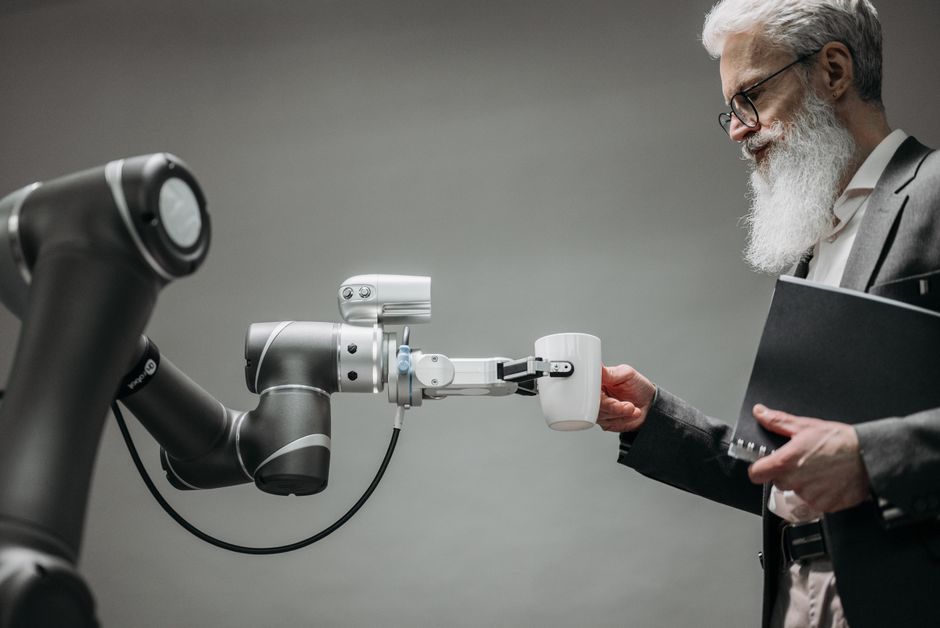
Table of Contents
- Understanding AI’s Evolving Role in Leadership Development
- Core AI Applications for Developing Essential Leadership Competencies
- Data-Driven Insights: How AI Measures and Improves Leadership Effectiveness
- Implementing AI in Your Leadership Development Strategy
- The Future of AI in Shaping Tomorrow’s Leaders
Understanding AI’s Evolving Role in Leadership Development
The landscape of leadership is in constant flux, and at the forefront of this evolution is Artificial Intelligence (AI). Gone are the days when leadership development was solely confined to chalkboards and case studies. Today, AI is not just a buzzword; it’s a transformative force reshaping how we identify, cultivate, and enhance leadership capabilities. But what exactly do we mean by AI in this context? At its core, AI refers to systems capable of performing tasks that typically require human intelligence, such as learning, problem-solving, and decision-making. In professional growth, current applications range from intelligent tutoring systems that adapt to individual learning paces to sophisticated analytics platforms that identify skill gaps and recommend personalized development pathways. This marks a significant shift from traditional leadership training to AI-enhanced models that offer unprecedented levels of precision and efficiency.
The integration of AI into leadership skill-building offers a compelling array of advantages. One of the most significant is personalization. Unlike one-size-fits-all workshops, AI can analyze an individual’s performance, learning style, and career aspirations to curate bespoke development plans. This ensures that learning is relevant, engaging, and directly addresses the leader’s unique needs, whether they’re focusing on Developing Decisive Leadership Skills or honing their Leadership Presentation Skills.
Furthermore, AI offers remarkable scalability. Imagine deploying a sophisticated coaching program to thousands of leaders simultaneously, with each receiving tailored feedback and guidance. This is now a reality, democratizing access to high-quality development and ensuring consistency across organizations. This scalability is particularly crucial for organizations looking to foster Digital Leadership Skills Development at scale, a critical competency in today’s rapidly digitizing world.
Perhaps the most profound benefit lies in the data-driven insights AI provides. By analyzing vast datasets from performance reviews, 360-degree feedback, and even communication patterns, AI can uncover hidden strengths and blind spots that might otherwise go unnoticed. This empowers leaders and their organizations to make informed decisions about development initiatives, leading to more effective interventions and measurable ROI. For instance, AI can help identify leaders with strong potential for Visionary Leadership Development or pinpoint areas where Remote Leadership Skills need bolstering. This data-driven approach is foundational to AI-Powered Leadership Development: Your Edge in the Modern Business Arena.
Case Study: NexGen Corp’s Leadership Acceleration Program
NexGen Corp, a rapidly growing tech firm, faced challenges in scaling its leadership development initiatives to keep pace with its expansion. They implemented an AI-powered platform that analyzed employee performance data and learning preferences to identify high-potential individuals and curate personalized development modules. The system identified emerging leaders in areas like fostering team cohesion and improving meeting facilitation, offering them targeted training in Leadership Development for Team Cohesion and Leadership Skills for Meeting Facilitation. The program resulted in a 25% increase in internal promotions and a significant improvement in employee engagement scores related to leadership effectiveness. This initiative underscores the power of AI-Powered Leadership Development Programs in driving tangible business outcomes.
The application of AI extends to specialized areas as well. For example, AI can be instrumental in supporting Women’s Leadership Skills Development, identifying unique challenges and tailoring programs to address them, complementing broader discussions on Women Leadership: Progress, Barriers & Development. Similarly, AI can enhance Tech Leadership for AI-Powered Performance Analytics: Your Blueprint for Success by providing predictive insights into team performance and resource allocation. The underlying principle is consistent: AI augments human judgment and capability, leading to more effective and impactful leadership. This evolution signifies a move towards a future where leadership is not just learned but intelligently cultivated.
Core AI Applications for Developing Essential Leadership Competencies
The modern business landscape demands leaders who are adaptable, insightful, and possess a finely tuned set of skills. Fortunately, the rise of artificial intelligence presents unprecedented opportunities for developing these critical competencies. AI-Powered Leadership Development: Your Edge in the Modern Business Arena isn’t just a buzzword; it’s a tangible strategy for elevating leadership capabilities.
AI-Powered Personalized Learning Paths for Strategic Thinking and Decision-Making
One of the most profound applications of AI in leadership development lies in its ability to craft hyper-personalized learning journeys. AI algorithms can analyze an individual’s current skill set, learning style, and career aspirations to curate specific modules and resources. For strategic thinking and decision-making, this means moving beyond generic case studies. AI can present complex, simulated scenarios, adjust their difficulty in real-time based on the leader’s responses, and provide immediate, data-driven feedback. This adaptive approach ensures that leaders are challenged precisely where they need to grow, fostering a deeper understanding of strategic frameworks and honing their ability to make sound, impactful decisions. This is particularly relevant for Developing Decisive Leadership Skills by providing a safe space to practice under pressure.
Using AI for Communication Skills Enhancement
Effective communication is the bedrock of successful leadership. AI is revolutionizing how leaders refine this vital skill. Through sophisticated natural language processing (NLP), AI tools can analyze written and spoken communication, identifying patterns in tone, clarity, conciseness, and even potential biases. This is invaluable for providing targeted feedback on everything from email drafts to presentations. Furthermore, AI-powered virtual coaches can simulate public speaking scenarios, offering real-time feedback on pacing, vocal inflection, and body language (when video is involved). This allows leaders to practice Leadership Presentation Skills in a low-stakes environment, building confidence and polish. For leaders navigating the complexities of hybrid or fully remote teams, AI can also provide insights into optimizing communication strategies for Remote Leadership Skills.
Developing Emotional Intelligence (EQ) Through AI-Driven Simulations and Sentiment Analysis
Emotional intelligence is increasingly recognized as a critical differentiator for effective leaders. AI is providing innovative ways to cultivate this nuanced skill. AI-driven simulations can place leaders in emotionally charged interpersonal situations, allowing them to practice empathy, active listening, and conflict resolution. By analyzing the leader’s responses and the simulated characters’ reactions, AI can offer feedback on their emotional awareness and effectiveness. Sentiment analysis tools can also be applied to feedback collected from team members, providing leaders with an objective view of how their actions and communication impact others’ emotions and morale. This data can be instrumental in developing a more nuanced understanding of What is Executive Presence? Boost Your Leadership Skills.
FAQ: How does AI help in understanding team sentiment?
AI employs Natural Language Processing (NLP) to analyze text-based communications (emails, chat messages, survey responses) and sometimes even vocal cues in recordings. It can detect keywords, tone, and contextual nuances to gauge overall sentiment (positive, negative, neutral) and identify specific areas of concern or praise within a team. This provides leaders with actionable insights into team morale and engagement, which is crucial for Leadership Development for Team Cohesion.
Leveraging AI for Fostering Innovation and Creativity
Innovation is the lifeblood of any forward-thinking organization. AI can act as a powerful catalyst for fostering creativity and innovation among leaders. AI-powered idea generation platforms can analyze vast datasets to identify trends, emerging opportunities, and potential disruptive forces, presenting these insights to leaders to spark new strategic directions. Furthermore, AI can facilitate brainstorming sessions by suggesting novel connections between disparate ideas or by acting as a digital sparring partner to challenge assumptions and explore "what if" scenarios. This can be particularly impactful for Visionary Leadership Development, encouraging leaders to think beyond the immediate.
AI Tools for Improving Team Management and Delegation Skills
Efficient team management and effective delegation are hallmarks of strong leadership. AI is offering new tools to streamline these processes. AI can analyze team member strengths, workload, and availability to suggest optimal task delegation, ensuring that projects are distributed effectively and efficiently. Predictive analytics can also help leaders anticipate potential bottlenecks or resource shortages within a team, allowing for proactive intervention. For leaders in specialized fields, this extends to areas like Sales Leadership Development Programs: Your Guide and Marketing Leadership Skills Training. As organizations increasingly adopt digital strategies, AI becomes indispensable for Digital Leadership Skills Development and cultivating Tech Leadership for AI-Powered Performance Analytics: Your Blueprint for Success. For leaders managing complex initiatives, AI can significantly enhance Developing Project Manager Leadership Skills. The integration of AI into these core management functions underscores the broader trend of AI-Powered Leadership Development Programs.
FAQ: Can AI truly replace human intuition in leadership development?
AI is a powerful tool for augmenting, not replacing, human intuition in leadership development. It excels at data analysis, pattern recognition, and providing objective feedback. However, the nuanced understanding of human emotions, ethical considerations, and the ability to inspire and build rapport still firmly rest with human leaders. AI can identify areas for improvement and provide practice opportunities, but the ultimate application of wisdom and empathy remains a human endeavor. Think of it as a sophisticated assistant that provides data and scenarios, empowering leaders to make more informed and effective decisions.
The strategic adoption of AI in leadership development is not just about staying current; it’s about proactively equipping leaders with the skills and insights needed to thrive in an ever-evolving global marketplace. This journey of continuous improvement is fundamental to Leadership Development Through Lifelong Learning and is crucial across all sectors, from Public Service Leadership Development: Cultivating Effective Leaders for Impact to Non-Profit Executive Leadership Skills. It’s also vital for ensuring equitable representation, as AI can help address some of the historical barriers faced by Women Leadership: Progress, Barriers & Development and enhance Women’s Leadership Skills Development.
Data-Driven Insights: How AI Measures and Improves Leadership Effectiveness
In today’s rapidly evolving business landscape, relying on gut feeling for leadership development is no longer sufficient. Artificial Intelligence (AI) is revolutionizing how we measure and enhance leadership effectiveness, transforming it from an art into a science. AI’s ability to process vast amounts of data offers unprecedented insights into individual and team performance, paving the way for more targeted and impactful development strategies. This analytical power is a cornerstone of modern leadership, especially in fields like Tech Leadership for AI-Powered Performance Analytics: Your Blueprint for Success.
AI’s Role in Performance Tracking and Identifying Leadership Gaps
AI excels at objective performance tracking, moving beyond subjective manager reviews. By analyzing data from various sources – such as project completion rates, team feedback platforms, communication patterns (anonymized and ethically sourced, of course), and even sales metrics – AI can identify consistent behaviors and outcomes associated with effective leadership. This allows organizations to pinpoint not just who is performing well, but why. Conversely, it can highlight areas where leaders might be struggling, whether it’s in fostering team cohesion (Leadership Development for Team Cohesion), driving innovation, or executing strategy. This granular level of insight is invaluable for creating personalized development plans. For instance, AI can identify patterns that might be hindering the advancement of underrepresented groups, informing targeted Women’s Leadership Skills Development initiatives and addressing barriers highlighted in discussions around Women Leadership: Progress, Barriers & Development.
Predictive Analytics for Leadership Potential and Succession Planning
Beyond current performance, AI offers powerful predictive capabilities. By analyzing historical data on career progression, skill development, and success factors, AI can identify individuals with high leadership potential. This foresight is crucial for robust succession planning, ensuring a pipeline of ready talent for critical roles. Imagine identifying future visionary leaders (Visionary Leadership Development) or those poised to excel in Digital Leadership Skills Development before they even reach their full potential. This proactive approach can prevent leadership gaps and ensure business continuity.
Utilizing AI to Provide Real-Time, Actionable Feedback to Leaders
One of the most transformative applications of AI in leadership development is its ability to deliver immediate, context-aware feedback. AI-powered platforms can monitor interactions, meeting dynamics, and even communication styles to offer suggestions in real-time. For example, an AI coach could prompt a leader to solicit more input from quieter team members during a brainstorming session, or suggest ways to improve their Leadership Skills for Meeting Facilitation. This is akin to having a personal development advisor available 24/7, accelerating the learning curve. This immediate feedback loop is vital for developing crucial skills like What is Executive Presence? Boost Your Leadership Skills and Leadership Presentation Skills.
FAQ: How does AI ensure feedback is constructive and not perceived as surveillance?
This is a critical consideration. Ethical AI design prioritizes data privacy and anonymization wherever possible. Feedback is typically aggregated and presented in a way that focuses on observable behaviors and their impact, rather than scrutinizing individuals. Transparency about data usage and the purpose of AI tools is paramount. Leaders should understand that the goal is development, not judgment. Many AI platforms are designed to provide insights to coaches or HR, who then use this information to guide conversations with leaders, rather than directly confronting them with raw data.
Measuring ROI of AI-Powered Leadership Development Programs
A significant advantage of AI in leadership development is its ability to provide quantifiable data on program effectiveness. By tracking key performance indicators (KPIs) before and after participation in AI-driven development programs, organizations can accurately measure the return on investment (ROI). This includes improvements in team performance, employee engagement, retention rates, and the successful achievement of strategic objectives. This data allows for continuous refinement of AI-Powered Leadership Development Programs, ensuring they deliver tangible business value. This focus on measurable outcomes is what makes AI-Powered Leadership Development: Your Edge in the Modern Business Arena so compelling.
FAQ: Can AI be used to develop leadership skills in niche sectors like non-profits or public service?
Absolutely. While the specific metrics might differ, the principles of AI-driven data analysis and feedback remain applicable across diverse sectors. For instance, in Public Service Leadership Development: Cultivating Effective Leaders for Impact, AI could analyze public feedback, project outcomes, and resource allocation efficiency to identify areas for leader development. Similarly, for Non-Profit Executive Leadership Skills and Non-profit board leadership development, AI could help optimize donor engagement strategies or program impact reporting, feeding insights back to leaders. The adaptability of AI allows for tailored solutions that address the unique challenges and goals of each industry.
The integration of AI into leadership development signifies a profound shift towards more strategic, data-informed, and effective talent management. By leveraging AI’s analytical and predictive capabilities, organizations can cultivate a generation of leaders who are not only skilled but also continuously evolving.
Implementing AI in Your Leadership Development Strategy
Integrating AI into your leadership development strategy isn’t just a trend; it’s a strategic imperative for organizations aiming to stay ahead in today’s dynamic business landscape. This shift demands a thoughtful, phased approach.
Assessing Organizational Needs and Readiness for AI Integration
Before diving headfirst into AI solutions, a thorough assessment of your organization’s current state is paramount. This involves identifying specific leadership gaps and pain points that AI can effectively address. Are your leaders struggling with Remote Leadership Skills? Do you need to bolster Digital Leadership Skills Development? Beyond identifying needs, gauge your organization’s readiness. This includes evaluating your existing technological infrastructure, the digital fluency of your workforce, and the receptiveness of your leadership team to new learning modalities. A robust Leadership Development in Talent Acquisition Strategy can help identify high-potential individuals who will benefit most from AI-driven development.
Selecting the Right AI Tools and Platforms for Leadership Training
The market offers a burgeoning array of AI-powered tools, from personalized learning platforms and intelligent coaching bots to sophisticated analytics for identifying leadership competencies. The key is to select solutions that align directly with your identified needs. For instance, if the goal is to improve Visionary Leadership Development, AI tools that simulate complex decision-making scenarios or provide data-driven insights into future trends might be ideal. Similarly, for enhancing Sales Leadership Development Programs: Your Guide, AI can offer personalized coaching on negotiation tactics or market analysis. Remember, the aim is to augment, not replace, existing development efforts. Exploring AI-Powered Leadership Development Programs can provide a clear starting point.
Ethical Considerations and Data Privacy in AI-Driven Development
As AI becomes more integrated, so do the ethical considerations. Transparency regarding how data is collected, used, and protected is non-negotiable. Leaders being coached or assessed by AI must understand the process and feel confident that their data is secure. This is particularly crucial when addressing sensitive areas like Women Leadership: Progress, Barriers & Development or Women’s Leadership Skills Development. Organizations must establish clear policies that adhere to data privacy regulations like GDPR and CCPA, ensuring a safe and trustworthy environment for development.
Best Practices for Integrating AI with Human Coaches and Mentors
The true power of AI in leadership development lies in its synergy with human expertise. AI can provide individualized feedback, identify skill gaps with precision, and offer on-demand learning resources. Human coaches and mentors, on the other hand, bring empathy, nuanced understanding, and the ability to foster deeper connections. The best approach is often a blended one: AI handles the data-intensive tasks, freeing up human coaches to focus on higher-level guidance, behavioral change, and building crucial Executive Presence. For instance, AI can analyze communication patterns for Leadership Presentation Skills, providing feedback that a human coach can then build upon by focusing on delivery and impact.
Overcoming Common Challenges and Resistance to AI Adoption
Resistance to AI adoption is a natural hurdle. Employees may fear job displacement, perceive AI as impersonal, or distrust its capabilities. Effective change management is key. This involves clear communication about the benefits of AI-driven development – how it enhances Leadership Skill Development Through Learning, offers personalized growth paths, and ultimately helps individuals and the organization thrive. Pilot programs, involving key stakeholders in the selection and implementation process, and providing ample training can foster buy-in. Addressing concerns about the AI’s limitations and emphasizing its role as a supportive tool rather than a replacement for human interaction will pave the way for successful integration, ultimately providing AI-Powered Leadership Development: Your Edge in the Modern Business Arena.
To further illustrate the practical application of AI in development, consider a table outlining potential AI applications:
| Leadership Skill Area | AI Application | Benefit |
|---|---|---|
| Decision Making | AI-powered simulation platforms, predictive analytics | Enhanced strategic thinking, risk assessment, and Developing Decisive Leadership Skills |
| Communication | AI-driven feedback on written and spoken communication, sentiment analysis tools | Improved clarity, impact, and emotional intelligence in interactions |
| Emotional Intelligence | AI-powered empathy training modules, personalized behavioral feedback | Greater self-awareness and improved interpersonal relationships |
| Adaptability | AI-driven scenario planning, real-time trend analysis | Increased agility in navigating change and fostering Developing Change Leadership Skills |
| Performance Management | AI analytics for identifying performance trends, coaching recommendations | Data-informed insights for individual and team development, Tech Leadership for AI-Powered Performance Analytics: Your Blueprint for Success |
By thoughtfully addressing these points, organizations can successfully implement AI to create more effective, personalized, and future-ready leadership development programs, ensuring continuous growth and competitive advantage.
The Future of AI in Shaping Tomorrow’s Leaders
The landscape of leadership is undergoing a profound transformation, driven by the relentless march of artificial intelligence. We are no longer on the cusp of this revolution; we are immersed in it. Emerging AI technologies, such as generative AI and advanced Virtual Reality (VR) and Augmented Reality (AR), are not just tools but catalysts for a new era of leadership development. Generative AI, capable of creating content, simulating scenarios, and even offering personalized coaching, is democratizing access to sophisticated learning experiences. Imagine a future leader practicing complex negotiation scenarios with an AI counterpart, receiving immediate, nuanced feedback. VR/AR, on the other hand, offers immersive environments for skill practice, from public speaking simulations that hone Leadership Presentation Skills to virtual walkthroughs of critical incident management, crucial for Developing Crisis Leadership Skills.
The skillset required for leaders in this AI-augmented world is consequently evolving. While foundational leadership qualities remain paramount, the emphasis is shifting towards adaptability, critical thinking, and the ability to leverage AI as a strategic partner. Leaders must cultivate Digital Leadership Skills Development to navigate the complexities of data-driven decision-making and understand the ethical implications of AI implementation. Furthermore, the development of Executive Presence? Boost Your Leadership Skills will be amplified by AI’s ability to analyze communication patterns and provide insights for more impactful engagement. This journey necessitates a paradigm shift towards a continuous learning ecosystem, powered by AI. Instead of periodic training sessions, we are moving towards on-demand, personalized learning pathways that adapt to individual leader needs and organizational goals. This can be seen in the rise of AI-Powered Leadership Development Programs designed to foster Visionary Leadership Development and enhance Leadership Skill Development Through Learning.
At its core, the future of leadership is not about AI replacing humans, but about a symbiotic relationship. AI can excel at data analysis, pattern recognition, and providing objective insights, freeing up human leaders to focus on what they do best: emotional intelligence, strategic vision, ethical judgment, and fostering human connection. This partnership is essential for navigating the rapid pace of change, as highlighted by the need for Developing Change Leadership Skills and for effective Remote Leadership Skills. For leaders in diverse sectors, from Sales Leadership Development Programs: Your Guide to Public Service Leadership Development: Cultivating Effective Leaders for Impact and even Non-profit board leadership development, AI offers unprecedented opportunities to enhance efficiency and effectiveness. This integration represents the most significant evolution in AI-Powered Leadership Development: Your Edge in the Modern Business Arena.
- Embrace continuous learning through AI-driven personalized development platforms.
- Develop AI literacy to effectively leverage AI as a strategic partner.
- Focus on uniquely human skills: empathy, creativity, ethical reasoning, and strategic foresight.
- Explore VR/AR for immersive leadership simulation and skill practice.
- Understand and manage the ethical considerations of AI in leadership.
- Foster adaptability and resilience to navigate AI-driven disruptions.
The ongoing evolution of leadership development is not a singular path but a multifaceted journey. While AI accelerates advancements in core competencies, it also opens doors to specialized development, such as tailored programs for Women’s Leadership Skills Development and understanding the nuances of Women Leadership: Progress, Barriers & Development. Similarly, AI can provide advanced analytics for Tech Leadership for AI-Powered Performance Analytics: Your Blueprint for Success, and aid in developing Leadership Development for Team Cohesion. The future is a blend of human ingenuity amplified by AI’s computational power, creating a new breed of leaders ready to tackle tomorrow’s challenges.
Featured image by Pavel Danilyuk on Pexels