Strategic Leadership in Supply Chain Management
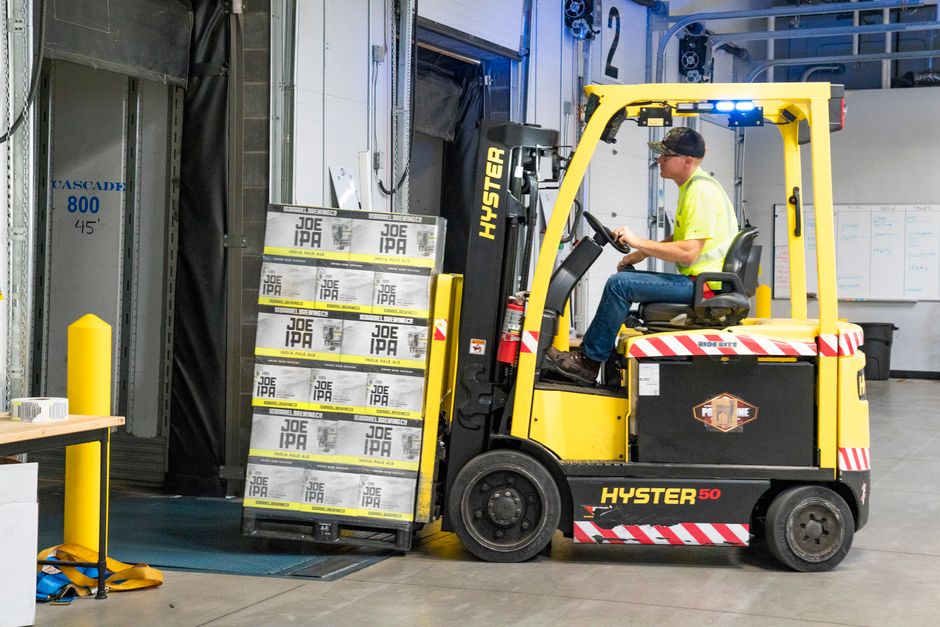
Table of Contents
- Understanding Strategic Leadership in the Supply Chain Context
- Developing a Strategic Vision for the Supply Chain
- Key Pillars of Strategic Supply Chain Management
- Strategic Decision-Making Frameworks for Supply Chains
- Fostering Collaboration and Partnerships
- Measuring and Evaluating Strategic Supply Chain Performance
- Overcoming Challenges in Strategic Supply Chain Leadership
- The Future of Strategic Supply Chain Leadership
Understanding Strategic Leadership in the Supply Chain Context
The modern supply chain is a complex, interconnected ecosystem, and navigating its intricacies demands more than just efficient operational management. It calls for strategic leadership in supply chain management, a distinct discipline focused on long-term vision, foresight, and the ability to orchestrate complex networks for sustained competitive advantage. At its core, strategic leadership is about understanding the "why" behind operational decisions, aligning them with overarching business objectives, and anticipating future trends and disruptions. This is fundamentally different from operational management, which primarily focuses on the "how" – the day-to-day execution of tasks, process optimization, and immediate problem-solving. While operational excellence is crucial, without strategic direction, even the most efficient supply chain can find itself outmaneuvered by market shifts or unforeseen challenges. This is explored in depth in resources like Leading Supply Chains for Operational Excellence: A Veteran’s Playbook.
The landscape of supply chains is in constant flux. Globalization, rapid technological advancements, geopolitical instability, and evolving consumer demands have created an environment where agility and foresight are paramount. Gone are the days when a linear, predictable supply chain was the norm. Today’s supply chains are dynamic, multi-layered, and subject to volatile disruptions. This necessitates a shift from reactive problem-solving to proactive, strategic planning and execution. As outlined in Supply Chain Management: The Ultimate Guide to Efficiency & Resilience, understanding these dynamics is key to building robust and adaptable networks. The imperative for strategic direction is evident; leaders must not only manage current operations but also shape the future trajectory of their supply chains.
| Key Differentiators: Strategic vs. Operational Leadership | |
|---|---|
| Strategic Leadership | Operational Management |
| Focuses on long-term vision and future trends. | Focuses on short-to-medium term execution and efficiency. |
| Deals with ambiguity and uncertainty, shaping the future. | Manages defined processes and predictable outcomes. |
| Drives innovation and competitive advantage. | Optimizes existing processes and resource utilization. |
| Builds strategic alliances and networks. | Manages day-to-day supplier and customer relationships. |
| Concerned with “what” and “why.” | Concerned with “how” and “when.” |
The characteristics of effective strategic supply chain leaders are multifaceted. Vision is paramount; they can articulate a clear, compelling picture of where the supply chain needs to go, aligning it with the broader organizational mission. This vision is underpinned by foresight, the ability to anticipate future challenges and opportunities, often by scanning the horizon for emerging technologies, market shifts, and potential disruptions. As highlighted in Visionary Leadership Development, this forward-looking perspective is a cornerstone of effective leadership. Furthermore, adaptability is crucial in today’s unpredictable environment. Strategic leaders must be able to pivot, adjust strategies, and guide their teams through change, a concept explored in Strategic Planning & Leadership for Change Initiatives. Finally, collaboration is non-negotiable. Modern supply chains are built on interconnectedness, and strategic leaders must foster strong relationships not only within their organizations but also with external partners, suppliers, and even competitors through initiatives like Strategic Alliances: Your Leadership Blueprint for Market Expansion. This collaborative spirit is also a vital component of Supply Chain Resilience Leadership: Navigate Disruption & Drive Growth. Mastering these attributes is essential for any leader aiming for true excellence in supply chain management, as detailed in Supply Chain Leadership Excellence: Your Blueprint for Operational Dominance.
Developing a Strategic Vision for the Supply Chain
In today’s rapidly evolving business landscape, a robust supply chain is no longer just an operational necessity; it’s a strategic imperative. Developing a clear, forward-thinking vision for your supply chain is paramount to achieving sustainable competitive advantage. This begins with a fundamental alignment of supply chain strategy with overarching business objectives. Ask yourself: What are the core goals of our organization? Are we aiming for market penetration, cost leadership, product innovation, or exceptional customer experience? Your supply chain strategy must be a direct enabler of these aims. This forms the bedrock of effective Leadership in Supply Chain Management.
Forecasting future market trends, customer demands, and competitive pressures is not a static exercise but an ongoing discipline. It requires a keen understanding of macro-economic shifts, emerging technologies, geopolitical influences, and subtle changes in consumer behavior. Leading organizations don’t just react to trends; they anticipate them. This foresight allows for proactive adjustments, mitigating risks and capitalizing on nascent opportunities. The ability to predict and adapt is a hallmark of Supply Chain Resilience Leadership: Navigate Disruption & Drive Growth.
Identifying long-term opportunities and potential disruptions is intrinsically linked to this forecasting. This means looking beyond the next quarter or fiscal year. Are there new geographic markets to explore? Can we leverage emerging technologies like AI or blockchain to enhance efficiency and visibility? Conversely, what are the potential chokepoints or vulnerabilities that could derail operations? This might include reliance on single suppliers, regulatory changes, or the impact of climate change. A comprehensive approach to this is detailed in Supply Chain Management: The Ultimate Guide to Efficiency & Resilience.
Case Study: Global Electronics Manufacturer’s Demand Volatility Response
A leading global electronics manufacturer faced significant challenges due to unpredictable demand spikes and dips, often exacerbated by unexpected component shortages. Their initial supply chain strategy was reactive, leading to stockouts and excess inventory. By investing in advanced analytics and fostering closer collaboration with key suppliers and customers, they developed a more agile and responsive supply chain. This involved creating scenario planning models to predict demand fluctuations and identify potential supply disruptions. They also implemented a flexible manufacturing approach, allowing them to ramp production up or down more efficiently. This shift not only reduced operational costs but also significantly improved customer satisfaction, demonstrating the power of a strategically aligned and adaptable supply chain.
Communicating this strategic vision effectively to all stakeholders is the final, crucial step. This isn’t a one-time announcement but an ongoing dialogue. Your vision needs to be translated into clear, actionable goals for every level of the organization, from warehouse floor to executive suite. This includes suppliers, logistics partners, and even end customers where appropriate. When everyone understands the "why" behind the strategy and how their role contributes to the larger picture, you foster a culture of shared purpose and accountability. This holistic approach is the essence of Supply Chain Leadership Excellence: Your Blueprint for Operational Dominance. A truly strategic vision is aspirational yet grounded, providing direction and purpose for every decision. For deeper insights into fostering such a culture, consider exploring resources on Visionary Leadership Development.
Key Pillars of Strategic Supply Chain Management
Strategic leadership in supply chain management is not a singular action but a symphony of interconnected disciplines. To truly excel, leaders must orchestrate five key pillars that form the bedrock of an efficient, resilient, and future-proof supply chain.
Network Design and Optimization
At its core, a robust supply chain starts with a well-designed network. This isn’t merely about where facilities are located; it’s a strategic imperative that balances competing demands: minimizing costs, maximizing service levels for customers, and ensuring resilience against unforeseen disruptions. Leading companies continuously analyze their network topology, leveraging advanced modeling and simulation tools to identify opportunities for consolidation, optimization, and the strategic placement of inventory and manufacturing capabilities. This often involves complex decisions about sourcing strategies, transportation modes, and inventory policies. The goal is to create a dynamic and responsive network that can adapt to changing market conditions and customer expectations. This pillar is intrinsically linked to the broader concept of Supply Chain Optimization Leadership: Strategies for a Resilient Future.
Technology and Innovation Adoption
In today’s fast-paced world, technology is no longer a mere enabler; it’s a critical driver of competitive advantage. Strategic leaders must champion the adoption of digital tools that provide unprecedented visibility across the entire supply chain. From AI-powered demand forecasting and predictive analytics to IoT sensors for real-time tracking and blockchain for enhanced traceability, these technologies empower organizations to move with greater agility. Embracing innovation also means fostering a culture where new ideas are encouraged and explored, leading to continuous improvement and a proactive approach to operational challenges. However, it’s crucial to manage the integration of these technologies effectively, paying attention to aspects like Technical Debt Management for Leaders: A Strategic Imperative, to ensure long-term sustainability and avoid creating new vulnerabilities.
Risk Management and Resilience Building
The past few years have underscored the critical importance of supply chain resilience. Strategic leaders must shift from a reactive to a proactive stance on risk management. This involves identifying potential vulnerabilities, from geopolitical instability and natural disasters to supplier financial distress and cybersecurity threats, and developing robust mitigation strategies. Building resilience is an ongoing process that requires diversifying suppliers, establishing contingency plans, and investing in technologies that enhance visibility and enable rapid response to disruptions. A comprehensive approach to resilience is a hallmark of effective Supply Chain Resilience Leadership: Navigate Disruption & Drive Growth. Organizations that prioritize resilience are better equipped to weather storms and emerge stronger.
Talent Management and Development
The most sophisticated strategy and technology are rendered ineffective without a skilled and motivated workforce. Strategic leaders understand that their people are their greatest asset. This pillar focuses on attracting, developing, and retaining top talent within the supply chain function. It involves creating clear career paths, investing in continuous learning and development programs, and fostering a culture that values collaboration, adaptability, and problem-solving. Empowering and developing teams is central to Leading Supply Chain Teams and ensuring operational excellence. Leaders must also champion diversity and inclusion, recognizing that varied perspectives drive innovation and better decision-making.
Sustainability and Ethical Practices
In an era of increasing environmental and social awareness, integrating sustainability and ethical practices into supply chain strategy is no longer optional, but essential. This involves minimizing environmental impact through responsible sourcing, efficient logistics, and waste reduction, as well as ensuring fair labor practices and ethical treatment of all stakeholders across the value chain. Companies that prioritize these aspects not only mitigate reputational risk but also build stronger relationships with consumers, investors, and employees. It’s about creating a supply chain that is not only efficient and resilient but also contributes positively to society and the planet. This aligns with a broader commitment to Leadership in Supply Chain Management that encompasses responsible and forward-thinking practices.
FAQ: How can a supply chain leader balance cost reduction with the need for resilience?
This is a fundamental challenge. Strategic leaders achieve this balance by understanding that resilience isn’t just about having excess capacity, but about agility and flexibility. This can involve investing in dual sourcing for critical components, building strong relationships with a diverse supplier base, and leveraging technology for real-time visibility to anticipate and react to potential disruptions quickly. While some strategies might incur slightly higher upfront costs, the long-term savings from avoiding costly disruptions and maintaining customer service levels often far outweigh them. It’s about intelligent trade-offs and a holistic view of total cost of ownership, not just immediate expenditure. For more on navigating these complexities, explore insights on Supply Chain Management: The Ultimate Guide to Efficiency & Resilience.
FAQ: What is the role of data analytics in strategic supply chain leadership?
Data analytics is the engine that powers informed decision-making across all five pillars. It enables leaders to move beyond intuition and gut feelings to data-driven insights. In network design, analytics helps optimize facility locations and inventory levels. For technology adoption, it highlights areas ripe for digital transformation and measures the ROI of new tools. In risk management, predictive analytics can flag potential disruptions before they occur. For talent development, it can identify skill gaps and training needs. And in sustainability, it provides metrics to track environmental and social impact. Ultimately, robust data analytics provides the visibility and foresight necessary for effective Supply Chain Leadership Excellence: Your Blueprint for Operational Dominance.
Strategic Decision-Making Frameworks for Supply Chains
In the dynamic and often unpredictable world of supply chain management, strategic decision-making isn’t a luxury; it’s the bedrock of success. For seasoned leaders, navigating this complexity requires more than just gut instinct. It demands robust frameworks that equip teams to anticipate, adapt, and excel.
One of the most effective approaches is scenario planning and ‘what-if’ analysis. This proactive method involves envisioning multiple plausible futures – from sudden geopolitical shifts to unexpected technological disruptions – and rigorously assessing how each scenario might impact your supply chain. By asking "what if?" for various potential futures, leaders can identify potential vulnerabilities and develop contingency plans. This is a cornerstone of effective Supply Chain Resilience Leadership: Navigate Disruption & Drive Growth.
Crucially, modern supply chain leadership hinges on data-driven decision-making. The proliferation of data, from real-time inventory levels to consumer demand patterns, offers unprecedented opportunities for informed choices. Leveraging advanced analytics, machine learning, and AI can transform raw data into actionable insights, guiding everything from demand forecasting to route optimization. This shift from intuition to insight is fundamental to achieving Supply Chain Optimization Leadership: Strategies for a Resilient Future. Consider how companies are increasingly using predictive analytics to forecast demand fluctuations, as detailed in various industry analyses.
A persistent challenge for leaders is balancing short-term needs with long-term strategic goals. A supply chain manager might be under pressure to reduce immediate costs, but a short-sighted decision could compromise long-term agility or sustainability. Strategic leaders must foster a culture where immediate tactical objectives are always viewed through the lens of overarching strategic vision. This involves a deep understanding of Leadership in Supply Chain Management principles, ensuring that daily operations contribute to the grander design.
Finally, in today’s volatile environment, agile decision-making processes are paramount. The ability to pivot quickly, reallocate resources, and adapt strategies in response to unforeseen events is no longer optional. This requires flexible organizational structures, empowered teams, and clear communication channels. For instance, adopting principles of Agile Leadership in Project Management can translate effectively to supply chain operations, enabling rapid responses to market shifts and disruptions. This agility is a hallmark of true Supply Chain Leadership Excellence: Your Blueprint for Operational Dominance. By integrating these frameworks, leaders can build supply chains that are not only efficient but also robust and adaptable, securing a competitive advantage in any market condition. This comprehensive approach aligns with the broader principles found in Supply Chain Management: The Ultimate Guide to Efficiency & Resilience.
Fostering Collaboration and Partnerships
In today’s interconnected and dynamic marketplace, the notion of a solitary supply chain operating in isolation is a relic of the past. True Leadership in Supply Chain Management hinges on the ability to cultivate robust relationships across the entire value chain. This means actively building strong, trust-based connections with your suppliers, manufacturers, distributors, and ultimately, your customers. It’s about moving beyond transactional interactions to forge genuine partnerships where mutual benefit and shared success are paramount.
A cornerstone of this collaborative approach is the implementation of advanced strategies like Collaborative Planning, Forecasting, and Replenishment (CPFR). CPFR models enable a synchronized view of demand and supply, allowing all partners to align their plans, forecasts, and inventory strategies. This reduces guesswork, minimizes stockouts and overstock situations, and ultimately leads to a more efficient and responsive supply chain. This holistic view is a critical component of effective Supply Chain Management: The Ultimate Guide to Efficiency & Resilience.
Leveraging these partnerships is where strategic leadership truly shines. Beyond mere operational efficiency, strong alliances become fertile ground for innovation. By sharing insights, challenges, and even risks, organizations can co-create solutions, explore new technologies, and adapt more nimbly to market shifts. This fosters a significant competitive advantage, allowing businesses to outmaneuver competitors and navigate disruptions with greater agility. This is fundamental to achieving Supply Chain Resilience Leadership: Navigate Disruption & Drive Growth. Furthermore, these collaborations can be instrumental in achieving Supply Chain Optimization Leadership: Strategies for a Resilient Future.
To truly unlock the potential of these collaborations, establishing clear and transparent communication channels is non-negotiable. This involves defining shared goals, KPIs, and data-sharing protocols. Regular feedback loops and joint problem-solving sessions are essential to ensure alignment and continuous improvement. This commitment to open dialogue is a hallmark of exceptional Supply Chain Leadership Excellence: Your Blueprint for Operational Dominance and aligns with the principles of Strategic Alliances: Your Leadership Blueprint for Market Expansion.
Case Study: The Power of Co-Innovation in the Apparel Industry
A global apparel brand, facing increasing pressure from fast fashion and rising consumer demand for sustainability, initiated a deep collaborative partnership with its key fabric suppliers and logistics providers. Instead of merely dictating terms, the brand invested time in understanding their partners’ capabilities and challenges. This led to the co-development of a new, more sustainable fabric that significantly reduced water usage during production. Furthermore, by sharing real-time sales data and demand forecasts, the logistics partners were able to optimize their delivery routes, reducing carbon emissions and improving delivery times. This integrated approach, facilitated by open communication and shared goals, not only enhanced the brand’s sustainability credentials but also drove significant cost savings and improved customer satisfaction across the entire value chain.
Ultimately, fostering a culture of collaboration and partnership transforms the supply chain from a series of independent entities into a cohesive, high-performing ecosystem. This approach is critical for sustained success and is a core tenet of Leading Supply Chains for Operational Excellence: A Veteran’s Playbook.
Measuring and Evaluating Strategic Supply Chain Performance
The true test of any strategic initiative lies in its measurable impact. For supply chain leadership, this means moving beyond day-to-day operational metrics to define and track Key Performance Indicators (KPIs) that directly reflect overarching strategic objectives. Simply put, if your strategy is to be the most agile player in the market, your KPIs must quantify that agility. This requires a deliberate approach to what we measure and how we interpret the results.
Defining KPIs that Reflect Strategic Objectives
Your strategic objectives are the North Star for your supply chain. Are you aiming for market leadership through superior customer service? Then KPIs like perfect order rate, on-time delivery, and customer satisfaction scores become paramount. Is your strategy centered on cost leadership? Focus on metrics such as cost of goods sold, transportation spend as a percentage of revenue, and inventory carrying costs. A commitment to innovation might necessitate tracking new product introduction lead times and the cost of R&D within the supply chain. Effective Leadership in Supply Chain Management involves aligning these KPIs directly with your organization’s broader business goals, ensuring that every measurement serves a strategic purpose. This alignment is critical for demonstrating the value of supply chain initiatives and securing buy-in for future investments.
Tracking Key Performance Dimensions
A robust performance evaluation framework will encompass several critical dimensions:
- Cost: This is the bedrock of many supply chain strategies. Key metrics include total landed cost, warehousing costs, labor costs, and the cost of obsolescence. The pursuit of Supply Chain Optimization Leadership: Strategies for a Resilient Future inherently involves a deep dive into cost drivers.
- Efficiency: How effectively are your resources being utilized? Metrics here might include inventory turnover, warehouse throughput, order cycle time, and manufacturing output. Striving for operational excellence, as detailed in resources like Leading Supply Chains for Operational Excellence: A Veteran’s Playbook, relies heavily on efficiency metrics.
- Responsiveness: In today’s dynamic market, the ability to adapt quickly is crucial. KPIs such as lead time variability, response time to demand fluctuations, and the speed of new product launches are vital. Agility and speed are often hallmarks of successful Supply Chain Leadership Excellence: Your Blueprint for Operational Dominance.
- Resilience: The capacity to withstand and recover from disruptions is non-negotiable. Metrics could include supply chain risk exposure, supplier diversification, lead time recovery post-disruption, and the effectiveness of business continuity plans. Expertise in Supply Chain Resilience Leadership: Navigate Disruption & Drive Growth is increasingly a differentiator.
- Sustainability: As environmental and social consciousness grows, so does the importance of sustainability metrics. This includes carbon footprint, waste reduction, ethical sourcing compliance, and labor practices within the supply chain. This dimension is becoming increasingly integrated into the core of strategic supply chain management, reflecting a broader shift in business priorities.
Implementing Feedback Loops for Continuous Improvement
Measurement is only the first step. To foster continuous improvement and enable strategy refinement, robust feedback loops are essential. This means establishing regular review cycles where performance data is analyzed, deviations from strategic goals are identified, and actionable insights are generated. This iterative process allows leaders to adapt their strategies in response to changing market conditions, emerging risks, or new technological advancements. It’s about creating a dynamic system, not a static report. This echoes the principles of Agile Leadership in Project Management applied to the broader supply chain context.
FAQ: How frequently should we review supply chain performance metrics?
The ideal review frequency depends on the specific metric and the volatility of your industry. Critical operational metrics might be reviewed daily or weekly, while strategic KPIs reflecting long-term goals should be reviewed monthly or quarterly. More importantly, establish a cadence for reviewing the *trends* and *implications* of these metrics, not just the numbers themselves. This ensures that data translates into informed decision-making and strategic adjustments.
Benchmarking Against Industry Best Practices and Competitors
To truly understand your performance, you must contextualize it. Benchmarking – comparing your KPIs against industry averages and direct competitors – provides invaluable insights. It highlights areas where you excel and, perhaps more importantly, where you lag. This process can uncover innovative strategies employed by leading organizations and identify opportunities for Supply Chain Optimization Leadership: Strategies for a Resilient Future. Remember, the goal isn’t just to match competitors, but to identify opportunities to surpass them. Insights from industry reports and analyses by organizations like the Council of Supply Chain Management Professionals (CSCMP) are excellent resources for this endeavor. For instance, understanding how leading companies manage Inventory Management Systems Leadership: Guiding Your Team to Operational Excellence can reveal significant competitive advantages.
FAQ: What are the biggest challenges in supply chain benchmarking?
One significant challenge is data comparability. Different organizations may define and measure metrics differently, making direct comparisons difficult. Another is access to reliable competitive data; this often requires sophisticated market intelligence and sometimes involves third-party analysis. Furthermore, simply matching a benchmark without understanding the underlying strategic context can lead to misaligned efforts. It’s crucial to benchmark strategically, focusing on metrics that directly impact your unique competitive advantage.
By systematically defining, tracking, and analyzing performance through a strategic lens, leaders can ensure their supply chain operations are not just functioning, but actively driving business success. This continuous evaluation is a hallmark of effective Leadership in Supply Chain Management and is fundamental to navigating the complexities of the modern global marketplace.
Overcoming Challenges in Strategic Supply Chain Leadership
The landscape of supply chain management is perpetually in flux, presenting a formidable set of challenges for even the most seasoned strategic leaders. Navigating these complexities requires not just operational prowess, but a deep understanding of human dynamics, global forces, and financial realities. One of the most persistent hurdles is navigating resistance to change within the organization. Implementing new strategies, whether for optimization or resilience, often encounters ingrained habits and skepticism. Overcoming this requires transparent communication, clearly articulating the "why" behind the change, and demonstrating tangible benefits. Engaging stakeholders at all levels, fostering a culture of continuous improvement, and celebrating early wins can build momentum and diminish resistance. For deeper insights into driving change, explore Strategic Planning & Leadership for Change Initiatives.
Furthermore, managing the complexity and interconnectedness of global supply chains is a monumental task. These networks are intricate webs of suppliers, manufacturers, distributors, and customers, spanning continents and operating under diverse regulatory environments. A single disruption in one node can have cascading effects. Strategic supply chain leaders must develop a holistic view, leveraging advanced analytics and technology to gain visibility across the entire chain. This includes robust Inventory Management Systems Leadership: Guiding Your Team to Operational Excellence to prevent stockouts or overstocking in such complex systems. The ability to model scenarios and predict potential bottlenecks is crucial for proactive management.
The volatile nature of the global economy also demands constant vigilance. Adapting to geopolitical instability and trade policy shifts is no longer a reactive necessity but a proactive strategic imperative. Leaders must stay abreast of international relations, understand the implications of tariffs, sanctions, and political realignments on sourcing, manufacturing, and distribution. Building a diversified supplier base and developing contingency plans for alternative routes and markets are essential for maintaining continuity. This aligns directly with the principles of Supply Chain Resilience Leadership: Navigate Disruption & Drive Growth. As reported by the World Economic Forum, global supply chains are increasingly vulnerable to geopolitical shocks, underscoring the need for agile and adaptable leadership.
Finally, securing investment and resources for strategic initiatives often proves to be a significant challenge. Ambitious plans for supply chain transformation, whether it’s technology adoption, network redesign, or sustainability programs, require substantial capital outlay. Leaders must build compelling business cases that clearly articulate the return on investment, highlighting not only cost savings but also risk mitigation and competitive advantage. Demonstrating a clear path to achieving desired outcomes, supported by data and pilot project successes, is key to gaining executive buy-in. This often involves understanding and advocating for the long-term value of strategic investments, rather than solely focusing on short-term gains. A strong understanding of Leadership in Supply Chain Management is paramount here.
- Cultivate a clear and compelling vision for the supply chain that aligns with overall business objectives.
- Foster a culture of continuous learning and adaptation to address evolving market dynamics.
- Develop strong relationships with key internal and external stakeholders through effective communication and collaboration.
- Embrace data-driven decision-making by investing in analytics and technology solutions.
- Build diverse and resilient supply chain networks that can withstand disruptions.
Successfully navigating these challenges is the hallmark of exceptional strategic supply chain leadership, ultimately leading to enhanced Supply Chain Management: The Ultimate Guide to Efficiency & Resilience.
The Future of Strategic Supply Chain Leadership
The winds of change are not just blowing through supply chains; they are transforming them into entirely new ecosystems. As a seasoned leader, anticipating and orchestrating this evolution is paramount. We stand at the precipice of a supply chain revolution, driven by forces that demand a new breed of strategic leadership. Emerging trends like Artificial Intelligence (AI) are no longer futuristic concepts but present-day tools for predictive analytics, automation, and enhanced decision-making. Blockchain is poised to revolutionize transparency and traceability, creating an unshakeable foundation of trust across the network. The burgeoning circular economy, a fundamental shift away from linear "take-make-dispose" models, compels us to rethink resource management and waste reduction as core strategic pillars. Furthermore, the quest for hyper-personalization means supply chains must become incredibly nimble, capable of delivering bespoke experiences at scale.
This dynamic landscape places an immense responsibility on the strategic leader. Your role is to cultivate a pervasive culture of continuous learning and adaptation. This isn’t about occasional training sessions; it’s about embedding curiosity, fostering psychological safety for experimentation, and rewarding the pursuit of new knowledge. In such an environment, teams are empowered to embrace the unknown, turning potential disruptions into opportunities. The goal is to build supply chains that are not just efficient, but fundamentally agile, resilient, and sustainable for the future. This necessitates a profound understanding of Supply Chain Management: The Ultimate Guide to Efficiency & Resilience, moving beyond traditional operational metrics to embrace a holistic view of risk and opportunity.
The strategic leader, therefore, becomes an indispensable change agent and orchestrator of value creation. This involves proactively identifying and mitigating vulnerabilities, as articulated in discussions on Vulnerability in Leadership: Your Unseen Strategic Advantage. It also means championing initiatives like Supply Chain Resilience Leadership: Navigate Disruption & Drive Growth, ensuring that your operations can withstand unforeseen shocks. The focus shifts from merely managing transactions to architecting symbiotic relationships that generate synergistic value. This might involve forging novel Strategic Alliances: Your Leadership Blueprint for Market Expansion, or pioneering new approaches to Warehouse Layout Optimization: A Leadership Blueprint for Operational Excellence.
FAQ: How can leaders effectively integrate AI into existing supply chain operations?
Integrating AI requires a phased approach. Start with clearly defined use cases where AI can offer immediate value, such as demand forecasting or inventory optimization. Crucially, focus on data quality and accessibility, as AI models are only as good as the data they’re trained on. Leaders must invest in talent development or partnerships to bridge any skill gaps. It’s also essential to manage the underlying ‘technical debt’ within existing systems, ensuring they can support AI integration effectively. For guidance on this, consider resources on Technical Debt Management for Leaders: A Strategic Imperative. Finally, foster a culture where experimentation is encouraged, and lessons learned from initial AI deployments inform future strategies.
FAQ: What is the leader’s role in fostering a truly circular supply chain?
Fostering a circular supply chain requires a fundamental shift in mindset and a proactive leadership approach. Leaders must champion a vision where waste is eliminated by design and resources are kept in use for as long as possible. This involves redesigning products for durability and recyclability, establishing robust reverse logistics networks, and collaborating with partners to create closed-loop systems. Beyond operational changes, leaders need to foster a culture that embraces sustainability, encouraging employees to identify opportunities for resource efficiency and waste reduction. This is a significant undertaking that aligns with the broader principles of Supply Chain Optimization Leadership: Strategies for a Resilient Future. Think of it as moving from a linear model to one that mimics natural ecosystems, where every output becomes an input. This aligns with the evolving expectations for responsible business practices, as highlighted in numerous industry reports discussing the growing emphasis on Environmental, Social, and Governance (ESG) factors in corporate strategy. For instance, the Harvard Business Review has extensively covered the business case for sustainability and circularity.
Ultimately, the future of strategic supply chain leadership lies in the ability to see beyond the immediate horizon, to understand the interconnectedness of global forces, and to lead with a blend of technological prowess, ethical consideration, and unwavering adaptability. This is the essence of Supply Chain Leadership Excellence: Your Blueprint for Operational Dominance. The strategic leader is the architect of future supply chains, a visionary orchestrator of complex networks, and the driving force behind sustainable, value-creating enterprises. Your ability to navigate this evolving terrain will define not only your organization’s success but also its impact on the world.
Featured image by ELEVATE on Pexels