The Quiet Catalyst: Ambient Leadership for Unleashing Innovation in Distributed Introverted Engineers
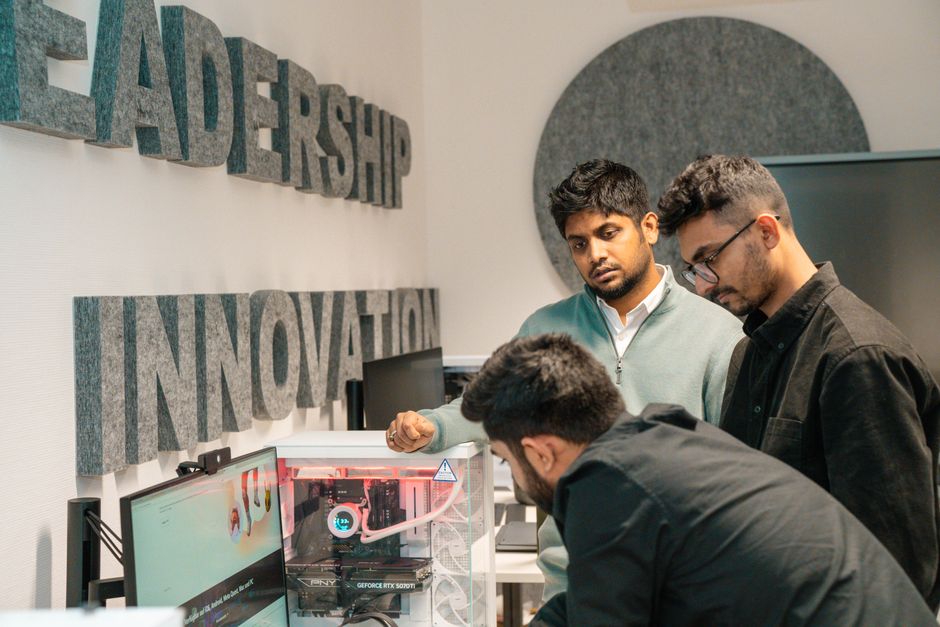
Ambient leadership offers a subtle, supportive framework for cultivating innovation within distributed teams of highly specialized, autonomically-driven, introverted engineers. Moving beyond traditional command-and-control, this approach emphasizes creating an environment of psychological safety, empowering autonomy, facilitating asynchronous collaboration, and providing ‘invisible mentorship.’ It’s about designing a system where innovation emerges naturally from deep work and self-organization, rather than being forced through overt directives.
Key Takeaways
- Cultivating Psychological Safety is Paramount: Introverted, autonomous engineers thrive when they feel safe to experiment, fail, and share ideas without judgment. Ambient leadership proactively builds this foundation, allowing innovation to flourish organically.
- Autonomy Fuels Deep Work and Novel Solutions: Highly specialized engineers require the freedom to explore complex problems on their terms. Ambient leaders provide clear objectives but grant significant latitude in how those objectives are met, empowering unique problem-solving.
- Asynchronous, Low-Interruption Support is Key: Traditional, meeting-heavy leadership styles can deplete introverts’ energy. Ambient leadership champions asynchronous communication, structured feedback loops, and ‘invisible mentorship’ to provide guidance without constant interruption, preserving vital cognitive resources.
In the labyrinthine world of software development, where projects often stretch across continents and timelines, Sarah, a brilliant but intensely introverted lead engineer, found her creative well drying up. Her distributed team of specialized AI researchers, all equally devoted to their craft, was stagnating. Their previous manager, a well-meaning but boisterous ‘ideas man,’ had inadvertently crushed their independent spirit with constant check-ins, forced brainstorms, and an insistence on highly visible (and often disruptive) collaboration tools. Sarah’s team, needing deep focus and quiet contemplation, felt constantly interrupted, their innovative spark dimming under the glare of performative visibility. Then, a new director, Maria, introduced an almost imperceptible shift: an ambient leadership style. Maria didn’t dictate; she enabled. She didn’t micromanage; she maintained a supportive, ‘always there but never in the way’ presence. Within months, Sarah’s team, once muted, began to hum with quiet innovation, their solutions more ingenious than ever before. This anecdote illustrates a profound truth: for a specific cohort of talent—highly specialized, autonomically-driven, introverted engineers in distributed settings—traditional leadership can be a bottleneck. The solution lies in ambient leadership, a framework designed to nurture innovation through subtle presence, profound trust, and a deep respect for individual working styles.
Table of Contents
- The Unique Landscape of Distributed Introverted Engineers
- Decoding Ambient Leadership
- Frameworks for Nurturing Innovation
- Implementing Ambient Leadership in Practice
- Conclusion
- References
1. The Unique Landscape of Distributed Introverted Engineers
Understanding the “Autonomic Introvert”
Highly specialized engineers, particularly those in fields requiring deep cognitive focus like AI, quantum computing, or complex systems architecture, often exhibit a strong preference for autonomy. They are ‘autonomically-driven,’ meaning they thrive when given control over their work processes, problem-solving approaches, and even their schedules. This self-direction is often coupled with introverted tendencies: a need for quiet environments, extended periods of uninterrupted deep work, and a preference for thoughtful, written communication over spontaneous verbal exchanges.
In a distributed setting, these traits are amplified. While freedom from office distractions can be a boon, the lack of informal cues and spontaneous interactions can also lead to isolation if not managed thoughtfully. For these individuals, innovation is not born from boisterous brainstorming sessions but from focused contemplation, iterative experimentation, and meticulously crafted solutions developed in quiet solitude or through well-structured asynchronous collaboration.
Challenges in Traditional Leadership Models
Traditional leadership models, often rooted in industrial-era management, frequently clash with the needs of autonomically-driven, introverted engineers. Command-and-control approaches, micromanagement, constant synchronous meetings, and an emphasis on overt ‘collaboration’ can be counterproductive. They can:
- Interrupt Flow States: The cognitive cost of context switching is high, particularly for deep analytical work. Frequent interruptions break the flow, delaying progress and diminishing cognitive output.
- Drain Energy: For introverts, extensive social interaction, even virtual, is energy-consuming. Excessive meetings or forced ‘team-building’ can lead to burnout rather than collaboration.
- Stifle Autonomy: Prescriptive directives stifle the very self-direction that fuels these engineers’ problem-solving prowess and innovative drive. This can lead to disengagement and a perceived lack of trust.
- Erode Psychological Safety: In environments where visibility is equated with value, introverts may feel pressured to perform in ways that are unnatural, leading to anxiety and a reluctance to share half-formed ideas crucial for early-stage innovation. The importance of establishing such an environment cannot be overstated, as outlined in protocols for psychological safety restoration.
2. Decoding Ambient Leadership
Ambient leadership emerges as a powerful antidote to these challenges, offering a leadership philosophy tailor-made for high-performing, distributed technical teams.
Beyond Micromanagement: A Philosophy of Presence
Ambient leadership is characterized by a subtle, pervasive presence rather than overt command. It’s about creating an enabling environment that surrounds the team, providing support, removing obstacles, and guiding direction without explicit intervention at every turn. Think of it like a perfectly tuned background score in a film – you might not consciously notice it, but it profoundly shapes the emotional landscape and narrative flow. The leader acts as an environmental architect, curating conditions conducive to deep work, independent thought, and emergent innovation.
Core Principles of Ambient Leadership
Ambient leadership is built on several foundational tenets:
- Fostering Psychological Safety: Creating a culture where experimentation, iterative failure, and divergent thinking are not just tolerated but encouraged. This involves actively demonstrating vulnerability, reinforcing constructive feedback loops, and ensuring that diverse perspectives are heard and valued. It’s the bedrock upon which genuine innovation can be built without fear.
- Empowering Autonomy (with Guardrails): Providing clear strategic objectives and expected outcomes, then trusting engineers to determine the best path to achieve them. This involves delegating ownership of problems, not just tasks, and offering resources and guidance only when sought, or when strategic deviation is observed. This also aligns with principles of decelerative leadership, emphasizing sustainable pace and trust over relentless pressure.
- Facilitating Connection (without forcing it): Creating intentional spaces for interaction that respect introverted communication preferences. This could include structured asynchronous discussions, opt-in virtual co-working spaces, or regular (but not excessive) one-on-ones focused on growth and well-being. The goal is to build connection and shared understanding without draining introverts’ social batteries.
3. Frameworks for Nurturing Innovation
Implementing ambient leadership requires specific frameworks that translate its principles into actionable strategies.
The “Innovation Nudge” Framework
Instead of demanding innovation, ambient leaders deploy ‘nudges’ – subtle interventions that steer the team towards innovative outcomes without dictating the precise path. This is a significant shift from traditional approaches:
| Traditional Innovation Push | Ambient Innovation Nudge |
|---|---|
| Leader Dictates: “We need a new product in X category.” | Leader Frames Problem: “Our users struggle with Y. How might we…?” |
| Mandatory Brainstorms: Frequent, often chaotic sessions. | Asynchronous Idea Collection: Dedicated channels for quiet input. |
| Directives: Explicit instructions on features/solutions. | Guiding Constraints: Clear boundaries and desired outcomes. |
| Public Performance Pressure: Expecting vocal participation. | Valuing Deep Work: Recognizing and rewarding thoughtful, individual contributions. |
| Fear of Failure: Focus on success metrics, discouraging risk. | Learning from Failure: Emphasizing iteration and experimentation. |
Creating “Asynchronous Idea Incubators”
These are digital spaces designed for quiet contemplation and gradual idea development. Examples include dedicated Slack channels for specific problems, shared Notion/Confluence pages where engineers can post thoughts, designs, or code snippets and receive asynchronous feedback. The key is to remove the pressure of immediate responses and allow ideas to marinate and evolve over time, accommodating the reflective nature of introverted thought processes. This also helps preserve the cognitive function of engineers by reducing real-time interruptions, a concept explored in neuro-agile leadership techniques for R&D teams.
Mastering the Art of “Invisible Mentorship”
Ambient leaders practice mentorship not through formal didactic sessions, but through subtle support structures. This includes:
- Curated Resources: Sharing relevant articles, research papers, or tools that subtly guide thinking without being prescriptive.
- Strategic Questions: Asking open-ended, thought-provoking questions in one-on-ones or asynchronous forums that encourage deeper inquiry rather than providing direct answers.
- Removing Obstacles Proactively: Anticipating roadblocks (technical, organizational, political) and quietly clearing them before they impact the team, often without the team even realizing an obstacle existed.
- Connecting Experts: Gently facilitating introductions between engineers with complementary skills or knowledge, allowing them to self-organize and collaborate at their own pace.
Measuring Impact, Not Activity
Shifting focus from visible activity (e.g., hours spent online, meeting attendance) to tangible impact (e.g., innovative solutions, code quality, research breakthroughs) is crucial. Ambient leaders define clear, outcome-based metrics and trust their teams to deliver. This reduces pressure for performative work and allows engineers to optimize their working styles for maximum productivity and creativity, whether that involves long stretches of uninterrupted coding or periods of deep reading and contemplation.
4. Implementing Ambient Leadership in Practice
Tooling and Tech Stacks for Ambient Support
Strategic use of technology is vital. Tools that support asynchronous collaboration, clear documentation, and minimal interruption are preferred:
- Asynchronous Communication: Platforms like Slack (with judicious use of channels and threads), Microsoft Teams, or dedicated forum software where discussions can unfold over time.
- Documentation & Knowledge Bases: Tools like Confluence, Notion, or internal wikis where project specs, decisions, and knowledge are meticulously recorded, reducing the need for synchronous clarification meetings.
- Version Control & Code Review: Git-based systems (GitHub, GitLab, Bitbucket) are inherently asynchronous and allow engineers to contribute and review code at their own pace.
- Project Management with Autonomy: Tools like Jira or Asana configured to track outcomes and progress, rather than micro-manage tasks, allowing engineers to update status when ready.
The Leader’s Evolving Role: From Commander to Curator
Under ambient leadership, the leader’s role transforms:
- From Commander to Architect: Designing the environment and setting the broad strategic vision, rather than issuing specific orders.
- From Micromanager to Obstacle Remover: Identifying and eliminating bureaucratic hurdles or resource constraints, empowering the team to self-solve technical challenges.
- From Problem-Solver to Question-Ponderer: Encouraging critical thinking and independent problem-solving by asking insightful questions, rather than providing immediate answers.
- From Task-Assigner to Trust-Builder: Demonstrating profound trust in the team’s expertise and autonomy, fostering a sense of ownership and accountability.
Addressing Potential Pitfalls
While highly effective, ambient leadership isn’t without its potential challenges:
- Perceived Absence: Some team members, especially those accustomed to more direct management, might initially perceive the leader as disengaged. Proactive communication about the philosophy of ambient leadership can mitigate this.
- Isolation: While introverts thrive on solitude, excessive isolation can still be detrimental. Leaders must intentionally design opportunities for optional, low-pressure social interaction and check in on well-being through one-on-ones.
- Lack of Direction: If the strategic vision isn’t clearly articulated, autonomy can devolve into aimlessness. Leaders must invest significant effort in setting clear, compelling goals and regularly reiterating them.
- Responsibility Diffusion: Ensuring accountability without micromanagement requires robust mechanisms for tracking progress and outcomes, alongside a culture of personal responsibility.
Conclusion
Nurturing innovation within distributed teams of highly specialized, autonomically-driven, introverted engineers demands a leadership paradigm shift. Ambient leadership, with its emphasis on subtle presence, psychological safety, profound autonomy, and asynchronous support, provides this much-needed framework. By designing environments where deep work flourishes, where quiet contemplation yields groundbreaking insights, and where trust forms the bedrock of collaboration, leaders can unlock an unparalleled wellspring of creativity and problem-solving. This isn’t about doing less; it’s about leading differently – with intention, empathy, and an unwavering belief in the power of the individual mind when given the space to truly innovate.
References
- Cain, S. (2012). Quiet: The Power of Introverts in a World That Can’t Stop Talking. Crown. (Relevance: Understanding introversion and its strengths).
- Pink, D. H. (2011). Drive: The Surprising Truth About What Motivates Us. Riverhead Books. (Relevance: Autonomy, mastery, and purpose as motivators).
- Edmondson, A. C. (1999). Psychological Safety and Learning Behavior in Work Teams. Administrative Science Quarterly, 44(2), 350-383. (Relevance: Foundation of psychological safety for innovation).
- HBR Guide to Managing Up and Across (2018). Harvard Business Review Press. (Relevance: Nuanced leadership approaches, influence without direct authority).
- MIT Sloan Management Review. (Various articles on remote work, leadership, and innovation). (Relevance: Academic insights into distributed teams and innovation).
- Grant, A. (2013). Give and Take: Why Helping Others Drives Our Success. Viking. (Relevance: The role of generous leadership in fostering collaboration and innovation).
- Fayard, A. L., & Weeks, J. (2007). Photographing the Invisible: The Cultural Work of Organizations. Organization Studies, 28(12), 1835-1854. (Relevance: Understanding implicit organizational culture and leadership’s subtle influence).
Featured image by Md Jawadur Rahman on Pexels