Team Building Through Effective Meetings
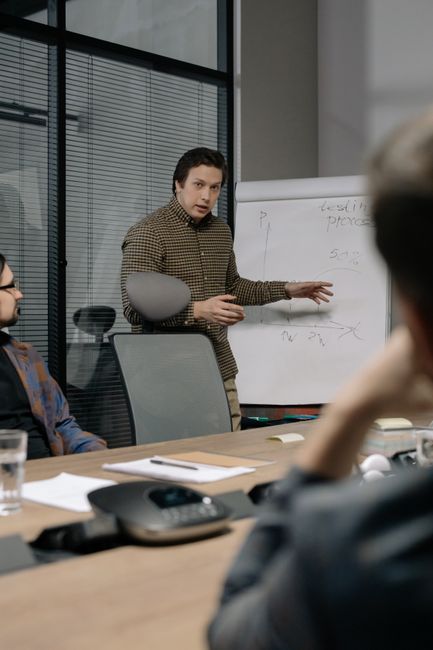
Table of Contents
- The Critical Link Between Meetings and Team Cohesion
- Designing Meetings for Maximum Team Engagement
- Facilitation Techniques for Inclusive and Productive Discussions
- Actionable Outcomes: Turning Meetings into Development Opportunities
- Leveraging Virtual and Hybrid Meeting Strategies
- Building Trust and Psychological Safety Through Meetings
The Critical Link Between Meetings and Team Cohesion
For many, the word "meeting" conjures images of endless hours, unproductive discussions, and a general sense of dread. Yet, when executed effectively, meetings are not mere administrative necessities; they are potent catalysts for building cohesive teams and fostering genuine collaboration. An effective meeting is more than just a gathering of people; it’s a structured opportunity for shared understanding, problem-solving, and collective decision-making. It’s where the foundational pillars for high performance are often laid. When thoughtfully designed and skillfully facilitated, these sessions can elevate morale, solidify trust, and ignite a shared sense of purpose, moving the needle on overall team productivity strategies.
However, the path to meeting mastery is often littered with pitfalls. Common culprits include a lack of clear objectives, inadequate preparation, poor time management, and an absence of active listening or equitable participation. When meetings devolve into rambling monologues, dominated by a few voices or characterized by a constant stream of interruptions, they actively detract from team cohesion. Such experiences can breed frustration, disengagement, and a corrosive erosion of trust. This is where understanding team dynamics and collaboration strategies becomes paramount, as these breakdowns directly impact how individuals perceive their contribution and the value of collective effort.
The psychological impact of meetings is profound. Well-run meetings, conversely, send a clear message: each team member’s time is valued, their input is sought, and their contributions matter. This fosters a sense of psychological safety, encouraging open communication and a willingness to tackle complex challenges together. This directly supports effective team communication strategies, as individuals feel more comfortable sharing ideas and concerns. Conversely, a history of poorly run meetings can lead to cynicism, a reluctance to participate, and a breakdown in the very trust essential for The Neuroscience of Trust: Unlock Your Team’s Potential (Backed by Brain Science). This trust is the bedrock upon which all successful team building strategies are built.
Case Study: The “Sync-or-Swim” Stand-Up
A rapidly growing tech startup, “InnovateSolutions,” was struggling with communication silos and a general feeling of disconnect among its cross-functional teams. Their daily stand-up meetings, intended to be brief updates, had morphed into lengthy, unfocused discussions where individuals often spoke *at* each other rather than *with* each other. Team members began dreading these sessions, viewing them as a waste of valuable coding time. This directly impacted their ability to implement effective **Team Building for Technical Teams**. Recognizing the problem, the leadership team implemented a revamped stand-up protocol: strict adherence to a 15-minute time limit, a focus on blockers and immediate needs, and the introduction of a rotating facilitator role. This simple shift, a cornerstone of **Mastering Meeting Facilitation: The Unsung Hero of Leadership Team Effectiveness**, dramatically improved information flow, reduced individual frustration, and fostered a greater sense of shared progress. Team members started collaborating more effectively to solve problems *before* they became major issues, demonstrating a tangible improvement in **Team Productivity Strategies for Leaders** and significantly enhancing overall team cohesion.
In essence, meetings are not just operational necessities; they are critical junctures for nurturing the relationships and collaborative spirit that define a high-performing team. Investing in making them effective is a direct investment in your team’s success and fosters the environment necessary for Building Diverse Teams Effectively. This mindful approach to meetings is a foundational element of Leadership-Driven Team Building Strategies.
Designing Meetings for Maximum Team Engagement
Meetings, when conducted poorly, can be the graveyard of team morale and productivity. Conversely, well-designed meetings are powerful engines for Effective Team Building: Pillars for High Performance and fostering collaboration. It’s not about the quantity of meetings, but the quality and intentionality behind each one.
Setting Clear Objectives and Desired Outcomes
The foundational step to any engaging meeting is a crystal-clear purpose. Before you even send an invitation, ask yourself: "What do I want to achieve by the end of this meeting?" and "What specific, measurable outcomes are we aiming for?" Without this clarity, discussions can meander aimlessly, leaving participants feeling frustrated and their time wasted. A well-defined objective acts as a compass, guiding the entire discussion and ensuring everyone is working towards a common goal. This is fundamental to Project Leadership: Vision, Strategy & Team Building.
Identifying the Right Participants and Ensuring Their Active Involvement
Inviting the right people is crucial for Building Diverse Teams Effectively. Consider who needs to be there to contribute to the objectives, make decisions, or be informed. Over-inviting dilutes input and can lead to disengagement. Conversely, missing key stakeholders can stall progress. Once participants are assembled, proactive engagement is key. Encourage pre-meeting preparation where necessary, and at the meeting itself, leverage facilitation techniques that draw out quieter voices and ensure everyone feels comfortable contributing. Remember, diverse perspectives are vital for innovation and robust problem-solving. As noted in Harvard Business Review, "Teams that successfully foster diverse viewpoints are more likely to innovate and outperform their less diverse counterparts."
Developing Structured Agendas That Guide Discussion and Allocate Time Effectively
A well-structured agenda is your meeting’s roadmap. It should be shared in advance, outlining topics, the time allocated for each, and the desired outcome for that segment. This structure provides a sense of control and predictability, which are essential for Building Cohesive Teams. Allocate generous but realistic time slots, and be prepared to gently steer the conversation back on track if it veers off course. This is where Mastering Meeting Facilitation: The Unsung Hero of Leadership Team Effectiveness truly shines. A structured agenda also supports Team Productivity Strategies for Leaders.
Choosing Appropriate Meeting Formats
The nature of your objective dictates the best meeting format. For instance:
- Brainstorming Sessions: Designed to generate a large volume of ideas, often with minimal initial critique. Effective for exploring new avenues or tackling complex challenges.
- Problem-Solving Meetings: Focus on identifying root causes and developing actionable solutions. Requires analytical thinking and collaborative debate.
- Decision-Making Meetings: Aim to reach a clear, consensus-driven or leader-decided outcome. Requires preparation and a clear path to resolution.
- Status Updates: Primarily for sharing information and progress. These can often be streamlined or even replaced by asynchronous communication tools, but when necessary, they should be concise and action-oriented.
- Define a clear, singular objective for every meeting.
- Identify participants based on their direct contribution to the objective.
- Share the agenda at least 24 hours in advance, including desired outcomes for each item.
- Assign time limits to agenda items and adhere to them.
- Select the meeting format that best suits the objective (e.g., brainstorming, decision-making).
- Designate a facilitator to guide the discussion and manage time.
- Plan for actionable next steps and assign owners and deadlines.
By thoughtfully designing each meeting, you transform it from a potential time drain into a potent tool for Team Building Strategies and overall organizational effectiveness. This intentional approach is a hallmark of strong leadership, whether you are developing Foundational Team Building Strategies for New Managers or guiding seasoned professionals.
Facilitation Techniques for Inclusive and Productive Discussions
Effective meetings are the lifeblood of productive teams, acting as crucial touchpoints for collaboration, decision-making, and fostering a sense of shared purpose. This is where the skill of facilitation truly shines, transforming potentially chaotic discussions into engines of progress. A skilled facilitator acts as the conductor of an orchestra, ensuring each instrument plays its part harmoniously. Their primary role is to guide the conversation, keeping it focused on the objectives while actively creating an environment where all voices can be heard and valued. This is fundamental to Effective Team Building: Pillars for High Performance.
Encouraging participation from every team member is not merely about politeness; it’s about harnessing the full spectrum of perspectives and expertise. For those leading teams, especially Team Building for Emerging Leaders, mastering inclusive facilitation is paramount. Strategies include framing open-ended questions, using a round-robin approach for specific topics, and employing techniques like "silent brainstorming" on shared whiteboards to allow introverted or less assertive individuals to contribute without immediate pressure. For Team Building for Technical Teams, ensuring that complex ideas are translated and accessible to everyone is key. It’s also vital to be aware of and address Understanding Power Dynamics in Teams, as these can inadvertently stifle contributions.
Conflict and differing opinions are inevitable in any dynamic team. The facilitator’s role is not to eliminate these, but to manage them constructively. This involves establishing ground rules for respectful debate, acknowledging and validating all viewpoints, and steering discussions towards finding common ground or making informed decisions. Techniques like "devil’s advocate" can be used to ensure all angles are explored, preventing groupthink and leading to more robust outcomes. This directly contributes to Troubleshooting Team Conflicts in Innovation Projects and generally Team conflict management for leaders.
Active listening is the cornerstone of effective facilitation. This means not just hearing words, but understanding the underlying meaning and intent. Regularly summarizing key points throughout the discussion ensures everyone is on the same page and that progress is being made. This technique helps to consolidate ideas and provide a clear path forward, crucial for Team Productivity Strategies. Furthermore, The Neuroscience of Trust: Unlock Your Team’s Potential (Backed by Brain Science) highlights how feeling heard and understood directly impacts team cohesion and performance.
To amplify engagement and ensure clarity, the strategic use of visual aids and collaborative tools is indispensable. Whether it’s a shared digital whiteboard for brainstorming, presentation slides to guide the narrative, or online polling for quick consensus, these tools can democratize participation and make information more accessible, especially in virtual settings. For distributed teams, leveraging these Team Collaboration Tools for the Future of Work is essential for maintaining connection and productivity. Techniques like using a shared document to capture notes in real-time or employing collaborative mind-mapping software can transform passive attendees into active contributors. This aligns perfectly with developing Virtual Team Collaboration Strategies.
- Define clear meeting objectives and desired outcomes before each session.
- Assign a dedicated facilitator to guide the discussion and manage time.
- Establish ground rules for respectful communication and participation at the outset.
- Actively solicit input from all team members, using a variety of techniques.
- Listen attentively, summarize key points, and paraphrase to ensure understanding.
- Address conflicts constructively by focusing on issues, not individuals.
- Utilize visual aids and collaborative tools to enhance engagement and clarity.
- Follow up with clear action items and assigned responsibilities.
A well-facilitated meeting is a powerful catalyst for
Building Cohesive Teams and a testament to strong Leadership-Driven Team Building Strategies. It’s an investment that pays dividends in terms of efficiency, innovation, and overall team morale, a core aspect of Project Leadership: Vision, Strategy & Team Building. Ultimately, mastering meeting facilitation is about cultivating a culture of open dialogue and shared ownership, making it the “unsung hero of leadership team effectiveness.” For practical application, consider exploring Team Building Strategies and Foundational Team Building Strategies for New Managers.Actionable Outcomes: Turning Meetings into Development Opportunities
The true power of a meeting isn’t just in the discussion; it’s in the outcomes. For leaders, transforming every gathering into a development opportunity is paramount. This means moving beyond a mere exchange of ideas to tangible progress.
Translating Discussions into Clear, Assigned Action Items
The most common pitfall in meetings is a wealth of discussion that evaporates without concrete next steps. To combat this, explicitly dedicate a portion of your meeting agenda to "Action Planning." This isn’t just about jotting down tasks; it’s about clarity. For each decision made or problem identified, ask: "What needs to happen next?" This should be followed by defining:
- The specific action: What exactly needs to be done?
- Who owns it: Assign a single individual responsible. This is crucial for avoiding the "diffusion of responsibility."
- The deadline: Set a realistic and measurable timeframe.
- The desired outcome: What does success look like for this action item?
This practice directly supports the Effective Team Building: Pillars for High Performance by ensuring that efforts are focused and progress is measurable. Remember, clear communication is foundational to any successful team dynamic; explore Effective Team Communication Strategies for further insights.
Establishing Accountability and Follow-Up Mechanisms
Once action items are assigned, the work of team development continues. Accountability isn’t about punishment; it’s about creating a culture where individuals feel empowered and responsible for their contributions. Establish clear follow-up mechanisms. This could involve:
- Brief check-ins at the start of subsequent meetings: Dedicate 5 minutes to review progress on outstanding action items.
- Utilizing project management tools: Leverage platforms that track task completion and provide visibility.
- One-on-one conversations: For critical or complex tasks, schedule brief follow-ups with the assigned individual to offer support and address any roadblocks.
This approach fosters trust and predictability, essential elements for Building Cohesive Teams. For leaders of technical teams, this structured approach can be particularly effective in maintaining momentum on complex projects, as discussed in Team Building for Technical Teams.
Case Study: The “Action Item Audit” at Innovate Solutions
Innovate Solutions, a mid-sized tech company, struggled with project delays due to unclear ownership and follow-through. Their leadership team implemented an “Action Item Audit” at the beginning of every weekly sync. Before diving into new topics, they spent 5-10 minutes reviewing every action item assigned in the previous meeting. For each, they asked: “What progress has been made?” and “Are there any blockers?” This simple shift dramatically improved task completion rates, reduced ambiguity, and fostered a stronger sense of collective responsibility. It also provided valuable opportunities for emerging leaders to demonstrate initiative and problem-solving skills, directly contributing to their development as outlined in Team Building for Emerging Leaders.
Using Post-Meeting Reflections to Identify Learnings and Areas for Improvement
Beyond task completion, meetings offer a rich vein of learning. Encourage a brief "reflection" period at the end of key meetings, especially those focused on problem-solving or strategic planning. Ask questions like:
- "What was the most significant takeaway from our discussion today?"
- "What assumptions did we challenge or confirm?"
- "What did we learn about our team’s dynamics or decision-making process?"
This reflective practice can uncover insights into team dynamics, communication styles, and even potential sources of conflict that, if addressed proactively, can prevent future issues. Understanding these dynamics is critical for navigating complex team environments, as explored in Understanding Power Dynamics in Teams.
Integrating Feedback Loops for Continuous Refinement of Meeting Practices
Effective meetings don’t happen by accident; they are cultivated. Establish a feedback loop for your meeting processes themselves. This can be done informally through direct conversations with team members or more formally through short, anonymous surveys. Ask questions such as:
- "Was the agenda clear and followed?"
- "Did everyone have an opportunity to contribute?"
- "Were decisions effectively made?"
- "How could we improve this meeting for next time?"
The insights gathered from these reflections and feedback loops are invaluable for refining your approach to Mastering Meeting Facilitation: The Unsung Hero of Leadership Team Effectiveness. This commitment to continuous improvement not only elevates meeting effectiveness but also models a growth mindset for the entire team, a cornerstone of Leadership-Driven Team Building Strategies. When meetings are purposeful, outcome-oriented, and used for learning, they become potent engines for team development and ultimately, for achieving ambitious goals, as detailed in Project Leadership: Vision, Strategy & Team Building.
Leveraging Virtual and Hybrid Meeting Strategies
The seismic shift to remote and hybrid work models has reshaped how we approach team building. Gone are the days when spontaneous hallway conversations and in-person brainstorming sessions were the primary drivers of cohesion. Now, effective meetings, whether virtual or hybrid, must be intentionally designed to foster connection, collaboration, and a shared sense of purpose. Adapting team-building principles for these dispersed environments means a renewed focus on [Effective Team Building: Pillars for High Performance] and consciously translating those pillars into a digital or blended space. This requires a deliberate effort to build trust and psychological safety, as outlined in resources on [The Neuroscience of Trust: Unlock Your Team’s Potential (Backed by Brain Science)], even when participants are miles apart.
When conducting virtual meetings, establishing clear etiquette is paramount. Encourage participants to use video whenever possible to foster a sense of presence and connection. Active listening, avoiding multitasking, and providing concise feedback are crucial for maximizing engagement. Consider incorporating icebreakers or brief, informal check-ins at the beginning of each meeting to allow team members to connect on a personal level. [Team Building Activities for Remote Teams] can be invaluable here, offering structured ways to inject fun and build camaraderie. Beyond social interaction, these activities reinforce the [Foundational Team Building Strategies for New Managers] by creating opportunities for shared experiences and problem-solving, vital for [Building Cohesive Teams].
The right tools and technologies can significantly enhance inclusivity and engagement in virtual and hybrid settings. Video conferencing platforms with features like breakout rooms, virtual whiteboards, and collaborative document editing empower seamless interaction. Project management tools and shared communication channels, such as Slack or Microsoft Teams, extend collaboration beyond meeting times, promoting [Virtual Team Collaboration Strategies] and [Effective Team Communication Strategies]. For technical teams, specialized platforms that facilitate code sharing and collaborative debugging are essential, supporting [Team Building for Technical Teams]. The goal is to create an environment where everyone, regardless of their location, feels heard and valued, contributing to [Building Diverse Teams Effectively].
Ensuring equitable participation in hybrid meetings presents a unique challenge. Leaders must be mindful of potential power dynamics where those physically present might inadvertently dominate the conversation. Strategies include assigning a facilitator to actively solicit input from remote participants, ensuring they have equal opportunity to speak and be heard. Using polling features, Q&A functionalities, and dedicated time for remote attendees to share their thoughts can level the playing field. Furthermore, rotating the meeting location if possible, or ensuring remote participants have high-quality audio-visual equipment, demonstrates a commitment to inclusivity. This focus on fairness and equal opportunity is a cornerstone of [Leadership-Driven Team Building Strategies] and is critical for [Understanding Power Dynamics in Teams] in any setting.
FAQ: How can I ensure remote team members feel as connected as those in the office during hybrid meetings?
This is a common challenge. The key is intentionality. Leaders should actively encourage remote participants to turn on their cameras, use their names when speaking, and create dedicated time for them to contribute. Consider using digital tools like virtual hand-raising or polling features to give everyone an equal voice. Pre-meeting check-ins and post-meeting follow-ups with remote attendees can also help bridge any gaps. Implementing **[Team Collaboration Tools for the Future of Work]** can provide a common ground for interaction.
FAQ: What are some effective virtual team-building activities that can be incorporated into meetings?
Beyond simple icebreakers, consider short, interactive games that encourage problem-solving or creativity. Virtual escape rooms, online trivia, or collaborative drawing exercises can be great for boosting morale and fostering teamwork. Even a quick “two truths and a lie” can help team members learn more about each other. Remember, the goal is to create shared experiences that strengthen bonds, much like **[Team Building Strategies]** used in person.
Building Trust and Psychological Safety Through Meetings
Meetings are often seen as necessary evils, time drains that pull us away from "real work." But for seasoned leaders, they are potent opportunities to cultivate a thriving team environment. The most effective team building, far from relying solely on elaborate Team Building Activities for Remote Teams or structured Team Building Strategies, can be forged in the crucible of regular, well-managed interactions. At the heart of this lies the creation of an environment where team members feel safe to express ideas and concerns. This isn’t about simply avoiding conflict; it’s about fostering a climate where diverse perspectives are not just tolerated but actively sought and valued, a cornerstone of Building Diverse Teams Effectively. When individuals feel their voices are heard and respected, even when they challenge the status quo, a profound sense of psychological safety emerges. This safety allows for the free flow of innovation and problem-solving, essential for Project Leadership: Vision, Strategy & Team Building.
The impact of vulnerability and authenticity in meeting facilitation cannot be overstated. When leaders, and by extension, team members, demonstrate a willingness to be open about their thought processes, uncertainties, and even mistakes, it signals that imperfection is acceptable. This doesn’t mean oversharing or unprofessionalism, but rather a genuine human connection. As Brené Brown’s research on vulnerability highlights, it’s a key driver of trust and connection within groups. For leaders, this means being transparent about challenges, admitting when they don’t have all the answers, and modeling the behavior they wish to see. This practice is fundamental to The Neuroscience of Trust: Unlock Your Team’s Potential (Backed by Brain Science), which clearly shows how perceived authenticity fosters deeper trust.
Recognizing and celebrating team contributions during meetings is another powerful lever for building morale and reinforcing positive behaviors. It’s easy for individual efforts to get lost in the shuffle of project updates and action items. However, making a conscious effort to highlight successes, acknowledge hard work, and express appreciation in a public forum within the meeting significantly boosts individual and collective confidence. This can be as simple as saying, "I want to give a shout-out to Sarah for her exceptional analysis on the Q3 report; it really clarified our path forward," or acknowledging the collaborative effort on a challenging task. This practice directly supports Foundational Team Building Strategies for New Managers and serves as a tangible demonstration of Team Performance Management.
Ultimately, how consistent, positive meeting experiences build long-term team resilience is a matter of habit and reinforcement. When teams consistently experience meetings that are productive, inclusive, and respectful, they develop an intrinsic expectation of positive engagement. This predictability creates a stable foundation upon which the team can weather storms, adapt to change, and tackle complex challenges. It’s the ongoing, often subtle, work of Leadership-Driven Team Building Strategies that builds this resilience. The more positive the meeting experience, the stronger the bonds, the greater the willingness to engage in Troubleshooting Team Dysfunctions proactively, and the more cohesive the team becomes.
Here’s a look at how different meeting elements contribute to trust and safety:
| Meeting Element | Impact on Trust and Psychological Safety | Examples |
|---|---|---|
| Active Listening & Empathy | Demonstrates respect for individual perspectives; validates feelings and concerns. | Paraphrasing comments, asking clarifying questions, acknowledging emotions. |
| Open Dialogue & Idea Generation | Encourages sharing of diverse viewpoints without fear of judgment; fosters innovation. | Brainstorming sessions with no bad ideas, “round robin” idea sharing, anonymous feedback channels. |
| Constructive Feedback Delivery | Builds confidence and promotes growth; creates a culture of continuous improvement. | Focusing on behavior rather than personality, offering specific examples, framing feedback as a learning opportunity. |
| Clear Roles and Responsibilities | Reduces ambiguity and potential for conflict; ensures accountability. | Defining roles for each meeting, clarifying decision-making authority. |
| Celebration of Successes | Reinforces positive contributions and strengthens team bonds; builds morale. | Publicly acknowledging achievements, sharing positive customer feedback, celebrating milestones. |
Mastering meeting facilitation is therefore not just about efficiency; it’s a critical aspect of Mastering Meeting Facilitation: The Unsung Hero of Leadership Team Effectiveness and a fundamental building block for Building Cohesive Teams. By intentionally designing and leading meetings with these principles in mind, leaders can transform ordinary gatherings into powerful engines for trust, collaboration, and sustained team performance. This approach is vital for all levels, from Foundational Team Building for New Managers to developing seasoned Team Dynamics in Leadership.
Featured image by cottonbro studio on Pexels