Building Diverse Teams Effectively
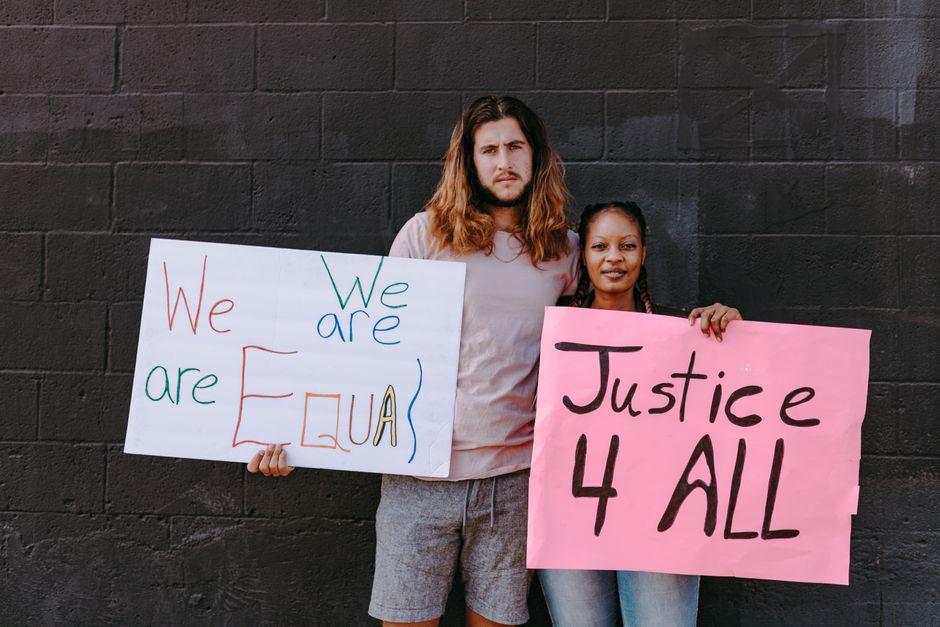
Table of Contents
- The Strategic Imperative of Diverse Teams
- Foundational Pillars for Building Diverse Teams
- Inclusive Recruitment and Talent Acquisition Strategies
- Cultivating an Inclusive Team Environment
- Fostering Collaboration and Leveraging Diverse Perspectives
- Measuring and Sustaining Diversity and Inclusion Efforts
- Overcoming Common Challenges in Building Diverse Teams
The Strategic Imperative of Diverse Teams
In today’s hyper-competitive and rapidly evolving business landscape, building diverse teams is no longer a ‘nice-to-have’; it’s a fundamental strategic imperative. When we talk about diversity, we must move beyond a narrow focus on demographics. True diversity encompasses cognitive diversity – a wide range of thinking styles, problem-solving approaches, and perspectives. It includes experiential diversity – drawing from varied professional backgrounds, industries, and life journeys. And critically, it involves functional diversity – bringing together individuals with distinct skill sets and expertise. This multifaceted approach to diversity is the bedrock of high-performing organizations and a key differentiator for effective leadership.
The business case for embracing diversity is robust and multifaceted. Diverse teams are demonstrably more innovative, sparking creativity through the collision of different viewpoints and experiences. They excel at complex problem-solving, approaching challenges from multiple angles to uncover solutions that homogeneous groups might miss. In an increasingly globalized marketplace, teams that mirror the diversity of their customer base possess a deeper understanding of varied consumer needs and cultural nuances. This leads to more resonant marketing, more effective product development, and ultimately, stronger market penetration. Furthermore, a commitment to diversity significantly boosts employee engagement and retention. When individuals feel valued, respected, and understood for their unique contributions, their commitment to the organization soars. This, in turn, makes organizations more attractive to top talent, aiding in Building High-Performing Teams Through Strategic Hiring.
Effectively Building Diverse Teams is intrinsically linked to overall leadership and organizational development goals. It’s not an isolated initiative but a pervasive element of a mature leadership philosophy. Leaders who champion diversity are often those who have cultivated Inclusive Leadership for Diverse Teams: Beyond the Buzzwords, fostering environments where every voice is heard and valued. This commitment to inclusion is crucial for Building Trust Within Teams: The Leader’s Hard-Won Blueprint, as it creates a sense of psychological safety necessary for open communication and collaboration. Without trust and safety, even the most diverse group can fall prey to issues like Social Loafing: Why Teams Underperform, as individuals may hesitate to contribute their best. The ability to manage and harness the power of diverse perspectives is a hallmark of effective Project Leadership: Vision, Strategy & Team Building and is essential for Leading Diverse Global Teams.
Case Study: The Global Tech Innovator’s Diversity Pivot
A leading technology firm, facing stagnant innovation and increasing difficulty attracting top-tier global talent, initiated a comprehensive review of its hiring and team-building practices. Initially, their engineering teams were dominated by individuals with similar educational backgrounds and problem-solving styles. Recognizing this as a potential bottleneck, they shifted their focus from purely technical skill-matching to actively seeking candidates with diverse cognitive and experiential backgrounds. This included bringing in individuals from non-traditional tech fields, those with extensive experience in user research, and even individuals with strong artistic or design sensibilities to work alongside pure coders. The result? An explosion of creative solutions for complex software challenges, a significant reduction in product development cycles, and a palpable increase in employee satisfaction and retention. This strategic shift underscored that diversity isn’t just about representation; it’s about leveraging a broader spectrum of human ingenuity to drive tangible business results and align with broader Leadership Development for Talent Acquisition Teams objectives.
Ultimately, the pursuit of diverse teams is a powerful lever for organizational growth and resilience. It underpins the ability to adapt to change, Lead Through Adversity: Building Resilience, and foster a culture where continuous learning and improvement are embedded. It also directly contributes to Building Cohesive Teams by ensuring that the processes for collaboration, communication, and conflict resolution are inclusive and effective for everyone involved, regardless of their background. Understanding and addressing Understanding Power Dynamics in Teams becomes paramount in ensuring that diverse voices are not only present but also empowered to influence outcomes, creating a truly synergistic and high-achieving environment.
Foundational Pillars for Building Diverse Teams
Building truly diverse teams isn’t just a noble aspiration; it’s a strategic imperative for innovation, resilience, and sustained success. However, the journey from aspiration to reality requires more than good intentions. It demands a deliberate and structured approach, built upon a bedrock of foundational pillars. These pillars ensure that diversity is not a superficial addition but an integrated element of your organizational DNA, leading to more effective Building Diverse Teams and ultimately, high-performing units.
Leadership Commitment and Accountability: Setting the Tone from the Top
The most critical element in fostering diversity is unwavering commitment from leadership. This isn’t about issuing a memo; it’s about demonstrating a deep-seated belief in the value of diversity and inclusion through consistent actions. Leaders must actively champion D&I initiatives, allocate resources, and hold themselves and their teams accountable for progress. This sets the cultural tone, signaling that diversity is a core business objective, not a peripheral HR task. Without this top-down endorsement, even the best-intentioned programs can falter. As Leadership’s Role in Culture Building illustrates, leadership actions are the primary drivers of cultural change. Accountability can be woven into performance reviews, strategic planning, and compensation structures, ensuring that D&I goals are treated with the same seriousness as financial targets.
Developing Inclusive Company Culture: Psychological Safety and Belonging
A diverse workforce can only thrive in an inclusive environment. This means cultivating a culture where every individual feels valued, respected, and safe to express their authentic selves. Psychological Safety in Engineering: The Leader’s Blueprint for High-Performing Teams highlights how critical psychological safety is for innovation and problem-solving. When team members feel psychologically safe, they are more likely to take risks, offer dissenting opinions, and collaborate effectively, free from fear of retribution. This fosters a sense of belonging, which is paramount for engagement and retention. It moves beyond simply having diverse individuals to ensuring that their diverse perspectives are actively sought out and integrated into decision-making. Leaders must actively work on Building Trust Within Teams: The Leader’s Hard-Won Blueprint, as trust is the bedrock of psychological safety and cohesive teams. This involves transparent communication, active listening, and a willingness to address conflicts constructively.
Establishing Clear Diversity and Inclusion (D&I) Metrics and KPIs
To manage and improve diversity effectively, you must measure it. Establishing clear, measurable diversity and inclusion metrics and Key Performance Indicators (KPIs) is essential for tracking progress, identifying areas for improvement, and demonstrating the impact of D&I efforts. This could include metrics related to representation across different demographics at various levels, promotion rates, retention rates, employee engagement survey results disaggregated by demographic groups, and participation in D&I initiatives. For instance, a study by McKinsey & Company consistently shows a strong correlation between diversity and financial outperformance, underscoring the business case for measurement. Regularly reviewing these metrics allows leaders to course-correct and ensure that efforts are yielding tangible results, moving beyond anecdotal evidence to data-driven decision-making. This also helps in Building High-Performing Teams Through Strategic Hiring, ensuring that hiring practices contribute to diversity goals.
FAQ: What are some common pitfalls to avoid when setting D&I metrics?
A common pitfall is focusing solely on representation numbers without also measuring inclusion and equity. For example, achieving gender parity in hiring is a good start, but if women are leaving the organization at higher rates or are not being promoted into leadership roles, the organization isn’t truly inclusive. Another pitfall is setting unrealistic or unattainable goals that can lead to discouragement. It’s crucial to set SMART (Specific, Measurable, Achievable, Relevant, Time-bound) goals that align with your organization’s overall strategy and to be transparent about progress, even when it’s slow. Avoid vanity metrics that don’t drive meaningful change, and ensure that the metrics you track are regularly reviewed and adjusted as your D&I strategy evolves. Remember, the goal is not just to have diverse numbers, but to foster an environment where everyone can contribute and thrive.
Legal and Ethical Considerations in Recruitment and Team Formation
Building diverse teams necessitates a keen awareness of legal frameworks and ethical responsibilities surrounding recruitment and team formation. Organizations must adhere to anti-discrimination laws and ensure that hiring and promotion processes are fair, equitable, and free from bias. This involves reviewing job descriptions for potentially exclusionary language, implementing blind resume reviews, diversifying interview panels, and providing unconscious bias training for hiring managers. Beyond legal compliance, there’s a strong ethical imperative to create opportunities for all individuals, regardless of their background. Understanding Understanding Power Dynamics in Teams is crucial here, as unchecked power imbalances can inadvertently create barriers for underrepresented groups. Leaders must actively work to mitigate these dynamics and ensure a level playing field, aligning with principles of fairness and justice. This also extends to considering how diverse needs might be met, particularly when Leading Diverse Global Teams or Managing Multigenerational Teams.
FAQ: How can companies ensure their recruitment processes are inclusive and legally sound?
To ensure inclusive and legally sound recruitment, organizations should: 1. **Review Job Descriptions:** Eliminate biased language or unnecessary jargon that might deter certain candidates. Focus on essential skills and qualifications. 2. **Diversify Sourcing Channels:** Go beyond traditional recruitment platforms to reach a wider range of candidates. Partner with organizations that support underrepresented groups. 3. **Implement Structured Interviews:** Use standardized interview questions and scoring criteria for all candidates to reduce subjective bias. 4. **Train Interviewers:** Provide comprehensive training on unconscious bias and inclusive interviewing techniques. 5. **Form Diverse Interview Panels:** Ensure interview panels include individuals from various backgrounds and perspectives. 6. **Consider Blind Recruitment Techniques:** Where feasible, anonymize resumes to remove demographic information during the initial screening stages. 7. **Establish Clear Guidelines for Feedback:** Train hiring managers on how to provide objective and constructive feedback that focuses on job-related criteria. 8. **Regularly Audit Processes:** Periodically review hiring data to identify any potential disparities in applicant pools, interview rates, or hiring outcomes, and take corrective action. Adhering to these practices not only ensures legal compliance but also creates a more equitable and effective hiring process, directly contributing to Building Diverse Teams.
Inclusive Recruitment and Talent Acquisition Strategies
The foundation of any truly diverse and innovative team lies not in luck, but in deliberate, inclusive recruitment and talent acquisition strategies. This isn’t just about ticking boxes; it’s about actively building a team that reflects the richness of the world and can tackle challenges from multiple perspectives. The journey to Building Diverse Teams effectively begins long before a candidate steps into an interview room.
A crucial first step is to audit and de-bias your existing job descriptions and candidate sourcing channels. Language matters. Words like "rockstar" or "ninja" can inadvertently alienate candidates who don’t identify with aggressive or overly casual terminology. Likewise, relying solely on traditional recruitment platforms might be reinforcing existing biases. Consider using gender-neutral language and focusing on essential skills rather than personality traits that might be culturally interpreted differently. Examining where you’re sourcing candidates is equally important. Are you consistently looking in the same places? This is where leveraging diverse talent pools and forging strategic partnerships becomes paramount. Explore organizations that champion underrepresented groups, collaborate with universities that have diverse student bodies, and attend industry events that attract a wider range of professionals. This proactive approach widens your net and brings a broader spectrum of talent into your pipeline.
To further mitigate bias in the selection process, implement practices like blind resume reviews and structured interviews. Blind reviews, where identifying information such as names, ages, and educational institutions are removed, can help hiring managers focus solely on a candidate’s qualifications and experience. Structured interviews, on the other hand, ensure that all candidates are asked the same set of job-related questions, evaluated against predetermined criteria. This standardization reduces the likelihood of subjective judgments swaying decisions. For those leading hiring efforts, ongoing training on unconscious bias and inclusive interviewing techniques is non-negotiable. Understanding how our own biases can creep into the process is the first step to overcoming them. This training should empower hiring managers to create a welcoming and equitable experience for every candidate, fostering a sense of psychological safety from the very first interaction. Ultimately, these strategic hiring practices are key to Building High-Performing Teams Through Strategic Hiring. When done effectively, these efforts not only enhance diversity but also strengthen the collective intelligence and problem-solving capabilities of your team, a critical component for Leading Diverse Global Teams and fostering innovation. As you build these teams, remember that Building Trust Within Teams: The Leader’s Hard-Won Blueprint is equally vital for long-term success.
Cultivating an Inclusive Team Environment
Cultivating an inclusive team environment is not a passive outcome; it’s an active, ongoing process that requires deliberate leadership. It’s about creating a space where every individual feels valued, respected, and empowered to contribute their unique perspectives. This foundation is critical for successful Building Diverse Teams and ultimately, for achieving high performance.
Onboarding Strategies That Foster Belonging
The initial impression a new team member has can significantly shape their long-term engagement. Beyond the standard HR paperwork, a robust onboarding process must prioritize making newcomers feel instantly connected. Assigning a "buddy" or mentor from the outset, someone who can navigate informal team norms and answer questions without judgment, is invaluable. Introducing new hires to key stakeholders across departments, not just their direct team, helps them understand the broader organizational context. Consider implementing a phased introduction to projects, allowing them to build confidence and familiarity before tackling complex challenges. For teams operating across different time zones or cultures, this initial phase is even more crucial, requiring thoughtful planning to ensure equitable access to information and support, as highlighted in best practices for Leading Diverse Global Teams.
Promoting Equitable Opportunities for Growth and Development
True inclusion means ensuring that opportunities for advancement, training, and challenging assignments are distributed fairly, not based on pre-existing networks or unconscious biases. This requires leaders to proactively identify talent across the entire team and provide tailored development plans. Mentorship programs, sponsored by leadership, can be particularly effective in leveling the playing field. Regularly reviewing promotion and development data can uncover potential disparities that need addressing. It’s about fostering an environment where everyone has a clear path for growth, contributing to the overall strength of your Building High-Performing Teams Through Strategic Hiring efforts. As Harvard Business Review notes, "When organizations ensure equitable access to opportunities, they foster a more engaged and motivated workforce."
Encouraging Open Communication and Active Listening Across Differences
A cornerstone of an inclusive environment is the ability to communicate openly and listen actively, especially when perspectives diverge. Leaders must model this behavior and create psychological safety, allowing team members to voice opinions, ask "stupid" questions, and even disagree respectfully without fear of reprisal. This goes beyond simply allowing conversation; it involves encouraging genuine dialogue and ensuring that all voices are heard and considered. Active listening, particularly when dealing with diverse viewpoints, requires empathy and a willingness to understand different frameworks. This practice is essential for Building Trust Within Teams: The Leader’s Hard-Won Blueprint and for navigating the complexities of Understanding Power Dynamics in Teams. As researcher Brené Brown emphasizes, "Vulnerability is not weakness; it’s our greatest measure of courage."
Establishing Clear Guidelines for Respectful Interaction and Conflict Resolution
While encouraging open dialogue, it’s equally important to establish clear expectations for respectful interaction and a defined process for conflict resolution. This involves creating a shared understanding of acceptable behavior, outlining what constitutes disrespect or exclusion, and providing a framework for addressing disagreements constructively. When conflicts arise, they should be viewed not as failures, but as opportunities for growth and deeper understanding. Leaders must be equipped to facilitate these discussions, ensuring that the process is fair, impartial, and focused on finding mutually agreeable solutions. This proactive approach to conflict management strengthens Building Cohesive Teams and prevents issues from festering, which can lead to the detrimental effects of Social Loafing: Why Teams Underperform.
- **Onboarding:** Design structured onboarding that includes cultural integration, not just task-based training.
- **Development:** Implement transparent processes for skill development, training, and promotion opportunities.
- **Communication:** Foster a culture where feedback is encouraged and actively sought from all team members.
- **Respect:** Define and consistently enforce guidelines for respectful communication and collaboration.
- **Conflict:** Establish clear, accessible channels for reporting and resolving conflicts.
Fostering Collaboration and Leveraging Diverse Perspectives
Building a truly diverse team is only the first step; the real magic happens when those diverse voices are not only heard but actively integrated into the team’s processes. This is where effective leadership in collaboration and perspective-sharing becomes paramount. For leaders committed to Building Diverse Teams, the focus must shift from mere representation to genuine inclusion and synergistic contribution.
Facilitating Inclusive Meetings and Brainstorming Sessions
The traditional meeting can often stifle diversity, with dominant personalities or established hierarchies dictating the flow. To counteract this, implement structured techniques. For brainstorming, consider anonymous idea submission platforms or round-robin sharing where everyone gets an uninterrupted turn to speak. In meetings, actively solicit input from quieter members, perhaps by assigning specific questions or topics to individuals beforehand. Tools like pre-meeting surveys or collaborative whiteboards can level the playing field, allowing for contributions to be considered on merit rather than delivery style. This practice is a cornerstone of Inclusive Leadership for Diverse Teams: Beyond the Buzzwords.
Harnessing Cognitive Diversity for Enhanced Problem-Solving and Innovation
The true power of diversity lies in cognitive diversity – the differences in how people think, process information, and approach problems. A team composed of individuals with varied backgrounds, experiences, and problem-solving styles is far better equipped to tackle complex challenges and generate groundbreaking ideas. For instance, an engineer might approach a problem from a technical, systematic angle, while a marketing specialist might focus on user experience and market viability. When these perspectives are encouraged to intersect, the resulting solutions are often more robust and innovative. This aligns with the principle of Building High-Performing Teams Through Strategic Hiring, where diverse skill sets are intentionally sought.
A practical way to visualize this is through a simple table outlining different types of diversity and their impact:
| Type of Diversity | Impact on Problem-Solving & Innovation | Techniques to Leverage |
|---|---|---|
| Cognitive/Thinking Styles | Broader range of solutions, identification of blind spots, more creative approaches | Brainstorming with structured facilitation, design thinking workshops, pre-analysis of differing viewpoints |
| Experiential | Unique insights from varied career paths, industries, and life experiences | Storytelling sessions, post-mortem analyses incorporating diverse lessons learned, cross-functional shadowing |
| Background/Demographic | Different cultural norms, communication styles, and societal perspectives | Cross-cultural training, active listening exercises, establishing clear communication guidelines for Leading Cross-Cultural Teams |
Strategies for Managing Potential Conflicts Arising from Differing Viewpoints
Differences in perspective, while a source of innovation, can also lead to conflict. Effective leaders don’t shy away from these disagreements; they manage them constructively. The key is to establish clear ground rules for respectful debate, focusing on the issue at hand rather than personal attacks. Encourage a culture where disagreement is seen as a sign of engagement, not opposition. Techniques like mediation, conflict resolution frameworks, and focusing on shared goals can be invaluable. Understanding Understanding Power Dynamics in Teams is also critical, as imbalances can exacerbate conflicts. Creating an environment of psychological safety, where individuals feel safe to voice dissenting opinions, is foundational. As explored in Leader as Architect: Building Psychological Safety Brick by Brick, this requires deliberate effort.
The Role of Empathy and Understanding in Cross-Cultural and Cross-Functional Collaboration
At the heart of successful collaboration, especially in diverse teams, lies empathy and understanding. This means making a conscious effort to see situations from another person’s point of view, recognizing that their experiences and cultural backgrounds shape their perspectives. When working across cultures, as highlighted in Mastering Cross-Cultural Leadership: Adaptability for Global Teams, understanding nuances in communication, decision-making, and even the perception of time can prevent misunderstandings. Similarly, in cross-functional collaboration, an engineer needs to understand the market pressures faced by sales, and vice-versa. This shared understanding builds trust, which is the bedrock of any high-functioning team. As detailed in Building Trust Within Teams: The Leader’s Hard-Won Blueprint, cultivating this trust is an ongoing, leader-driven process. This empathy extends to recognizing the challenges faced by different generations within the workforce, as discussed in Managing Multigenerational Teams. Ultimately, fostering genuine connection and mutual respect through empathy is what transforms a collection of individuals into a cohesive, high-performing unit, as explored in Building Cohesive Teams. This is also vital when Leading Diverse Global Teams where cultural intelligence is not just a bonus, but a necessity.
Measuring and Sustaining Diversity and Inclusion Efforts
The journey of Building Diverse Teams doesn’t end with recruitment. True success lies in the ability to measure, sustain, and continuously improve our diversity and inclusion (D&I) initiatives. This is where the real leadership challenge begins – transforming a demographic mix into a truly inclusive and high-performing unit.
Key Metrics for Tracking Diversity Representation and Inclusion Sentiment
To effectively gauge the health of your D&I efforts, you need a robust set of metrics. Beyond simply tracking demographic representation (e.g., gender, ethnicity, age, disability, veteran status) across all levels of the organization, it’s crucial to delve into inclusion sentiment. This requires a more nuanced approach, often through surveys, focus groups, and sentiment analysis of internal communications. Key indicators include:
- Representation Ratios: Comparing demographic representation within your organization against relevant benchmarks (e.g., industry averages, local population demographics).
- Promotion and Retention Rates: Analyzing if promotion and retention rates differ significantly across various demographic groups. Disparities here can signal systemic issues.
- Employee Net Promoter Score (eNPS) by Demographic: Understanding how likely different groups are to recommend your organization as a place to work.
- Sense of Belonging Scores: Direct survey questions assessing how connected, valued, and respected employees feel.
- Participation in Employee Resource Groups (ERGs): While not a direct measure of inclusion, high participation across diverse groups can be a positive sign, while low participation may indicate barriers.
- Fairness Perceptions: Questions related to perceived fairness in performance reviews, compensation, and opportunities.
Regularly Assessing Team Dynamics and Identifying Areas for Improvement
Metrics provide the "what," but understanding the "why" is where insightful leadership shines. Regularly assessing team dynamics is paramount. This isn’t a one-off exercise but an ongoing process. Techniques for this include:
- Pulse Surveys: Short, frequent surveys focusing on specific aspects of team experience, such as psychological safety, collaboration, and communication.
- One-on-One Meetings: Consistent, meaningful conversations with team members, where open-ended questions about their experience can surface valuable insights. This is where Building Trust Within Teams: The Leader’s Hard-Won Blueprint becomes critical.
- Team Retrospectives: After projects or significant phases of work, teams should conduct honest debriefs to identify what worked well, what didn’t, and how to improve. This is a cornerstone of Team Building Strategies.
- Observational Analysis: Leaders should actively observe team interactions, looking for signs of inclusivity, active listening, and equitable contribution. Are all voices being heard? Are there instances of Social Loafing: Why Teams Underperform that might be linked to exclusion?
- 360-Degree Feedback: While often used for individual development, aggregated and anonymized 360 feedback can also provide insights into team dynamics and leadership effectiveness in fostering inclusion.
| Metric Category | Key Indicators | Assessment Method | Frequency |
|---|---|---|---|
| Representation | Demographic breakdown (gender, ethnicity, age, etc.) by level/department. | HR data analysis. | Quarterly/Annually |
| Inclusion Sentiment | Sense of belonging, psychological safety, perceived fairness, eNPS by demographic. | Employee surveys, pulse checks. | Quarterly/Bi-annually |
| Team Dynamics | Collaboration effectiveness, communication quality, conflict resolution. | Team retrospectives, observational analysis, pulse surveys. | Post-project/Monthly |
| Development & Growth | Promotion rates, training participation by demographic. | HR data analysis, training records. | Semi-annually/Annually |
Implementing Continuous Learning and D&I Training Programs
A static approach to D&I is a recipe for stagnation. Continuous learning and comprehensive training are essential to embed inclusive practices into the organizational DNA. This goes beyond a one-time unconscious bias workshop. Effective programs should:
- Be Tailored: Address the specific needs and challenges of your organization and its teams. For those Leading Diverse Global Teams, cross-cultural competency training is a must, as detailed in articles on Mastering Cross-Cultural Leadership: Adaptability for Global Teams.
- Focus on Actionable Skills: Provide practical tools and strategies for inclusive behaviors, rather than just theoretical concepts. This aligns with the principles of Inclusive Leadership for Diverse Teams: Beyond the Buzzwords.
- Be Ongoing: Integrate learning into regular team meetings, onboarding processes, and leadership development programs.
- Address Systemic Issues: Training should also educate employees on how to identify and address systemic biases and exclusionary practices. This can include understanding Understanding Power Dynamics in Teams.
- Be Measurable: Track participation, knowledge retention, and, most importantly, behavioral changes resulting from the training.
Creating Feedback Loops for Ongoing Employee Input and Adaptation
The most effective D&I strategies are iterative and responsive. Establishing robust feedback loops ensures that your efforts remain relevant and impactful. This means:
- Actively Soliciting Feedback: Don’t wait for employees to come to you. Proactively seek input through surveys, suggestion boxes, dedicated D&I forums, and open-door policies.
- Transparent Communication: When feedback is received, communicate back to employees about what was heard, what actions are being taken, and why. This builds trust and demonstrates that their voices matter. Rebuilding Trust After Crisis: A Leader’s Battle Plan for Credibility offers valuable lessons on transparency and communication.
- Empowering D&I Champions: Identify and empower individuals at all levels to act as D&I champions, facilitating feedback and driving initiatives within their spheres of influence.
- Adapting Strategies: Be prepared to adjust your D&I strategies based on the feedback and data collected. What works today might need to evolve tomorrow. This agility is crucial for Leading Through Adversity: Building Resilience.
- Integrating Feedback into Decision-Making: Ensure that D&I considerations are integrated into all key business decisions, from hiring and promotions to product development and strategic planning. This contributes to Leadership’s Role in Culture Building.
By diligently measuring, learning, and adapting, organizations can move beyond performative gestures and build truly diverse, inclusive, and high-performing teams that are set up for long-term success. This commitment is not just a social imperative; it’s a strategic advantage, directly impacting innovation, employee engagement, and ultimately, the bottom line. For leaders aiming to excel in this, resources like those on Building High-Performing Teams Through Strategic Hiring and Psychological Safety in Engineering: The Leader’s Blueprint for High-Performing Teams offer invaluable guidance.
Overcoming Common Challenges in Building Diverse Teams
Building diverse teams isn’t a "set it and forget it" endeavor; it’s a continuous journey fraught with potential pitfalls. As seasoned leaders, we know that overcoming these challenges is key to unlocking the full potential of a truly inclusive workforce.
One of the most persistent hurdles is addressing resistance to change and unconscious biases. People naturally cling to the familiar, and introducing new perspectives can feel disruptive. Unconscious biases, those deeply ingrained mental shortcuts, can subtly influence hiring, promotion, and even daily interactions. To combat this, leaders must champion education and awareness. Workshops that delve into the science of biases and their impact are invaluable. Furthermore, implementing structured interview processes with diverse panels and clear evaluation criteria can help mitigate these hidden influences. It’s also crucial to foster an environment where challenging biases is encouraged, not punished. This forms the bedrock of effective Building Diverse Teams.
Another significant challenge lies in navigating groupthink and ensuring all voices are heard. When a team coalesces around a dominant viewpoint, innovative ideas can be stifled, and critical perspectives may go unvoiced. This is particularly relevant when Leading Diverse Global Teams, where cultural communication styles can differ. Leaders must actively cultivate psychological safety, creating a space where individuals feel comfortable dissenting without fear of reprisal. Techniques like anonymous feedback mechanisms, structured brainstorming sessions where everyone contributes before discussion, and explicitly soliciting input from quieter members can all help. This relates directly to Building Trust Within Teams: The Leader’s Hard-Won Blueprint as trust is essential for open communication.
Furthermore, managing expectations and avoiding tokenism is paramount. When diversity initiatives are perceived as mere checkboxes, they lose their impact and can breed cynicism. Leaders must clearly articulate the strategic imperative for diversity, not just the moral one. This involves setting realistic, measurable goals and communicating progress openly. Tokenism occurs when individuals from underrepresented groups are hired or promoted primarily to fulfill a diversity quota, rather than for their genuine skills and contributions. This can lead to feelings of isolation and undermine the very goals of diversity. A strong focus on Building High-Performing Teams Through Strategic Hiring ensures that diverse talent is brought on board for their merit.
Finally, sustaining momentum and embedding D&I into the organizational fabric is the ultimate test. Diversity and inclusion cannot be a flash-in-the-pan initiative; they must become an integral part of the company’s culture and operations. This requires ongoing commitment from leadership, continuous learning, and a willingness to adapt. It means integrating D&I principles into performance reviews, talent development programs, and strategic planning. Creating Employee Resource Groups (ERGs) can also provide valuable support and insights. Ultimately, Leadership’s Role in Culture Building is pivotal in making diversity and inclusion a lived reality.
- Recognize and actively address unconscious biases through education and structured processes.
- Implement strategies to prevent groupthink and ensure all voices are heard, such as anonymous feedback and structured brainstorming.
- Clearly communicate the strategic value of diversity and avoid tokenism by focusing on merit-based hiring and promotion.
- Embed D&I into organizational culture through ongoing commitment, continuous learning, and integration into all business functions.
This journey requires not just intention, but also a robust framework for action. For a deeper dive into creating a truly inclusive environment, explore our insights on Inclusive Leadership for Diverse Teams: Beyond the Buzzwords. Remember, Building Cohesive Teams is inherently linked to how well we navigate these diverse landscapes.
Featured image by RDNE Stock project on Pexels