AI-Powered Leadership Development Programs
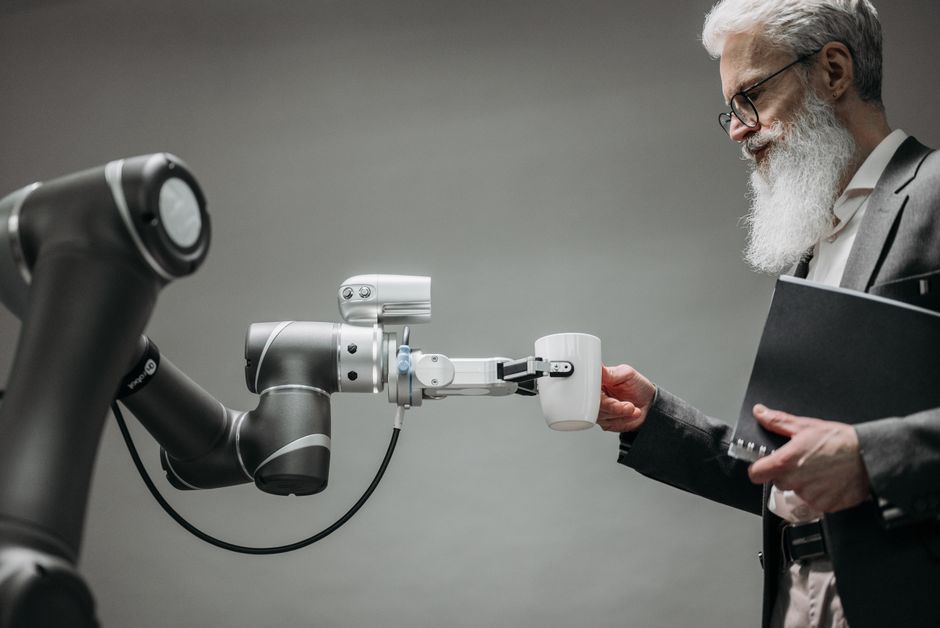
Table of Contents
- The Evolving Landscape of Leadership Development
- Understanding AI in Leadership Development
- Core Applications of AI in Leadership Development Programs
- Benefits of AI-Powered Leadership Development
- Designing and Implementing AI-Powered Leadership Development Programs
- Ethical Considerations and Challenges
- The Future of AI and Leadership Development
The Evolving Landscape of Leadership Development
The world of work is in perpetual motion, and the demands placed on leaders are more complex and dynamic than ever before. For decades, leadership development largely relied on a playbook of classroom training, mentorship programs, and periodic performance reviews. While these methods laid essential groundwork, their inherent limitations are becoming starkly apparent. They often struggle to keep pace with rapid technological shifts, evolving market demands, and the increasing need for personalized growth. The traditional approach can feel static, failing to equip leaders with the real-time, adaptive capabilities crucial for navigating today’s unpredictable business landscape.
Today’s leaders are not just expected to manage; they are called upon to be agile innovators, empathetic coaches, and strategic visionaries. The emphasis has shifted dramatically towards fostering adaptability, resilience, and a data-driven mindset. In an era of constant disruption, the ability to pivot, learn continuously, and make informed decisions based on robust insights is paramount. This burgeoning need for dynamic leadership is precisely where the transformative power of Artificial Intelligence (AI) enters the picture. AI is no longer a futuristic concept; it’s a present-day reality reshaping how we approach every facet of business, from operations and marketing to human resources and, critically, learning and development. This evolution is not just about incremental improvement; it represents a fundamental paradigm shift, offering unprecedented opportunities to elevate leadership capabilities and drive organizational success. This is the core of what we explore in AI-Powered Leadership Development: Your Edge in the Modern Business Arena.
The implications of this evolving landscape are far-reaching. Consider the strategic importance of a well-rounded leadership team, whether it’s for driving sales growth as outlined in Sales Leadership Development Programs: Your Guide, or ensuring robust governance through Board Leadership Development Programs and Non-profit board leadership development. The development pathways for these roles must now integrate new competencies that were once considered niche. For instance, understanding and leveraging AI for performance analytics, as detailed in Tech Leadership for AI-Powered Performance Analytics: Your Blueprint for Success, is becoming a non-negotiable skill. Similarly, the drive for Visionary Leadership Development now necessitates a deep understanding of emerging technologies and their societal impacts.
The integration of AI into HR and L&D functions is accelerating this transformation. AI tools can now analyze vast datasets to identify leadership potential, personalize learning paths, and provide real-time feedback, thereby enhancing the effectiveness of programs designed to cultivate essential skills. This includes specialized areas like Women’s Leadership Skills Development and Women in Tech Leadership: Overcoming Barriers and Driving Innovation, where AI can help tailor interventions to address specific challenges and promote equitable growth. The pursuit of Authentic Leadership Narrative Development: Forge Your Unshakeable Voice can also be augmented by AI-driven insights into communication patterns and audience reception.
Furthermore, the imperative for continuous learning, a cornerstone of Leadership Development Through Lifelong Learning, is amplified by AI. AI-powered platforms can act as personalized learning companions, curating content and suggesting development opportunities based on an individual’s career trajectory, performance data, and evolving organizational needs. This is crucial for fostering Digital Leadership Skills Development, ensuring leaders can effectively navigate and leverage the digital landscape. The impact extends to areas like Public Service Leadership Development: Cultivating Effective Leaders for Impact and even supporting leaders during critical junctures like a CEO Transition: Your Executive Coach as a Leadership & Development Lifeline, by providing data-driven insights and personalized guidance. The overarching theme is a move towards more dynamic, data-informed, and personalized approaches to building the leaders of tomorrow.
- Traditional methods often lack scalability and personalization.
- The need for agile and adaptive leadership is increasing.
- Data-driven insights are becoming crucial for effective decision-making.
- AI is transforming HR and L&D by enabling personalized development paths.
- Continuous learning is essential for leaders in a rapidly changing environment.
Understanding AI in Leadership Development
Understanding Artificial Intelligence (AI) and Machine Learning (ML) is the foundational step to grasping their transformative potential in leadership development. At its core, AI refers to the simulation of human intelligence in machines that are programmed to think and learn. Machine Learning (ML), a subset of AI, focuses on developing algorithms that allow systems to learn from data and make predictions or decisions without explicit programming. In the realm of Learning and Development (L&D), this translates into systems that can analyze vast amounts of data about leader performance, learning preferences, and organizational needs to deliver highly personalized and effective development journeys.
Several key AI technologies are particularly relevant to leadership development. Natural Language Processing (NLP) enables systems to understand, interpret, and generate human language, powering features like AI-driven chatbots for instant feedback, sentiment analysis of team communications, and even personalized coaching through text or voice. Predictive analytics, another crucial area, allows us to forecast future trends and outcomes based on historical data. Imagine predicting which emerging leaders are most likely to succeed in specific roles or identifying individuals at risk of burnout – this is the power of predictive analytics in action. Recommendation engines, familiar from streaming services, are equally valuable in L&D, suggesting relevant courses, mentors, or development resources tailored to an individual’s unique needs and career aspirations. For instance, a recommendation engine could suggest resources for Digital Leadership Skills Development based on a leader’s current role and stated development goals.
It’s important to distinguish between AI-driven tools and AI-powered platforms. AI-driven tools often perform specific, discrete tasks enhanced by AI. Think of an AI tool that analyzes presentation delivery for a leader to provide feedback on pacing and clarity. AI-powered platforms, however, represent a more holistic integration of AI across an entire ecosystem. These platforms leverage AI to connect various aspects of leadership development, from identifying skill gaps and recommending personalized learning paths to facilitating peer coaching and tracking progress on a large scale. An AI-powered platform might integrate predictive analytics to flag potential successors for Board Leadership Development Programs or Non-profit board leadership development, while simultaneously using NLP to analyze feedback from board members. This comprehensive approach offers a significant edge in the modern business arena, as explored in AI-Powered Leadership Development: Your Edge in the Modern Business Arena.
- AI can personalize learning paths based on individual strengths and weaknesses.
- Predictive analytics can identify high-potential leaders early on.
- NLP enables more interactive and responsive feedback mechanisms.
- Recommendation engines curate relevant development content for leaders.
- AI-powered platforms offer a holistic view of leader development across an organization.
The application of these technologies extends across various leadership contexts. For example, in sales, AI can analyze performance data to identify specific areas for improvement, informing Sales Leadership Development Programs: Your Guide. Similarly, for Public Service Leadership Development: Cultivating Effective Leaders for Impact, AI can help analyze citizen feedback and operational data to highlight areas where leadership skills are most critical. The insights gained from AI can also be invaluable in programs focusing on specific demographics or skill sets, such as Women’s Leadership Skills Development or Women in Tech Leadership: Overcoming Barriers and Driving Innovation, by identifying unique challenges and tailoring support accordingly. Ultimately, embracing AI in leadership development is not just about adopting new tools; it’s about a fundamental shift towards more intelligent, data-driven, and personalized approaches to cultivating effective leaders, a crucial element of Leadership Development Through Lifelong Learning.
Core Applications of AI in Leadership Development Programs
The integration of Artificial Intelligence (AI) into leadership development programs is no longer a futuristic concept; it’s a transformative reality. These programs are leveraging AI to create more effective, efficient, and personalized experiences for leaders at all levels, from aspiring supervisors to seasoned executives. Understanding the core applications of AI in this space is crucial for organizations seeking to gain a competitive edge.
One of the most significant contributions of AI is in establishing Personalized Learning Paths. Instead of a one-size-fits-all approach, AI algorithms analyze individual leader’s strengths, weaknesses, career aspirations, and even their learning styles. This allows for the dynamic tailoring of content and development activities. Imagine a program that automatically suggests modules on strategic thinking for a leader identified as needing growth in that area, or recommends specific Sales Leadership Development Programs: Your Guide for individuals on a sales leadership track. This level of customization ensures that development efforts are targeted and impactful, promoting faster skill acquisition and greater engagement.
AI-powered tools are revolutionizing Coaching and Mentoring. Virtual coaches can provide on-demand feedback, guide leaders through complex scenarios, and offer insights derived from vast datasets. Intelligent mentor matching systems go beyond simple demographic pairings, considering personality compatibility, experience levels, and desired growth areas to create truly synergistic relationships. This extends even to specialized areas like Women’s Leadership Skills Development, where AI can identify and connect emerging female leaders with experienced mentors who can offer unique guidance.
Furthermore, AI excels at Skill Gap Analysis and Prediction. By analyzing performance data, 360-degree feedback, and industry trends, AI can pinpoint current skill deficiencies within a leadership team and, more importantly, predict future skill requirements. This foresight allows organizations to proactively develop their leaders, ensuring they are equipped for the challenges of tomorrow. This is particularly vital for roles like those in Board Leadership Development Programs and Non-profit board leadership development, where foresight and adaptability are paramount.
Performance Management Enhancement is another area where AI is making a profound impact. Real-time feedback loops, powered by AI, can provide leaders with immediate, data-driven insights into their behavior and its impact on their teams. This allows for continuous improvement and faster course correction, fostering a culture of ongoing development. For those in technical fields, this can be particularly powerful, as highlighted in Tech Leadership for AI-Powered Performance Analytics: Your Blueprint for Success.
The curation and delivery of learning content are also being transformed. AI algorithms can act as sophisticated librarians, Content Curation and Delivery by recommending relevant articles, courses, case studies, and even micro-learning modules based on a leader’s current development needs and interests. This ensures leaders have access to the most pertinent information, fostering a commitment to Leadership Development Through Lifelong Learning.
Finally, AI opens up new frontiers in Simulation and Gamification. Realistic, AI-driven simulations can place leaders in challenging, yet safe, environments to practice decision-making, conflict resolution, and strategic planning. Gamified elements can enhance engagement and provide clear metrics for progress and achievement, making the learning process more dynamic and enjoyable. This is invaluable for developing skills like Visionary Leadership Development and fostering essential attributes like What is Self-Awareness in Leadership? Benefits & How To.
- Personalized Learning Paths tailored to individual needs.
- AI-Powered Coaching and Mentoring for continuous support.
- Skill Gap Analysis and Prediction for proactive development.
- Performance Management Enhancement with real-time feedback.
- Intelligent Content Curation and Delivery for relevant resources.
- Engaging Simulation and Gamification for practical skill application.
These core applications underscore the power of AI for Leadership Development Programs and offer a glimpse into the future of cultivating effective leaders who can navigate the complexities of the modern business arena, ultimately providing AI-Powered Leadership Development: Your Edge in the Modern Business Arena.
Benefits of AI-Powered Leadership Development
The landscape of leadership development is undergoing a profound transformation, largely driven by the integration of artificial intelligence. Gone are the days of one-size-fits-all training modules. AI-powered platforms are revolutionizing how we cultivate leaders, making development more impactful, efficient, and aligned with the dynamic demands of modern business. This evolution offers a significant edge in the modern business arena.
One of the most compelling benefits is enhanced personalization and engagement. AI algorithms can analyze individual learning styles, existing skill gaps, and career aspirations to create highly tailored development paths. Imagine a program that nudges a budding sales leader towards specific modules on closing techniques based on their performance data, or offers a promising executive opportunities to hone their Visionary Leadership Development skills by simulating complex strategic challenges. This level of bespoke content ensures learning is not only relevant but deeply motivating, fostering a stronger connection to the development process. This personal touch can be particularly beneficial for initiatives like Women’s Leadership Skills Development or specialized programs for Public Service Leadership Development.
Furthermore, AI significantly boosts increased efficiency and scalability. Traditional development programs often struggle to reach a large, geographically dispersed workforce with individualized attention. AI-powered platforms, however, can simultaneously deliver personalized learning experiences to thousands, if not millions, of employees. This democratizes access to high-quality development, ensuring that talent across the organization, from aspiring managers to senior executives, can benefit. This scalability is crucial for large enterprises and for organizations looking to implement consistent Leadership Development in Talent Acquisition strategies.
The bedrock of AI-powered development is data-driven decision making. These systems capture vast amounts of data on learner progress, skill acquisition, and even behavioral changes. This objective data provides invaluable insights into leadership effectiveness, identifies critical development needs at both individual and organizational levels, and allows for the fine-tuning of L&D strategies. For instance, analytics can pinpoint common areas of weakness in Sales Leadership Development Programs: Your Guide, allowing for proactive intervention. This data-centric approach moves beyond anecdotal feedback, enabling a more precise understanding of what works and why. For those focused on governance, this can translate into more effective Board Leadership Development Programs and Non-profit board leadership development by highlighting governance skill gaps.
This focus on data and personalization naturally leads to an improved ROI of L&D initiatives. By understanding which development interventions yield the greatest impact, organizations can optimize their resource allocation, investing in programs that demonstrably enhance leadership capabilities and contribute to business objectives. This moves L&D from a cost center to a strategic investment. Research from institutions like McKinsey & Company consistently highlights the link between effective talent development and business performance.
Finally, AI-powered leadership development is instrumental in fostering future-ready leaders. The pace of change is accelerating, and leaders need to be adaptable, technologically adept, and possess strong Digital Leadership Skills Development. AI can simulate emerging challenges, provide up-to-the-minute insights into technological advancements, and help leaders develop the crucial What is Self-Awareness in Leadership? Benefits & How To and What is Authentic Leadership? required to navigate uncertainty. This continuous learning through Leadership Development Through Lifelong Learning is no longer a nice-to-have but a necessity for survival and growth. This proactive approach ensures leaders are equipped with the foresight needed for Visionary Leadership Development and can harness technologies like those discussed in Tech Leadership for AI-Powered Performance Analytics: Your Blueprint for Success. Ultimately, embracing AI-Powered Leadership Development: Your Edge in the Modern Business Arena is an investment in your organization’s future resilience and success.
Designing and Implementing AI-Powered Leadership Development Programs
Embarking on the journey of integrating AI into leadership development requires a strategic and thoughtful approach. It’s not merely about adopting new technology; it’s about fundamentally reimagining how we cultivate leaders for the future. As detailed in our broader exploration of [AI-Powered Leadership Development: Your Edge in the Modern Business Arena], the potential benefits are substantial, from personalized learning paths to predictive analytics for identifying high-potential individuals. However, successful implementation hinges on meticulous planning and execution.
Assessing Organizational Readiness and Strategic Alignment
Before diving into specific AI tools, a critical first step is a comprehensive assessment of your organization’s readiness. This involves evaluating your current leadership pipeline, identifying key skill gaps, and understanding where AI can provide the most impactful solutions. Crucially, the AI initiative must align with your overarching business strategy. For instance, if your organization is prioritizing [Visionary Leadership Development] to navigate market disruption, the AI-powered program should focus on cultivating foresight, strategic thinking, and adaptability. Similarly, if the goal is to enhance [Sales Leadership Development Programs: Your Guide], AI can personalize coaching for negotiation tactics or customer relationship management. Understanding your strategic imperatives ensures that AI investments are targeted and deliver tangible business outcomes.
Selecting the Right AI Tools and Platforms: Key Considerations and Vendor Evaluation
The landscape of AI solutions for leadership development is rapidly evolving. Choosing the right tools and platforms requires careful consideration of several factors. Key among these are the specific functionalities offered, the platform’s scalability, integration capabilities, and the vendor’s track record. Look for platforms that offer robust data analytics, personalized learning recommendations, simulation capabilities for practicing complex leadership scenarios, and AI-driven coaching modules. Vendor evaluation should extend beyond product features to include their understanding of your industry, their commitment to ongoing support and updates, and their data security protocols. It’s also important to consider how these tools can support specific leadership groups, such as those aimed at [Women’s Leadership Skills Development] or [Board Leadership Development Programs].
Data Strategy: Ensuring Data Quality, Privacy, and Ethical Use
At the heart of any effective AI-powered program lies a strong data strategy. The success of AI algorithms is directly dependent on the quality, relevance, and volume of data available. This necessitates establishing clear protocols for data collection, storage, and cleansing. Equally paramount are robust data privacy and ethical use policies. Given the sensitive nature of leadership development data, including performance reviews and personal development plans, strict adherence to regulations like GDPR is non-negotiable. Transparency with participants about how their data is used and ensuring that AI algorithms are free from bias is crucial for building trust and fostering a positive user experience. This is particularly important when developing programs for diverse leadership groups like [Women Leadership: Progress, Barriers & Development] to avoid perpetuating existing inequalities.
Integration with Existing HR and L&D Systems
Seamless integration with your existing Human Resources (HR) and Learning & Development (L&D) systems is vital for maximizing efficiency and creating a unified employee experience. AI-powered tools should ideally connect with your HR Information System (HRIS), learning management system (LMS), and performance management platforms. This allows for automated data flow, streamlined user onboarding, and a holistic view of employee development. For example, integrating AI with performance analytics platforms can offer insights for [Tech Leadership for AI-Powered Performance Analytics: Your Blueprint for Success]. A well-integrated system reduces manual data entry, minimizes system silos, and provides a single source of truth for leadership development initiatives.
Change Management and Stakeholder Buy-in
Introducing AI into established leadership development processes inevitably requires a robust change management strategy. Without buy-in from key stakeholders, including senior leadership, HR, IT, and crucially, the leaders undergoing development, even the most sophisticated AI solutions can falter. Communication is key. Clearly articulate the ‘why’ behind the AI integration, emphasizing the benefits for both individual leaders and the organization as a whole. Provide ample training and support, address concerns proactively, and celebrate early wins. For programs focused on [Public Service Leadership Development: Cultivating Effective Leaders for Impact], strong stakeholder engagement is paramount due to the unique governance structures and public accountability involved.
Case Study: Enhancing Executive Coaching with AI Analytics
A global financial services firm sought to enhance its executive coaching program, which served senior leaders and aspiring executives across various departments. They partnered with an AI platform that integrated with their existing performance review data and 360-degree feedback systems. The AI analyzed hundreds of thousands of data points to identify recurring themes in leadership strengths and development areas across cohorts. For example, it pinpointed a need for improved [What is Executive Presence? Boost Your Leadership Skills] among a significant segment of their emerging leaders. The platform then provided personalized learning resources and simulated coaching scenarios tailored to these specific needs. Coaches received AI-generated insights prior to sessions, allowing them to focus on higher-value discussions and more targeted interventions. The program also flagged individuals showing potential for [Visionary Leadership Development], prompting proactive engagement from senior mentors.
Pilot Testing and Iterative Improvement
Before a full-scale rollout, pilot testing is an indispensable step. This allows you to test the AI tools, gather user feedback, identify potential glitches, and refine the program design in a controlled environment. Select a diverse group of participants for the pilot, representing different levels and functions within the organization. Collect both quantitative data (e.g., completion rates, assessment scores) and qualitative feedback (e.g., participant surveys, focus groups). Use these insights to make necessary adjustments to the AI algorithms, learning content, and user interface. This iterative approach, rooted in continuous feedback and refinement, ensures that your AI-powered leadership development program evolves to meet the dynamic needs of your organization and its leaders. This iterative process is also fundamental to continuous [Leadership Development Through Lifelong Learning].
Ethical Considerations and Challenges
As we champion the transformative potential of AI in leadership development, a mature perspective demands a candid examination of the ethical landscape and inherent challenges. While AI-Powered Leadership Development: Your Edge in the Modern Business Arena presents compelling advantages, ignoring the potential pitfalls would be irresponsible.
One of the most significant concerns revolves around bias in AI algorithms. AI systems learn from data, and if that data reflects historical societal biases, the AI will perpetuate and even amplify them. This can have a detrimental impact on leadership selection and development. For instance, an AI trained on data where men have historically held more senior roles might inadvertently down-rank equally qualified female candidates. This is particularly critical when considering initiatives like Women Leadership: Progress, Barriers & Development or programs aimed at fostering Women in Tech Leadership: Overcoming Barriers and Driving Innovation. Rigorous auditing of training data and continuous monitoring of AI outputs are essential to mitigate this risk. Organizations must actively seek to de-bias their algorithms to ensure fairness and equity, as discussed in frameworks for AI for Leadership Strategy Development.
Data privacy and security concerns are paramount. AI-powered development often involves collecting and analyzing vast amounts of sensitive employee data, from performance reviews and communication patterns to personality assessments. Robust data protection measures, transparent data usage policies, and adherence to regulations like GDPR are non-negotiable. Employees need to understand what data is being collected, how it’s being used, and have confidence in its security. This is especially relevant when AI is used for functions that might touch upon talent acquisition, such as in Leadership Development in Talent Acquisition Strategy.
We must also acknowledge the role of human interaction and the risk of over-reliance on AI. While AI can provide data-driven insights and personalized development plans, it cannot fully replicate the nuanced understanding, empathy, and mentorship that human leaders offer. The goal should be augmentation, not outright replacement. Over-reliance on AI might lead to a sterile development environment, lacking the crucial element of human connection that fosters trust and drives true growth, particularly in areas like Leadership Development for Team Cohesion or Authentic Leadership Narrative Development: Forge Your Unshakeable Voice. The development of Executive Presence and Self-Awareness in Leadership often thrives on reciprocal feedback and interpersonal dynamics.
Ensuring fairness and equity in AI-driven development requires a proactive and intentional approach. This means not only addressing algorithmic bias but also considering accessibility. Are the AI tools and platforms accessible to all employees, regardless of their technical proficiency or any disabilities? Are the development pathways equitable, offering opportunities to diverse groups, including those in roles like Public Service Leadership Development: Cultivating Effective Leaders for Impact or Non-profit board leadership development?
Finally, we must consider addressing potential job displacement or changes in L&D roles. As AI takes on more analytical and administrative tasks, human L&D professionals will need to adapt. Their roles may shift towards more strategic initiatives, focusing on human-centric aspects of development, ethical oversight of AI, and fostering a culture of Leadership Development Through Lifelong Learning. This evolution is not necessarily about job loss but about job transformation. L&D professionals will become crucial in guiding the ethical integration of AI, much like how Sales Leadership Development Programs: Your Guide require human expertise to tailor strategies effectively.
Case Study: Mitigating Bias in AI-Driven Performance Reviews
A large tech company implemented an AI tool designed to identify high-potential employees for leadership tracks. During an internal audit, it was discovered that the AI was disproportionately recommending male employees, even when female employees had comparable performance metrics and qualitative feedback. The root cause was identified as the AI’s training data, which had a historical imbalance in the representation of women in leadership roles within the company. To rectify this, the L&D team, in collaboration with data scientists, recalibrated the AI by introducing a bias-mitigation layer. They also implemented a human-in-the-loop process where L&D specialists review and validate AI recommendations, particularly for diverse talent pools. This ensured that the AI acted as a powerful assistant rather than an unchecked arbiter, helping to promote equitable opportunities for all, including those in fields like Women in STEM Leadership: Shattering Ceilings and Driving Innovation.
The Future of AI and Leadership Development
The trajectory of leadership development is intrinsically linked with the advancement of artificial intelligence. We are no longer discussing theoretical possibilities but tangible applications that are reshaping how we identify, nurture, and empower our leaders. This isn’t about replacing human intuition; it’s about augmenting it with data-driven insights and personalized development pathways.
One of the most significant shifts is the power of predictive analytics for identifying high-potential leaders. AI algorithms can sift through vast datasets, including performance reviews, project contributions, and even communication patterns, to flag individuals exhibiting the traits and behaviors associated with future success. This moves beyond traditional, often subjective, nomination processes, offering a more objective and forward-looking approach to talent management. This is particularly crucial for programs like Sales Leadership Development Programs: Your Guide, where identifying future sales leaders early can provide a significant competitive advantage.
Furthermore, AI is revolutionizing the development of critical soft skills, particularly AI-driven emotional intelligence development. Through sophisticated natural language processing and sentiment analysis, AI can provide leaders with real-time feedback on their communication style, empathy levels, and ability to navigate complex interpersonal dynamics. Imagine an AI coach that can analyze recorded interactions and offer specific suggestions for improving how you convey feedback or de-escalate conflict. This resonates deeply with the understanding of What is Self-Awareness in Leadership? Benefits & How To, a cornerstone of effective leadership.
The horizon beckons with even more immersive experiences. The metaverse and immersive AI-powered leadership training are poised to create highly realistic simulations where leaders can practice decision-making in high-stakes scenarios without real-world consequences. Picture leading a crisis management team in a virtual emergency, or navigating intricate stakeholder negotiations in a simulated board meeting. This offers a profound opportunity for learning, extending beyond traditional classroom settings and even into areas like Board Leadership Development Programs. The potential for safe experimentation and rapid skill acquisition in these environments is immense.
This era is defined by agility and adaptability. Continuous learning and adaptive leadership frameworks are no longer optional; they are necessities. AI can curate personalized learning paths for leaders, recommending resources, courses, and mentors based on their current skill gaps and future career aspirations. This fosters a culture of Leadership Development Through Lifelong Learning, ensuring leaders remain relevant and effective in a rapidly changing business landscape. This is the essence of what we explored in AI-Powered Leadership Development: Your Edge in the Modern Business Arena.
- AI algorithms analyze performance data to identify high-potential leaders objectively.
- AI-driven tools offer personalized feedback on emotional intelligence and communication.
- Immersive metaverse simulations provide safe environments for practicing leadership skills.
- Continuous learning platforms curated by AI adapt to individual leadership development needs.
- The role of L&D professionals shifts towards strategic AI integration and human-centric coaching.
Finally, we must consider the evolving role of the L&D professional in an AI-augmented world. Our focus shifts from being content creators to being strategic architects of AI-powered development ecosystems. We become facilitators, curators, and ethical guardians, ensuring that AI tools are used to enhance, rather than detract from, the human elements of leadership. This involves understanding the nuances of AI for Leadership Development Programs and how to best leverage these technologies to foster genuine growth and impact, including supporting critical areas like Women’s Leadership Skills Development. The future of leadership development is undeniably intertwined with AI, promising a more intelligent, personalized, and effective approach to cultivating tomorrow’s leaders.
Featured image by Pavel Danilyuk on Pexels