Leadership Strategies for Employee Retention

Table of Contents
- Building a Foundation of Trust and Psychological Safety
- Empowering Employees Through Autonomy and Growth
- Cultivating a Culture of Recognition and Appreciation
- Prioritizing Employee Well-being and Work-Life Balance
- Effective Communication and Feedback Loops
- Fostering a Sense of Belonging and Inclusion
- Developing Adaptable Leadership in a Changing Landscape
Building a Foundation of Trust and Psychological Safety
The bedrock of any enduring employee relationship is trust. When employees trust their leaders and the organization, their loyalty and commitment deepen significantly, extending far beyond a transactional exchange of work for pay. This trust is the invisible glue that holds teams together, fostering a sense of shared purpose and encouraging discretionary effort. Without it, even the most robust compensation packages and innovative benefits can’t prevent talent from seeking opportunities elsewhere. This is particularly true in roles requiring high degrees of collaboration and shared knowledge, much like those found in Supply Chain Optimization Leadership: Strategies for a Resilient Future or demanding Sales Team Leadership Strategies.
Fostering open communication and transparency is paramount to building this trust. Leaders must cultivate an environment where information flows freely, both up and down the hierarchy. This means proactively sharing company updates, explaining the rationale behind decisions, and being upfront about challenges. Regular town halls, transparent reporting, and accessible leadership can demystify organizational processes and build confidence. When employees feel they are "in the loop," they are more likely to feel valued and respected, a key component of Gen Z employee engagement strategies and crucial for overall retention.
Equally vital is creating an environment where employees feel psychologically safe to express their ideas and concerns without fear of retribution. This means actively encouraging diverse perspectives, listening attentively to feedback, and responding constructively, even to criticism. When individuals feel their voice is heard and valued, they are more likely to take initiative, offer innovative solutions, and contribute to a positive work culture. This safety net allows for more effective Virtual Team Collaboration Strategies and is a cornerstone of Mastering Chaos: Adaptive Leadership Strategies for Volatile Environments.
It’s also critical to recognize and actively address microaggressions. These subtle, often unintentional, slights can erode trust and create a hostile atmosphere over time, impacting employee morale and retention. Leaders must be educated on what constitutes a microaggression and empowered to intervene swiftly and effectively. This includes fostering an inclusive culture where everyone feels respected and valued, regardless of their background. Failing to address these issues can have a detrimental effect, making it difficult to implement effective Employee Onboarding: Boost Retention & Productivity strategies, as new hires may quickly become disillusioned. Addressing microaggressions is a fundamental aspect of promoting Women’s Leadership Skills Development and creating equitable environments for all professionals, including those in Women in Tech Leadership: Overcoming Barriers and Driving Innovation. For a deeper understanding of creating a truly supportive workplace, explore resources on Workplace Mediation Strategies: Your Guide to Conflict Resolution. According to research from Catalyst, organizations with more women in leadership roles tend to report higher levels of innovation and employee engagement, underscoring the importance of inclusive environments.
Empowering Employees Through Autonomy and Growth
In today’s dynamic business landscape, retaining top talent hinges not just on competitive compensation, but on fostering an environment where employees feel valued, challenged, and have a clear vision for their future. At the heart of this lies the principle of empowering employees through autonomy and growth. This two-pronged approach is crucial for cultivating loyalty and driving sustained engagement.
Granting employees a degree of control over their work is paramount. When individuals have the freedom to make decisions about how and when they complete tasks, it signals trust and respect. This autonomy fosters a sense of ownership, leading to increased accountability and a more invested workforce. Imagine a project manager who, rather than being micromanaged, is given clear objectives and the latitude to determine the most effective execution strategies. This not only boosts their personal satisfaction but also allows them to leverage their unique skills and insights, much like effective Supply Chain Optimization Leadership: Strategies for a Resilient Future requires adapting plans to real-time conditions. This empowerment is especially critical in roles that demand initiative, such as in Sales Team Leadership Strategies, where understanding customer needs often requires flexible approaches.
Delegation is a powerful, yet often underutilized, tool for both skill development and engagement. By entrusting employees with responsibilities that stretch their capabilities, leaders provide invaluable learning opportunities. This isn’t about offloading undesirable tasks; it’s about strategic development. When an employee is delegated a challenging assignment, they gain new skills, build confidence, and feel their potential is recognized. This practice aligns directly with the concept of Leadership Execution Strategies, ensuring that work is not only assigned but also effectively developed through the team. For instance, a junior analyst might be given the lead on a small research project, providing them with experience in data interpretation and client interaction, which are vital for future leadership roles. This also offers an opportunity for leaders to practice Leadership Time Blocking: Advanced Strategies for C-Suite Productivity by carving out dedicated time for meaningful delegation and feedback.
Beyond daily responsibilities, providing clear pathways for career advancement and professional development is a non-negotiable for retention. Employees want to know that their tenure with an organization can lead to growth. This means establishing transparent promotion criteria, offering opportunities for further education or certifications, and creating defined career ladders. A well-structured Employee Onboarding: Boost Retention & Productivity process should lay the groundwork for these conversations from day one. When employees see a future for themselves within the company, their commitment deepens, moving beyond mere transactional employment. This is a core tenet of Beyond Paychecks: Leadership Development for Unshakeable Employee Loyalty.
Complementing these formal structures are mentorship and coaching programs. These initiatives provide personalized support, helping employees navigate challenges, hone their skills, and align their aspirations with organizational goals. A seasoned mentor can offer invaluable guidance, drawing from their own experiences, while a coach can facilitate self-discovery and action planning. These programs are particularly impactful for emerging leaders and diverse talent pools, such as those identified in articles on Women’s Leadership Skills Development and Women in Tech Leadership: Overcoming Barriers and Driving Innovation.
Case Study: Fostering Innovation Through Autonomy at TechStart Solutions
TechStart Solutions, a fast-growing software development firm, was experiencing a concerning rate of attrition among its skilled engineers. Recognizing this, leadership implemented a new initiative focused on empowering their technical teams. Instead of rigid task assignments, engineers were given greater autonomy in choosing projects that aligned with their interests and expertise, provided these projects contributed to the company’s strategic objectives. This shift was complemented by a robust internal training program and a mentorship scheme pairing senior engineers with junior colleagues. The results were striking: within the first year, employee retention increased by 15%, innovation surged with several new product features emerging directly from these empowered teams, and overall team morale saw a significant boost. This case illustrates the tangible benefits of granting control and investing in employee growth.
Ultimately, fostering an environment of autonomy and growth is not just a retention strategy; it’s a fundamental aspect of effective leadership. It cultivates a workforce that is not only more likely to stay but also more engaged, innovative, and committed to the organization’s success. For leaders navigating complex environments, understanding these principles can be as critical as mastering Remote Leadership Challenges & Communication Strategies or Mastering Chaos: Adaptive Leadership Strategies for Volatile Environments.
Cultivating a Culture of Recognition and Appreciation
The engine of any successful organization is its people. Yet, too often, leaders overlook a fundamental driver of employee engagement and retention: genuine recognition and appreciation. It’s not just about a pat on the back; it’s about tapping into deep-seated psychological needs that fuel loyalty and drive.
The Psychological Resonance of Feeling Valued
At its core, feeling valued is about belonging and purpose. When employees are recognized for their contributions, it validates their efforts, reinforcing their sense of self-worth and their role within the team. This positive reinforcement acts as a powerful motivator, boosting morale and fostering a more engaged workforce. Conversely, a lack of appreciation can lead to feelings of invisibility and disengagement, pushing valuable talent to seek opportunities elsewhere. This is particularly relevant in fast-paced environments, like those demanding Supply Chain Optimization Leadership: Strategies for a Resilient Future, where individual contributions are critical to overall success.
Crafting Effective Recognition Programs
Recognition shouldn’t be an afterthought; it requires a strategic approach. This involves a blend of formal and informal initiatives. Formal programs might include awards for outstanding performance, peer-to-peer recognition platforms, or bonuses tied to specific achievements. However, the often-underestimated power of informal recognition can be equally, if not more, impactful. A simple, timely "thank you" for going the extra mile, acknowledging a difficult problem solved, or celebrating a small win can make a world of difference. For teams operating remotely, where spontaneous interactions are less frequent, establishing clear channels for informal appreciation becomes even more vital. Leaders grappling with Remote Leadership Challenges & Communication Strategies should prioritize digital avenues for celebrating successes.
The Art of Timely and Specific Feedback
The effectiveness of recognition hinges on its timeliness and specificity. Generic praise, while better than nothing, lacks the impact of feedback that clearly articulates what was done well and why it mattered. For instance, instead of saying "Good job," try "Sarah, I was really impressed with how you navigated that complex client negotiation yesterday. Your ability to de-escalate the situation and find a mutually beneficial solution directly contributed to securing that renewal." This level of detail reinforces desired behaviors and demonstrates a leader’s attentiveness. This principle is a cornerstone of effective Sales Team Leadership Strategies, where recognizing specific sales wins and effective client engagement is crucial.
Consider this a crucial element of your retention toolkit:
- Implement a “Kudos Board” (digital or physical) for peer-to-peer appreciation.
- Schedule regular “wins” celebrations during team meetings.
- Encourage managers to dedicate 10-15 minutes in one-on-one meetings to acknowledge specific accomplishments.
- Create a system for nominatiing individuals or teams for significant contributions.
- Ensure recognition is inclusive and acknowledges diverse contributions, not just those that are easily quantifiable.
Aligning Recognition with Performance and Values
True recognition goes beyond simply acknowledging effort; it connects individual contributions to broader organizational goals and values. When an employee’s actions exemplify company principles, such as innovation, collaboration, or customer focus, highlighting this alignment reinforces the desired culture. This strategic approach not only motivates the individual but also educates the rest of the team on what behaviors are truly valued. This practice is fundamental to effective Leadership Execution Strategies, ensuring that daily actions contribute to the overarching mission. Research consistently shows that employees who feel their work is meaningful and recognized are more likely to stay with an organization. A study by Gallup, for instance, found that employees who receive regular recognition are significantly more engaged and less likely to quit. This underscores that recognition is not a discretionary perk, but a strategic investment in Beyond Paychecks: Leadership Development for Unshakeable Employee Loyalty.
Prioritizing Employee Well-being and Work-Life Balance
The adage "healthy employees are happy employees" is more than just a platitude; it’s a foundational principle of sustainable talent retention. The direct correlation between an employee’s sense of well-being and their overall job satisfaction cannot be overstated. When individuals feel physically and mentally supported, they are more likely to be engaged, productive, and loyal. Conversely, environments that neglect well-being often see higher rates of disengagement, absenteeism, and ultimately, turnover.
Promoting mental and physical health in the workplace requires a multi-faceted approach. This can involve offering comprehensive wellness programs that include access to mental health resources like counseling services, stress management workshops, and mindfulness training. Physically, encouraging movement through initiatives like subsidized gym memberships, ergonomic assessments, or even walking meetings can make a significant difference. These are not merely perks; they are investments in your human capital, signaling to your team that their overall health is a genuine priority.
In today’s evolving work landscape, flexible work arrangements have become a cornerstone of employee retention. Whether it’s remote work, hybrid models, or adjusted hours, offering autonomy over where and when work gets done can dramatically improve work-life balance. This flexibility acknowledges that employees have lives outside of their professional roles and empowers them to integrate work more seamlessly. For leaders navigating these new paradigms, mastering Remote Leadership Challenges & Communication Strategies is paramount to ensuring these arrangements are successful for both individuals and the business.
Ultimately, leadership plays a crucial role in setting boundaries and preventing burnout. This starts with modeling healthy behaviors. Leaders who consistently work late, send emails at all hours, and rarely take time off inadvertently signal that this is the expected norm. Conversely, leaders who proactively communicate their own boundaries, encourage breaks, and champion a culture where disconnecting is not only acceptable but encouraged, create a more sustainable and supportive environment. This proactive approach to Leadership Productivity Strategies ensures that efficiency doesn’t come at the cost of well-being. For leaders striving to manage their own workloads, exploring Leadership Time Blocking: Advanced Strategies for C-Suite Productivity can provide a framework for disciplined time management that respects personal boundaries. It’s about fostering a culture where individuals feel empowered to prioritize their well-being, knowing that their commitment to their roles is valued, but their personal health is equally paramount. This aligns with the broader principle of Beyond Paychecks: Leadership Development for Unshakeable Employee Loyalty, which emphasizes that true loyalty is built on more than just compensation.
Effective Communication and Feedback Loops
In today’s dynamic business landscape, where challenges can emerge with astonishing speed, a leader’s ability to foster robust communication and create effective feedback loops is paramount to employee retention. It’s not simply about talking at your team; it’s about creating a two-way street where information flows freely, concerns are addressed, and individuals feel seen and valued. This level of engagement directly combats the root causes of disengagement and ultimately, attrition.
The Power of Regular, Constructive One-on-One Meetings
The cornerstone of strong communication lies in the regular, dedicated one-on-one meeting. These aren’t status updates; they are opportunities for deep connection. During these sessions, leaders can provide constructive feedback, acknowledging achievements while gently guiding areas for improvement. This consistent dialogue allows for early intervention when an employee is struggling or feeling undervalued, preventing small issues from snowballing into significant retention risks. For remote teams, these one-on-ones are even more critical, bridging geographical divides and ensuring everyone feels connected. Explore our insights on Remote Leadership Challenges & Communication Strategies for practical tips.
Harnessing the Wisdom of 360-Degree Feedback
To truly understand an individual’s development needs and perceptions, a broader perspective is invaluable. Implementing 360-degree feedback – gathering insights from peers, subordinates, and supervisors – provides a holistic view of an employee’s strengths and weaknesses. This multi-faceted approach not only aids in targeted development plans but also demonstrates a commitment to growth from all angles. It’s a powerful tool for fostering a culture of continuous improvement, ensuring that development efforts are comprehensive and impactful.
Case Study: Revitalizing a Stagnant Sales Team
A mid-sized B2B company was experiencing a concerning turnover rate within its sales department. Recognizing the need for a more engaged and supported team, leadership implemented a robust communication strategy. This included weekly team huddles to align on goals, bi-weekly one-on-one coaching sessions focused on skill development and career aspirations, and a new system for collecting anonymous feedback. Crucially, leaders also began clearly articulating the company’s overarching vision and demonstrating how each salesperson’s efforts directly contributed to achieving broader objectives, such as achieving specific targets in Supply Chain Optimization Leadership: Strategies for a Resilient Future. Within six months, the turnover rate dropped by 40%, and team morale and performance saw a significant uptick, validating the impact of focused communication and feedback in Sales Team Leadership Strategies.
Actively Listening: The Unspoken Dialogue
Beyond scheduled meetings, true retention hinges on a leader’s ability to actively listen to employee concerns and suggestions. This means creating an environment where employees feel safe to voice their opinions, challenges, and innovative ideas without fear of reprisal. It involves paying attention not just to what is said, but also to what is not said. Empathetic listening, combined with a genuine commitment to act on feedback where feasible, builds immense trust and loyalty. This is especially crucial in volatile environments where adapting to new information is key to survival, as highlighted in our exploration of Mastering Chaos: Adaptive Leadership Strategies for Volatile Environments. For younger generations entering the workforce, understanding these nuanced communication styles is vital for effective engagement. Read more about Gen Z employee engagement strategies.
Connecting Individual Roles to the Bigger Picture
Employees are far more likely to remain committed when they understand how their individual roles contribute to the company vision. Leaders must consistently communicate this larger purpose, translating strategic objectives into tangible outcomes for each team member. When employees see the direct impact of their work on the organization’s success, they develop a deeper sense of ownership and pride. This clarity helps employees understand their value, fostering a strong connection to the company’s mission and making them less susceptible to external opportunities. A well-executed onboarding process also plays a critical role in setting this foundation; explore Employee Onboarding: Boost Retention & Productivity for more. Ultimately, consistent, transparent, and empathetic communication forms the bedrock of a thriving, loyal workforce. For leaders looking to enhance their communication skills, dedicating time for focused development is essential, aligning with principles of Leadership Productivity Strategies.
Fostering a Sense of Belonging and Inclusion
A truly engaged workforce is one that feels deeply connected to their organization, their colleagues, and their shared purpose. At the heart of this connection lies a robust sense of belonging and inclusion. When employees feel seen, heard, and valued for their unique contributions, their commitment and willingness to go the extra mile skyrocket. This directly translates to higher retention rates, as individuals are far less likely to seek opportunities elsewhere when they feel they are an integral part of a supportive community. An inclusive culture isn’t just a buzzword; it’s a strategic imperative for sustainable success, impacting everything from innovation to operational efficiency. Think about the complex logistical challenges addressed in Supply Chain Optimization Leadership: Strategies for a Resilient Future; even in such technical fields, the human element of collaboration and trust fostered by inclusion is paramount.
Building strong team cohesion and camaraderie requires deliberate effort. This goes beyond simply assigning tasks; it’s about cultivating an environment where individuals feel safe to express ideas, take calculated risks, and even admit mistakes without fear of reprisal. Leaders play a pivotal role in setting this tone. Encouraging open dialogue, actively listening to diverse perspectives, and celebrating collective wins are foundational. For Sales Team Leadership Strategies, for instance, fostering a sense of shared mission and mutual support among team members can be as critical as individual performance metrics.
Promoting diversity and equity across all facets of the workplace is non-negotiable. This means actively seeking out a variety of backgrounds, experiences, and viewpoints, and ensuring that all employees have equitable opportunities for growth and advancement. It’s about dismantling systemic barriers and creating a level playing field where talent can truly flourish. This isn’t just about compliance; it’s about leveraging the power of diverse thinking to drive innovation and better understand a global customer base. As noted by Harvard Business Review, diverse teams are proven to be more innovative and deliver better financial results.
Creating dedicated opportunities for social interaction and team building is a powerful retention tool. Whether it’s through volunteer days, cross-departmental projects, or simply encouraging colleagues to connect on a personal level, these initiatives build trust and understanding. When employees feel a genuine connection to their colleagues, they are more likely to feel invested in the organization’s success and less inclined to leave. This extends to ensuring that employee onboarding processes are designed not just for task orientation but also for cultural integration, as detailed in Employee Onboarding: Boost Retention & Productivity. Ultimately, fostering a sense of belonging and inclusion is an ongoing commitment, requiring consistent effort and authentic leadership.
Developing Adaptable Leadership in a Changing Landscape
The modern workforce is a dynamic entity, and leading effectively within it demands a shift from rigid command-and-control structures to something far more fluid and responsive. The expectations of today’s employees, particularly younger generations like Gen Z, extend well beyond a paycheck and traditional benefits. They seek purpose, growth, flexibility, and a genuine sense of belonging. As a seasoned leader, recognizing and adapting to these evolving expectations is not just good practice; it’s fundamental to long-term employee retention. This requires a leadership approach that embraces adaptability, champions continuous learning, and actively seeks feedback to refine strategies.
Navigating periods of significant change and uncertainty, which are increasingly the norm, requires a delicate balance of decisiveness and empathy. Think about the rapid shifts we’ve seen in areas like Supply Chain Optimization Leadership: Strategies for a Resilient Future, or the constant evolution required in Sales Team Leadership Strategies. In such environments, leaders who can project calm, provide clear communication, and demonstrate genuine understanding of their team’s challenges are invaluable. This isn’t about ignoring problems, but about acknowledging the human element within them. For leaders managing distributed teams, understanding Remote Leadership Challenges & Communication Strategies becomes paramount, as does fostering a sense of connection despite physical distance. Embracing Vulnerability in Leadership: Your Unseen Strategic Advantage can foster trust and psychological safety, creating an environment where employees feel empowered to voice concerns and contribute ideas, rather than simply endure change. This aligns with the principles of Mastering Chaos: Adaptive Leadership Strategies for Volatile Environments.
The imperative for leaders to be lifelong learners cannot be overstated. The skills that were effective a decade ago may be obsolete today. This includes developing a deeper understanding of areas like Gen Z employee engagement strategies, honing Women’s Leadership Skills Development to foster greater inclusion and leverage diverse perspectives, and continuously refining Leadership Productivity Strategies. This commitment to self-improvement should extend to mastering techniques like Leadership Time Blocking: Advanced Strategies for C-Suite Productivity, ensuring that strategic initiatives, like Employee Onboarding: Boost Retention & Productivity, receive the dedicated focus they deserve. As highlighted by the Harvard Business Review, the most effective leaders are those who actively seek out opportunities for growth and development, recognizing that their own learning directly impacts their team’s success and their organization’s ability to retain top talent.
- Actively solicit feedback on leadership effectiveness from direct reports and peers.
- Track key retention metrics (e.g., voluntary turnover rates, employee satisfaction scores) and analyze them in relation to leadership initiatives.
- Conduct regular pulse surveys to gauge employee sentiment and identify potential retention risks early.
- Be prepared to pivot leadership strategies based on data and qualitative feedback, demonstrating agility and responsiveness.
- Invest in training and development programs that equip leaders with the skills needed to manage in complex and evolving environments, building upon resources like Beyond Paychecks: Leadership Development for Unshakeable Employee Loyalty.
- Encourage open dialogue about challenges and successes, fostering a culture of continuous improvement and Leadership Execution Strategies.
Ultimately, developing adaptable leadership in this changing landscape is an ongoing journey. It requires a commitment to understanding your people, a willingness to evolve your own approach, and a constant eye on the data that tells you whether your strategies are truly resonating and fostering a workplace where employees want to stay and thrive. This mindful approach to leadership development can lead to greater employee loyalty and a more resilient organization overall, as discussed in articles examining What is Authentic Leadership? and the impact of What is Self-Awareness in Leadership? Benefits & How To.
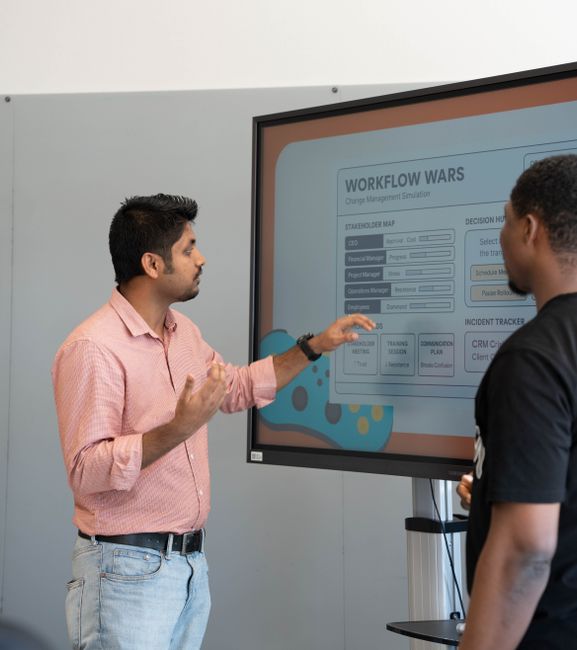
Featured image by RDNE Stock project on Pexels