Change Management Strategies for Leaders
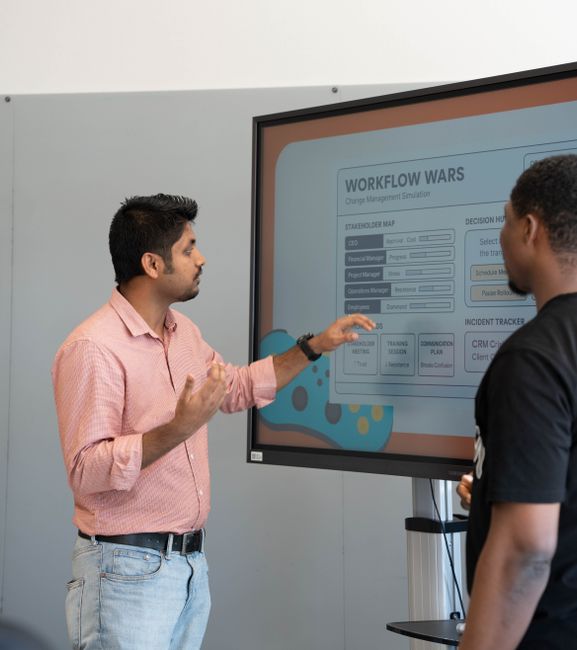
Table of Contents
- Understanding the Landscape of Change
- Assessing Readiness for Change
- Developing a Clear Change Vision and Strategy
- Building a Coalition for Change
- Effective Communication Strategies
- Empowering and Enabling Employees
- Managing Resistance and Overcoming Obstacles
- Reinforcing and Sustaining the Change
- The Leader’s Role in Continuous Improvement
Understanding the Landscape of Change
In today’s relentless business landscape, where disruption is the norm rather than the exception, understanding and adeptly managing change isn’t just a desirable skill – it’s a fundamental prerequisite for organizational survival and growth. Change management, at its core, is the systematic approach to dealing with the transition or transformation of an organization’s goals, values, processes, or technologies. It’s about guiding individuals, teams, and the entire organization from a current state to a desired future state, minimizing disruption and maximizing the positive outcomes. Without a strategic approach to change, even the most brilliant innovations can falter, and well-intentioned initiatives can lead to significant operational chaos.
Organizations navigate a spectrum of changes, each presenting unique challenges. These can range from profound strategic shifts, like pivoting to a new market or redefining a business model, to structural realignments, such as mergers, acquisitions, or reorganizations. Then there are the ubiquitous technological advancements, from implementing new software systems to embracing AI, which often necessitate significant upskilling and process redesign. Perhaps the most complex, and often the most impactful, is cultural change, which involves altering deeply ingrained behaviors, beliefs, and values. Each of these requires a distinct set of considerations and a tailored approach to successfully embed within the organizational fabric.
It’s a truism in business that people resist change. This resistance isn’t born of malice but stems from a complex interplay of factors. Fear of the unknown, concern over job security, a perceived loss of control, or a lack of understanding about the benefits are common culprits. Individuals may feel their existing skills are becoming obsolete, or they may simply be comfortable with the status quo. Recognizing these deeply ingrained psychological responses is the first step in overcoming them. As outlined in the psychology of change management in business, understanding these human elements is crucial. Unconscious biases can also play a significant role, leading individuals to favor familiar routines or reject new ideas without rational consideration, making Unconscious Bias Mitigation: Essential Strategies for Today’s Leaders a vital component of any change initiative.
This is where leadership becomes paramount. Leaders are not merely spectators of change; they are its architects and champions. Their role is to not only envision the future state but also to inspire, communicate, and guide their teams through the often turbulent process of getting there. This requires exceptional communication skills, empathy, and the ability to foster trust. Effective leaders articulate a clear vision, manage expectations, provide necessary resources, and, crucially, model the desired behaviors. They understand that change is not a one-time event but an ongoing journey, often requiring continuous adjustment and learning. Strategic planning and leadership are inextricably linked when it comes to driving successful change initiatives, as highlighted in Strategic Planning & Leadership for Change Initiatives. Furthermore, navigating the inevitable conflicts that arise during periods of transition demands proficiency in Leadership strategies for resolving workplace conflict. Ultimately, leadership in change management is about fostering an environment where adaptation is not only accepted but embraced as a catalyst for progress. This necessitates a proactive approach, much like the disciplined application found in Time Management Strategies for Leaders or Leadership Time Management Strategies.
Assessing Readiness for Change
Before embarking on any significant organizational shift, a robust assessment of readiness is not merely advisable – it’s foundational. This proactive step allows leaders to anticipate challenges, marshal resources effectively, and significantly increase the probability of successful adoption. It’s about understanding the landscape before you begin to map the terrain of change.
The first critical step is conducting a thorough assessment of the organization’s current state. This involves looking beyond surface-level metrics and diving deep into operational processes, technological infrastructure, and, crucially, the prevailing culture. Understanding where you are today – your strengths, weaknesses, existing capacity, and the underlying dynamics – provides the essential baseline for any proposed transformation. Are there existing [Technical Debt Management for Leaders: A Strategic Imperative] that might hinder new system adoption? Are current workflows optimized, or ripe for [Process Improvement: Strategies for Leaders]? This comprehensive view informs the strategic direction and helps avoid missteps that could derail the entire initiative.
Next, it’s vital to evaluate the potential impact of the proposed change on different stakeholders. Every individual and team within the organization will experience the change differently. Employees on the front lines might worry about job security or new skill requirements, while middle management might grapple with altered reporting structures. Senior leadership needs to consider the impact on investors, customers, and even supply chain partners, especially in large-scale shifts like those involving [Supply Chain Management Leadership]. Acknowledging these varied perspectives allows for tailored communication and support strategies, fostering buy-in rather than resistance. Failing to consider these ripple effects can lead to unexpected resistance and derail even the most well-intentioned plans.
This leads directly into identifying potential barriers and enablers for the change initiative. Barriers can be tangible, such as outdated technology or insufficient budget, or intangible, like fear of the unknown, resistance to new processes, or deeply ingrained organizational habits. Conversely, enablers might include strong leadership commitment, a history of successful change, or a workforce that demonstrates high [Learning Agility for Leaders: Master Change, Drive Growth]. Recognizing these elements upfront allows you to strategically address obstacles and leverage existing strengths. For instance, if historical resistance to change is identified, developing robust [Leadership strategies for resolving workplace conflict] becomes paramount.
Finally, and perhaps most critically, you must gauge employee sentiment and current capacity for adaptation. This is where the human element of change management truly shines. Are employees feeling overwhelmed by recent initiatives, or do they possess the psychological resilience and skills to embrace something new? Surveys, focus groups, and one-on-one conversations can provide invaluable insights into this. Understanding the current emotional temperature and the workforce’s ability to absorb new information and adapt is crucial. This includes an awareness of [Unconscious Bias Mitigation: Essential Strategies for Today’s Leaders], as biases can inadvertently create a less receptive environment for change. A workforce that feels heard and understood is more likely to be engaged and willing to contribute to the change process. Effective leaders understand that [Motivational Leadership Strategies] and clear communication are key to building this capacity.
FAQ: What are common indicators of low change readiness?
Common indicators of low change readiness include widespread cynicism or apathy, a high rate of absenteeism or turnover during the planning stages, increased grumbling and resistance in informal channels, a lack of clear understanding about the proposed change’s purpose, and a perception that current resources (time, budget, personnel) are already stretched too thin. Leaders might also observe a decline in overall productivity or a reluctance to participate in change-related activities.
FAQ: How can leaders effectively measure stakeholder impact?
Measuring stakeholder impact requires a multi-faceted approach. This can involve quantitative methods like analyzing projected resource allocation shifts, changes in workflow efficiency metrics, or potential financial implications for different departments. Qualitatively, it involves conducting stakeholder interviews, running focus groups to gather direct feedback, and mapping out communication flows to understand how information will be received and interpreted by various groups. Understanding the potential for [Leadership conflict management strategies] to arise from perceived negative impacts is also a key consideration.
Developing a Clear Change Vision and Strategy
At the heart of any successful transformation lies a compelling and clearly articulated vision. As leaders, your primary role in change management is to paint a vivid picture of the future state – not just what the organization will look like, but why this change is necessary and the positive impact it will have. This isn’t about vague aspirations; it’s about creating a north star that guides every decision and action. A well-defined vision instills purpose and fosters buy-in by connecting the change to tangible benefits for individuals and the organization as a whole.
To translate this vision into reality, you must establish specific, measurable, achievable, relevant, and time-bound (SMART) objectives. These objectives break down the larger vision into manageable chunks, providing clear targets for progress. Without SMART goals, a vision remains an abstract ideal, difficult to track and even harder to achieve. This rigorous approach to objective setting is a cornerstone of effective Performance Management Strategies for Leaders.
Once objectives are defined, mapping out the key phases and milestones of the change process becomes paramount. This roadmap provides clarity on the journey ahead, outlining the sequence of events, critical dependencies, and expected outcomes at each stage. Understanding the different phases of Organizational Change: Dynamics, Phases & Leadership can help you anticipate challenges and allocate resources effectively. This granular planning is where detailed thinking about Time Management Strategies for Leaders becomes critical, ensuring that the pace of change is sustainable and well-managed. Consider how Leadership Time Blocking: Advanced Strategies for C-Suite Productivity can be applied to dedicate focused time to managing the change initiatives.
Crucially, the entire change strategy must be meticulously aligned with overarching organizational goals. A change initiative that pulls in a different direction from the company’s core mission or strategic imperatives is destined for failure. This alignment ensures that the change is not an isolated event but an integrated step forward that strengthens the organization’s overall position. This strategic alignment is deeply rooted in robust Strategic Planning & Leadership for Change Initiatives.
FAQ: How do I ensure my change vision is compelling enough to motivate employees?
A compelling vision is grounded in authenticity and shared values. Connect the change to the “why” – the underlying purpose and the positive impact it will have on the organization and its people. Use storytelling, real-world examples, and open communication to illustrate the benefits. Involve employees in the visioning process where possible; co-creation fosters a sense of ownership. Regularly reiterate the vision through various channels and ensure your actions consistently reflect it. For inspiration on this, consider how Motivational Leadership Strategies can be leveraged.
FAQ: What are the biggest pitfalls in setting SMART objectives for change initiatives?
Common pitfalls include making objectives too vague (lacking measurability), setting unrealistic targets (lack of achievability), failing to connect them back to the overall change vision (lack of relevance), and not assigning clear deadlines (lack of time-bound). For instance, a poorly defined objective might be “Improve customer satisfaction.” A SMART version could be “Increase our Net Promoter Score (NPS) from X to Y by the end of Q3 by implementing Z customer service training program, as tracked by our CRM system.” This level of detail prevents ambiguity and provides a clear path for evaluation. Remember that effective Process Improvement: Strategies for Leaders often relies heavily on this objective-setting discipline.
Building a Coalition for Change
No significant organizational transformation happens in a vacuum. To effectively navigate the often turbulent waters of change, leaders must build a robust coalition—a powerful, unified group that champions the initiative and drives adoption across the organization. This coalition acts as a critical force multiplier, ensuring that the message resonates, concerns are addressed, and momentum is sustained.
The first step in building this influential group is identifying and engaging key influencers and champions across the organization. These are not necessarily the individuals with the highest formal titles, but rather those who possess credibility, respect, and a strong network. Look for individuals who are naturally persuasive, have a keen understanding of the organizational dynamics, and are perceived as trustworthy by their peers. These individuals often have a deep understanding of the psychology of change management in business and can articulate the "why" behind the change in a compelling way. Identifying these potential champions requires careful observation and active listening within your existing organizational structures.
Once identified, it’s crucial to formalize this group by forming a dedicated change leadership team or task force. This team should be more than just a casual advisory group; it should be empowered to actively lead the change effort. This team will be responsible for developing detailed action plans, communicating progress, gathering feedback, and addressing roadblocks. Effective delegation and clear roles within this team are paramount, and leaders should leverage Time Management Strategies for Leaders to ensure this critical group is not overloaded.
To ensure the change initiative truly takes root, broad representation from different departments and levels is essential. A coalition that reflects the diversity of the organization’s workforce is more likely to anticipate and address a wider range of challenges and perspectives. This ensures that the change doesn’t feel like an imposition from the top but rather a collective effort. For example, including representatives from front-line staff, middle management, and various functional areas—such as operations, HR, and IT—will provide a richer understanding of the potential impact and facilitate more effective buy-in. This cross-functional approach is also vital for addressing potential leadership conflict management strategies that may arise as different departments grapple with new processes or priorities.
Finally, and perhaps most critically, securing executive sponsorship and visible commitment is non-negotiable. The change coalition needs the unwavering support of senior leadership. This means not just a nod of approval, but active, visible participation. Executives must communicate the vision, allocate resources, remove obstacles, and consistently reinforce the importance of the change. Their commitment signals to the entire organization that this transformation is a priority and provides the legitimacy necessary for the coalition to exert influence. Without this top-tier backing, even the most well-intentioned change efforts can falter. This visible commitment can be a powerful tool for overcoming resistance and fostering Team Cohesion Strategies for Leaders.
Case Study: Digital Transformation at “InnovateTech”
InnovateTech, a mid-sized software company, embarked on a significant digital transformation initiative to modernize its core product suite and improve customer experience. The leadership team, recognizing the need for broad support, first identified key individuals within engineering, customer support, and marketing who had a reputation for being open to new ideas and highly respected by their peers. These individuals formed the core of the change leadership team. Crucially, the CEO and CTO actively participated in all coalition meetings, not only providing strategic direction but also sharing personal stories of how the new technologies would benefit the company and its employees. This visible executive sponsorship, coupled with clear communication from the coalition about progress and addressing concerns, helped to overcome initial skepticism and drive widespread adoption of the new systems.
Effective Communication Strategies
Change, by its very nature, breeds uncertainty and often resistance. As leaders, our primary tool for navigating these turbulent waters is effective communication. This isn’t about simply broadcasting information; it’s about constructing a deliberate, multi-faceted approach that ensures clarity, builds trust, and fosters engagement.
At its core, effective communication during change begins with a robust plan. This plan must clearly articulate the ‘why’ – the compelling rationale behind the change, its necessity, and the benefits it will bring. Equally important are the ‘what’ (the specifics of the change), the ‘how’ (the implementation process and individual roles), and the ‘when’ (the timeline and key milestones). A well-defined communication plan prevents confusion and ensures everyone is working from the same playbook. This structured approach can also be a valuable asset when integrated with your Strategic Planning & Leadership for Change Initiatives.
To reach every corner of your organization, you must leverage a diverse range of communication channels. A single email blast is rarely sufficient. Consider town halls for broad announcements, departmental meetings for role-specific details, one-on-one conversations for personalized engagement, and internal newsletters or dedicated intranet pages for ongoing updates. For distributed teams, explore Remote Leadership Challenges & Communication Strategies to ensure inclusivity. Remember, the goal is to meet employees where they are, using the methods that resonate best with them.
Transparency, honesty, and consistency are non-negotiable. Employees can sense disingenuousness a mile away. Be upfront about potential challenges, acknowledge concerns, and avoid sugarcoating the reality of the transition. Consistency in your messaging across all platforms and from all leadership levels is crucial. Inconsistencies erode trust and create fertile ground for rumors and misinformation. This commitment to honesty is a cornerstone of building psychological safety, a vital component in the psychology of change management in business.
- Define the core message and key talking points for the change initiative.
- Identify all relevant stakeholder groups and their specific communication needs.
- Map out a clear timeline for communication activities, aligning with project milestones.
- Determine the most effective channels for reaching each stakeholder group.
- Establish metrics to measure the effectiveness of communication efforts.
- Allocate sufficient resources and assign clear responsibilities for communication execution.
Furthermore, genuine change management thrives on dialogue, not monologue. Create ample opportunities for two-way communication and feedback. This can manifest as Q&A sessions, suggestion boxes, dedicated feedback channels, or informal check-ins. Actively listen to concerns, address questions thoughtfully, and demonstrate that employee input is valued. This not only helps to identify and mitigate potential roadblocks but also fosters a sense of ownership and buy-in. When feedback reveals underlying issues, you may find yourself drawing upon Leadership strategies for resolving workplace conflict or engaging in proactive Performance Management Strategies for Leaders to address individual or team performance gaps that may be amplified by the change. For instance, a comprehensive guide on effective communication, including strategies for clarity and impact, can be found in resources like Harvard Business Review’s articles on communicating change.
Empowering and Enabling Employees
The most significant driver of successful organizational change isn’t the strategy itself, but the people who implement it. As leaders, our primary role in change management is to empower and enable our teams to navigate these transitions effectively. This requires a proactive and supportive approach, moving beyond simply announcing changes to actively building the capacity and confidence of our workforce.
Investing in Skills and Resources
A fundamental aspect of empowering employees is ensuring they possess the necessary skills and knowledge to adapt to new processes, technologies, or ways of working. This isn’t a one-time event but an ongoing commitment. Providing necessary training and skill development that directly addresses the demands of the change is crucial. This might involve workshops, online courses, mentorship programs, or even opportunities for job shadowing. Beyond formal training, equipping employees with the resources and support they need to succeed is paramount. This includes access to the right tools, clear documentation, and readily available subject matter experts. Think of it as laying the groundwork for success; without the right tools and knowledge, even the best intentions can falter.
Cultivating a Culture of Trust and Experimentation
Change inherently involves a degree of uncertainty, and it’s natural for employees to have questions and concerns. To foster adaptation, leaders must actively foster a culture of psychological safety to encourage questions and experimentation. When individuals feel safe to voice their doubts, admit when they don’t understand, or even try something that doesn’t work immediately, innovation flourishes. This environment reduces the fear of failure and encourages a learning mindset, which is indispensable during periods of transformation. This is a core component of understanding the psychology of change management in business. Addressing potential conflicts that may arise from different perspectives on the change is also vital. Familiarizing yourself with leadership strategies for resolving workplace conflict can be invaluable here.
The Power of Ownership and Autonomy
Ultimately, lasting change is driven by ownership. Delegating responsibility and empowering individuals to take ownership not only lightens the leadership load but also instills a sense of purpose and accountability in employees. When individuals are given the autonomy to make decisions within their sphere of influence, they become more invested in the outcome. This aligns perfectly with effective performance management strategies for leaders, as it allows individuals to demonstrate their capabilities and contribute meaningfully to the change initiative. Leaders who master time management strategies for leaders will find they have more capacity to invest in developing this sense of ownership within their teams, leading to greater overall impact.
- Assess current skill gaps related to the change initiative.
- Develop and implement targeted training programs.
- Ensure access to necessary tools and resources.
- Establish clear channels for questions and feedback.
- Encourage experimentation and learning from mistakes.
- Delegate tasks and responsibilities with appropriate authority.
- Recognize and reward initiative and ownership.
Managing Resistance and Overcoming Obstacles
Change, by its very nature, stirs the pot. As leaders, anticipating and effectively managing resistance is not just a good practice; it’s a critical competency for successful transformation. Resistance isn’t always a sign of outright opposition; it’s often a symptom of underlying concerns, fears, or a lack of understanding. Recognizing and addressing these nuances is the first step to navigating choppy waters.
Resistance can manifest in various forms, broadly categorized as overt and covert. Overt resistance is straightforward: direct challenges, open criticism, or outright refusal to participate. Covert resistance, however, is more insidious. It can appear as passive-aggression, missed deadlines, subtle sabotage, or a general lack of enthusiasm. Understanding these different forms is crucial for tailoring your approach. A direct, open confrontation might be suitable for overt resistance, while a more nuanced, empathetic approach is needed for covert forms. Remember, the psychology of change management in business is complex, and individuals react differently.
Proactively addressing concerns and mitigating fears is paramount. Before a change is even rolled out, engage in transparent communication. What are the potential impacts on individuals and teams? What are the benefits, both for the organization and for them personally? Holding town halls, Q&A sessions, and one-on-one discussions can help preempt many anxieties. This proactive approach also involves actively listening. When stakeholders voice concerns, validate their feelings, even if you don’t agree with their premise. Phrases like "I understand why you might feel that way" can go a long way. This aligns with effective leadership strategies for resolving workplace conflict, as it prioritizes understanding before problem-solving.
Negotiating and collaborating to find solutions that address stakeholder needs is another powerful tool. Rarely is a change implemented in a vacuum. Identifying key stakeholders and understanding their priorities, motivations, and potential objections is vital. Be prepared to compromise where appropriate, seeking win-win solutions that allow for flexibility without derailing the core objectives of the change initiative. This might involve adjusting timelines, offering additional training, or reallocating resources. This collaborative spirit is fundamental to fostering strong team cohesion strategies for leaders.
Case Study: The Merging of IT Systems
A large corporation decided to merge two disparate IT systems, a move designed to improve efficiency and reduce costs. Initial rollout was met with significant resistance. The IT department, accustomed to their existing workflows, expressed concerns about job security and the steep learning curve. End-users, particularly in non-technical departments, feared a loss of productivity and the time commitment required for retraining. The leadership team initially adopted a top-down communication approach, which only exacerbated the covert resistance – users began subtly avoiding the new system. Realizing their error, the leaders shifted their strategy. They established a cross-functional task force comprised of representatives from all affected departments to gather feedback and co-create training materials. They also identified “change champions” within each department to provide peer support. Through open dialogue and willingness to adapt the training schedule, they were able to address specific fears and demonstrate the long-term benefits, ultimately leading to successful adoption.
Finally, identify and remove systemic barriers to adoption. These are the often-unseen roadblocks that can cripple even the best-laid change plans. They can range from outdated technology and insufficient resources to rigid bureaucratic processes or even ingrained cultural norms. For instance, if the change requires new software, ensure adequate hardware is available and that the IT infrastructure can support it. This is akin to technical debt management for leaders – ignoring underlying issues will only create more problems down the line. Similarly, if a new process requires faster decision-making, review and streamline approval chains. Leaders must be diligent in assessing their environment and proactively clearing these hurdles. Effective process improvement: Strategies for Leaders often involves tackling these systemic issues head-on. Navigating these challenges requires not only strategic foresight but also excellent time management strategies for leaders to ensure dedicated focus on addressing these obstacles.
Reinforcing and Sustaining the Change
The journey doesn’t end once the initial hurdles of change are overcome. True success lies in reinforcing the new behaviors and processes until they become an ingrained part of your organization’s DNA. This stage is critical for ensuring that the momentum gained isn’t lost and that the change truly sticks.
Celebrating Early Wins and Recognizing Progress:
Momentum is a powerful force, and recognizing early successes is paramount to sustaining it. When individuals and teams demonstrate the desired new behaviors, acknowledge and celebrate these achievements. This can range from informal shout-outs in team meetings to more structured recognition programs. Small victories, when amplified, build confidence and reinforce the value of the change. This isn’t just about morale; it’s a strategic way to signal what is valued and expected. For further insights into building a positive work environment, explore Motivational Leadership Strategies.
Monitoring Key Performance Indicators (KPIs) to Track Adoption and Impact:
While celebrations are important, data provides the objective lens through which to view progress. Establish clear Key Performance Indicators (KPIs) that directly reflect the intended outcomes of the change initiative. Regularly monitor these metrics to gauge adoption rates, identify any emerging roadblocks, and measure the actual impact of the change. This continuous feedback loop allows for timely adjustments and demonstrates the tangible benefits of the transformation. This aligns directly with robust Performance Management Strategies for Leaders.
Integrating New Behaviors and Processes into the Organizational Culture:
The ultimate goal is to make the change the "new normal." This requires a deliberate effort to embed the new behaviors and processes into the very fabric of your organizational culture. This means updating policies, standard operating procedures, training materials, and even performance appraisal systems to reflect the transformed ways of working. Leaders must consistently model and champion these new practices. Furthermore, consider how to address any lingering resistance; effective Leadership strategies for resolving workplace conflict can be invaluable here.
| Reinforcement Tactic | Description | Example |
|---|---|---|
| Consistent Communication | Regularly reiterate the importance and benefits of the change. | Weekly company-wide email updates on progress and successes. |
| Visible Leadership Support | Leaders actively participate in and visibly champion the new ways of working. | Senior leaders attending training sessions or using new tools. |
| Reward and Recognition | Acknowledge and reward individuals and teams for adopting new behaviors. | Spot bonuses for teams that exceed new efficiency targets. |
| Feedback Mechanisms | Establish channels for ongoing feedback and address concerns promptly. | Anonymous suggestion box specifically for change-related feedback. |
| Knowledge Sharing | Facilitate opportunities for employees to share best practices and learn from each other. | Internal workshops or lunch-and-learn sessions on new processes. |
Gathering Lessons Learned for Future Change Initiatives:
Every change initiative, successful or not, offers invaluable learning opportunities. Once the dust has settled, conduct a thorough post-mortem to capture what worked well, what didn’t, and why. This reflection is crucial for refining your approach to future transformations. Documenting these lessons learned ensures that your organization becomes more adept at managing change over time, fostering a culture of continuous improvement. Understanding the psychology of change management in business is a foundational element here. This iterative process is a hallmark of strong Organizational Change: Guide to Transformation & Leadership.
Remember, sustaining change requires ongoing vigilance and a commitment to reinforcing the positive shifts you’ve worked so hard to achieve. It’s about moving from a temporary adjustment to a permanent evolution. For those leading complex transformations, mastering Time Management Strategies for Leaders ensures that the necessary focus and energy are dedicated to this critical phase.
The Leader’s Role in Continuous Improvement
The true mark of a leader in today’s dynamic business landscape isn’t their ability to enact a single, grand change, but their commitment to fostering a culture of continuous improvement. This isn’t a sporadic event; it’s an ongoing journey, deeply embedded in the daily operations and strategic outlook of the organization.
Leading by Example and Demonstrating Adaptability: Employees watch their leaders. If a leader is resistant to change, clinging to outdated methods, their team will likely mirror that behavior. Conversely, a leader who openly embraces new approaches, admits when something isn’t working, and demonstrates a willingness to pivot inspires confidence and fosters a similar sense of agility. This means actively seeking out and engaging with new information, being open to alternative perspectives (even those that challenge deeply held beliefs, and addressing potential Unconscious Bias Mitigation: Essential Strategies for Today’s Leaders), and proactively adapting strategies based on evolving market conditions or internal performance. It’s about embodying the very principles you wish to see within your team.
Cultivating a Learning Organization Mindset: A commitment to continuous improvement necessitates a culture where learning is not just encouraged, but is an inherent part of the organizational DNA. This involves creating safe spaces for experimentation, celebrating lessons learned (even from failures), and actively promoting Learning Agility for Leaders: Master Change, Drive Growth. Encourage your teams to ask "why" and "what if." Invest in training and development opportunities that equip employees with the skills and knowledge to adapt and innovate. This also extends to understanding the Psychology of change management in business, recognizing that human behavior is central to successful transformation.
Continuously Seeking Feedback and Opportunities for Refinement: The best leaders understand they don’t have all the answers. They actively solicit feedback from all levels of the organization, creating formal and informal channels for communication. This isn’t just about addressing problems; it’s about proactively identifying areas for enhancement. Regular check-ins, post-project retrospectives, and open-door policies are crucial. Consider implementing robust Performance Management Strategies for Leaders that include regular feedback loops, not just on individual performance but on team processes and initiatives. Don’t be afraid to scrutinize even your most successful operations; there’s always room for optimization, whether it’s in Process Improvement: Strategies for Leaders or overall Operational Efficiency Strategies for Leaders.
Maintaining Momentum and Championing Ongoing Evolution: Change management is not a project with a defined end date; it’s a perpetual state of being. Leaders must actively work to sustain the momentum of improvement. This involves celebrating successes, both big and small, to reinforce positive behaviors and maintain motivation. It also means clearly communicating the vision and the ongoing benefits of adaptation, linking efforts to the broader organizational strategy. Leaders should also be prepared to navigate inevitable challenges. Sometimes, change can lead to friction; understanding Leadership strategies for resolving workplace conflict becomes paramount. Furthermore, effective leaders are adept at prioritizing tasks and managing their own time to ensure focus remains on strategic improvement, making Time Management Strategies for Leaders and Leadership Time Management Strategies indispensable tools.
- Embrace a “growth mindset” for yourself and your team.
- Actively solicit and act upon feedback from all stakeholders.
- Invest in continuous learning and development opportunities.
- Celebrate progress and lessons learned, not just outcomes.
- Regularly review and refine processes and strategies.
Ultimately, a leader’s role in continuous improvement is to be the architect and custodian of an evolving organization. It’s about fostering an environment where adaptation is not feared, but embraced as the engine of sustained success and a key component in Organizational Change: Guide to Transformation & Leadership.
Featured image by Md Jawadur Rahman on Pexels