Forge Unshakeable Leaders: Develop Executive Resilience Through Coaching
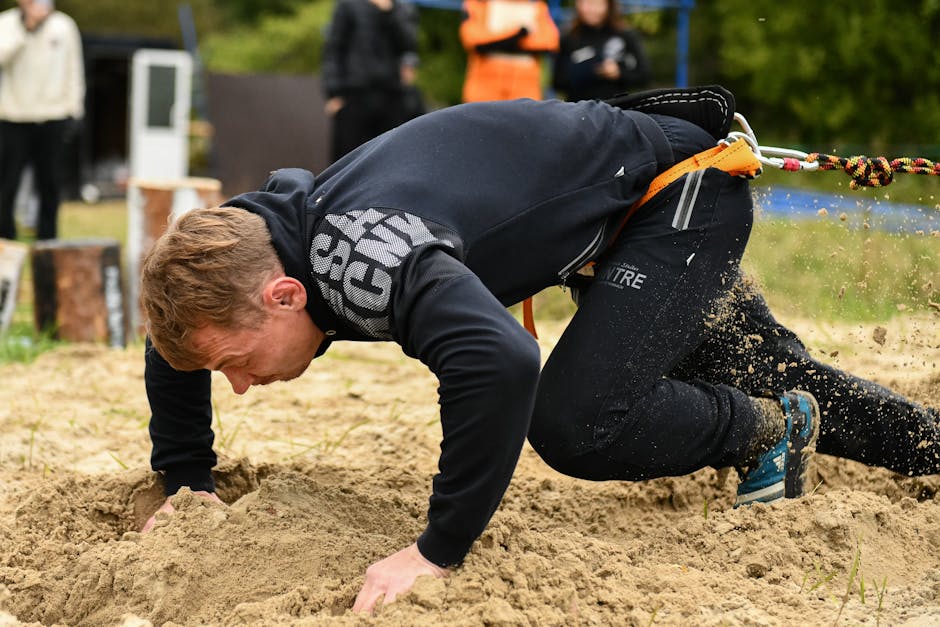
The executive suite today is less a quiet office and more a pressure cooker. Constant disruption, relentless market shifts, and the sheer weight of responsibility can grind even the most seasoned leaders down. In this environment, executive resilience isn’t just a desirable trait; it’s a critical survival skill. It’s the capacity to bounce back from setbacks, adapt to change, and sustain high performance under duress. While many leadership development initiatives focus on skills, few address the fundamental mental and emotional fortitude required to operate at the highest levels. This is where targeted coaching becomes indispensable.
Table of Contents
- Understanding Executive Resilience
- Key Components of Executive Resilience:
- The Coaching Advantage
- Self-Awareness and Emotional Regulation
- Adaptive Thinking and Problem-Solving
- Stress Management and Recovery
- Maintaining Perspective and Purpose
- The Coaching Process for Resilience
- The Role of the Coach
- The Executive’s Commitment
- Key Coaching Techniques
- Measuring Resilience Gains
- Case Study: The Unflappable CFO
- Action Plan: Building Your Resilience Toolkit
- Conclusion
- Further Reading & Frameworks
Understanding Executive Resilience
At its core, executive resilience is about endurance and adaptability. It’s not about being impervious to stress or avoiding failure, but about how one responds to these inevitable challenges. A resilient executive can absorb shocks, learn from adversity, and emerge stronger, maintaining focus and drive. They understand that setbacks are part of the journey, not the destination. Developing this capability is crucial for long-term leadership effectiveness and organizational health.
Key Components of Executive Resilience:
- Emotional Regulation: The ability to manage and control emotional responses, especially under pressure.
- Cognitive Flexibility: The capacity to shift perspectives, reframe challenges, and adapt thinking.
- Optimism and Hope: Maintaining a positive outlook, even when facing difficulties.
- Problem-Solving Prowess: Effectively identifying issues and devising solutions.
- Social Support Networks: Leveraging relationships for advice and encouragement.
- Self-Efficacy: A strong belief in one’s own ability to succeed.
The Coaching Advantage
While training can impart knowledge and skills, executive coaching offers a unique, personalized pathway to developing deep-seated resilience. It provides a confidential, objective space for executives to explore their reactions to stress, identify blind spots, and build robust coping mechanisms. Unlike generic workshops, coaching is tailored to the individual’s specific challenges and context, including critical periods like Executive Coaching for CEO Transition Management. Exploring the underlying psychology of personal resilience can further enhance this process. For a deeper dive into the foundational elements, understanding Resilience Psychology for Leaders: Core Concepts is invaluable. In addition to building personal fortitude, Executive Coaching for Aspiring CEOs can equip leaders with the strategic skills needed to thrive amidst organizational complexities. This personalized approach also extends to developing a Sales Leader as Coach, fostering team growth and driving predictable revenue. This tailored support is also invaluable for navigating complex strategic initiatives, such as Executive Coaching for C-Suite Succession Planning. Furthermore, Executive Coaching For New Leaders can equip individuals stepping into their first leadership roles with the confidence and skills to navigate their unique challenges.
Self-Awareness and Emotional Regulation
Many leaders operate on autopilot, reacting instinctively to stressors. Coaching helps executives pause and reflect, fostering self-awareness. Through guided questioning, they can understand their personal stress triggers and learn to manage emotional responses. This is fundamental to maintaining composure and making sound decisions when the heat is on, much like mastering executive presence requires understanding how you’re perceived. A coach can help identify patterns of behavior that hinder resilience.
Adaptive Thinking and Problem-Solving
Resilient leaders don’t get stuck in problems; they pivot to solutions. Coaching facilitates cognitive reframing, helping executives view challenges not as insurmountable obstacles but as opportunities for growth or learning. This involves dissecting complex issues, exploring alternative strategies, and building confidence in their problem-solving abilities. It’s about developing a mindset that actively seeks solutions rather than succumbing to despair. This is directly relevant to navigating complex business environments, such as those requiring Supply Chain Resilience Leadership. Developing this adaptability also hinges on Navigating Intersectionality in Executive Roles, which equips leaders with broader perspectives to tackle multifaceted challenges.
Stress Management and Recovery
Chronic stress erodes resilience. A coach can work with an executive to identify sustainable stress management techniques – from mindfulness and exercise to setting boundaries. Crucially, coaching also focuses on recovery. How does the executive recharge? What practices ensure they don’t just survive but thrive after intense periods? This is a cornerstone of Resilience Building for Leaders in Flux: Thrive Amidst Uncertainty.
Maintaining Perspective and Purpose
When under pressure, it’s easy to lose sight of the bigger picture. Coaching helps executives reconnect with their purpose and values. Understanding the ‘why’ behind their work can provide a powerful anchor during turbulent times. A coach can also help executives maintain a balanced perspective, distinguishing between short-term crises and long-term strategic goals. This aligns with Leading with Purpose: How Executives Drive Corporate Social Responsibility Strategy.
The Coaching Process for Resilience
Developing resilience through coaching is a partnership. It requires commitment from both the executive and the coach.
The Role of the Coach
A skilled executive coach acts as a confidante, challenger, and accountability partner. They don’t provide answers but ask powerful questions that unlock the executive’s own insights and solutions. They create a safe space for vulnerability and exploration, pushing the executive beyond their comfort zone in a supportive manner.
The Executive’s Commitment
For coaching to be effective, the executive must be open, honest, and willing to engage deeply. This means being vulnerable, actively participating in sessions, and committing to implementing agreed-upon strategies and behavioral changes outside of the sessions. It’s a journey of self-discovery and intentional development.
Key Coaching Techniques
- Active Listening: Truly hearing and understanding the executive’s perspective.
- Powerful Questioning: Probing questions that stimulate reflection and insight.
- Feedback and Challenge: Providing constructive observations and gently pushing boundaries.
- Goal Setting: Collaboratively defining specific, measurable resilience objectives.
- Behavioral Experiments: Encouraging the executive to try new approaches and report back.
Measuring Resilience Gains
While resilience is often felt, its impact can be assessed. Look for:
- Reduced stress-related symptoms (e.g., improved sleep, less irritability).
- Faster recovery from setbacks.
- Increased confidence in decision-making under pressure.
- Greater adaptability to organizational changes.
- Improved team morale and engagement (as the leader’s resilience impacts their direct reports).
<div class='ai-table-wrapper'>
|
|
| Feature | Pre-Coaching Scenario | Post-Coaching Scenario |
| :————— | :——————————————————- | :———————————————————- |
| Stress Response | Overwhelmed, reactive, difficulty sleeping | Calm, measured, proactive stress management techniques used |
| Decision Making| Hesitant, prone to analysis paralysis | Confident, decisive, able to balance data and intuition |
| Adaptability | Resists change, views disruption negatively | Embraces change, sees opportunities in disruption |
| Outlook | Pessimistic, focused on problems | Optimistic, solution-oriented, maintains long-term vision |
| Team Impact | Projects stress onto team, creates anxiety | Inspires confidence, fosters calm and focus within the team |
</div>
Case Study: The Unflappable CFO
Sarah, a CFO known for her sharp financial acumen, found herself increasingly overwhelmed by market volatility and investor pressure. Post-project failures within her division left her anxious and second-guessing her strategic decisions. Her resilience was waning, impacting her focus and her team’s morale. She engaged an executive coach. Initially, sessions focused on her anxiety triggers and perfectionistic tendencies. The coach used cognitive reframing techniques, helping Sarah see market shifts not as personal failures but as complex variables. They explored stress reduction practices, integrating short mindfulness breaks into her packed schedule. Sarah also worked on setting boundaries, learning to delegate more effectively and push back on unrealistic demands. Within six months, Sarah reported feeling significantly more in control. She navigated a major earnings call with unprecedented calm, her team felt more supported, and her ability to make strategic financial forecasts improved dramatically. She had rebuilt her executive resilience, stronger than before. This mirrors the challenges addressed in Financial Forecasting for Executives: Drive Strategic Decisions with Precision.
Action Plan: Building Your Resilience Toolkit
<div class='ai-checklist'>
- Assess Your Current Resilience: Honestly evaluate your stress responses, coping mechanisms, and recovery strategies. Consider a 360-degree feedback assessment focused on resilience traits.
- Identify Key Stressors: Pinpoint the specific situations, people, or tasks that drain your energy and test your composure.
- Define Resilience Goals: What does being more resilient look like for you? Be specific (e.g., “Respond calmly to negative feedback within 30 seconds”).
- Seek a Qualified Coach: Research and select an executive coach experienced in resilience development. Look for credentials and testimonials.
- Commit to the Process: Schedule regular coaching sessions and dedicate time to implementing strategies discussed.
- Practice Mindfulness & Self-Care: Integrate daily practices like meditation, exercise, and adequate sleep. These are non-negotiable.
- Build Your Support Network: Cultivate strong professional and personal relationships for advice and encouragement.
- Learn from Setbacks: After a difficult experience, debrief with your coach or a trusted peer. What was learned? How can you apply it next time?
- Celebrate Progress: Acknowledge and reward yourself for building resilience. Small wins fuel continued effort.
</div>
Conclusion
In today’s volatile business landscape, resilience is the bedrock of effective leadership. It enables executives to navigate uncertainty, inspire confidence, and drive sustained success. By investing in executive coaching, leaders gain a powerful, personalized tool to cultivate this essential capacity. It’s not about avoiding the storms, but about building a ship that can weather them, stronger and more capable than before. This proactive approach to leadership development ensures not just individual survival, but organizational prosperity. For those looking to enhance their leadership toolkit, consider the foundational elements of Executive Presence Coaching: Your Key to Influential Leadership.
Further Reading & Frameworks
- Book: Option B: Facing Adversity, Building Resilience, and Finding Joy by Sheryl Sandberg and Adam Grant. Explores personal and professional resilience in the face of tragedy and adversity.
- Book: Mindset: The New Psychology of Success by Carol S. Dweck. Introduces the concept of fixed versus growth mindsets, crucial for resilience and learning.
- Framework: The PERMA Model by Martin Seligman (Positive Emotion, Engagement, Relationships, Meaning, Accomplishment). While focused on well-being, its components are vital for building a resilient foundation.
- Theory: Cognitive Behavioral Therapy (CBT) principles, often applied in coaching, focus on identifying and changing unhelpful thought patterns and behaviors that contribute to stress and hinder resilience. (Note: Coaching is not therapy, but coaches may use CBT-informed techniques).
- Book: Grit: The Power of Passion and Perseverance by Angela Duckworth. Highlights the importance of sustained effort and passion for achieving long-term goals, a key aspect of resilience.
Featured image by Konstantin Mishchenko on Pexels