Unlock Sustainability Impact with Executive Coaching
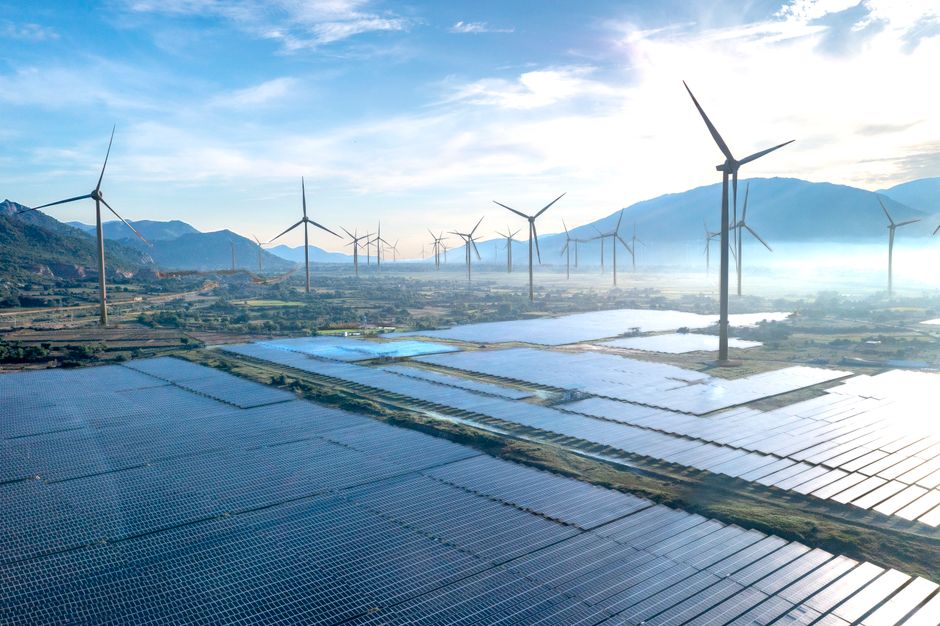
Table of Contents
- The Evolving Landscape of Sustainability Leadership
- What is Executive Coaching for Sustainability Leaders?
- Key Benefits of Executive Coaching for Sustainability
- Core Competencies Developed Through Sustainability Coaching
- Choosing the Right Executive Coach for Sustainability
- Implementing a Successful Sustainability Coaching Program
- Case Studies: Success Stories in Sustainability Leadership
The Evolving Landscape of Sustainability Leadership
The modern sustainability leader is no longer confined to a niche corporate social responsibility department. Today, they are integral to an organization’s core strategy, tasked with navigating a complex and rapidly evolving landscape. This role demands a profound understanding of environmental, social, and governance (ESG) principles and their direct impact on business resilience and long-term value creation. Their responsibilities extend beyond compliance; they are expected to drive innovation, foster ethical practices, and champion a culture of sustainability throughout the entire enterprise.
This evolution brings a unique set of challenges. Integrating ESG factors seamlessly into existing business operations requires a sophisticated approach, often demanding significant cultural and systemic shifts. Stakeholder demands are escalating; investors, customers, employees, and communities are increasingly vocal and discerning, expecting transparency and demonstrable progress on sustainability initiatives. The regulatory environment is also in constant flux, with new legislation and reporting requirements emerging globally, necessitating agility and foresight. Furthermore, driving genuine innovation in sustainable solutions, from circular economy models to green technologies, is paramount for maintaining a competitive edge.
The growing strategic importance of sustainability for business success cannot be overstated. What was once a secondary consideration is now a primary driver of reputation, risk management, and market differentiation. Companies that effectively embed sustainability into their operations often find themselves more resilient to economic shocks, better positioned to attract and retain top talent, and more appealing to a growing segment of conscious consumers and investors. This strategic imperative underscores the need for robust leadership development, and Executive Leadership Coaching is proving to be an invaluable tool in equipping these leaders for success.
Case Study: Navigating the Net-Zero Transition at Global Energy Corp
Global Energy Corp, a long-established energy provider, faced immense pressure to pivot towards renewable energy sources while maintaining profitability and shareholder confidence. Their newly appointed Chief Sustainability Officer, Sarah Chen, was tasked with developing and executing a credible net-zero strategy within a five-year timeframe. The challenges were multifaceted: entrenched operational practices, a highly regulated industry, and skepticism from long-standing stakeholders. Sarah engaged in Leadership Development Coaching to hone her ability to influence across disparate departments, build cross-functional buy-in for ambitious targets, and effectively communicate the long-term vision. Her coach provided strategies for navigating organizational politics, enhancing her Executive Presentation Skills for Leaders, and building the resilience needed to address inevitable setbacks. Through targeted coaching, Sarah successfully galvanized the organization, securing board approval for significant investments in renewables and establishing key partnerships, ultimately positioning Global Energy Corp as a leader in the clean energy transition. This demonstrates the power of Leadership Coaching for Performance Improvement.
This heightened strategic relevance is why organizations are increasingly investing in Leadership Coaching Programs specifically tailored to sustainability challenges. Such programs, often leveraging Executive Coaching Tools, can help leaders develop the Visionary Leadership necessary to anticipate future trends and the Adaptive Leadership to respond to unforeseen disruptions. The complexities of this role demand more than just technical expertise; they require a heightened sense of purpose, strong What is Authentic Leadership? and an unwavering commitment to ethical conduct, all of which can be profoundly cultivated through Executive Coaching Fundamentals.
What is Executive Coaching for Sustainability Leaders?
Executive coaching for sustainability leaders is a specialized form of Executive Leadership Coaching that focuses on equipping individuals to drive environmental, social, and governance (ESG) initiatives within their organizations. It leverages the core principles of coaching—confidentiality, active listening, powerful questioning, and a commitment to client-driven growth—but applies them through a sustainability lens. This means delving into the unique challenges and opportunities that arise when integrating long-term, purpose-driven objectives into business strategy and operations.
The focus areas for sustainability coaching are multifaceted, addressing the complex nature of leading in this evolving landscape. Key among these are strategic thinking, where leaders learn to embed sustainability into their core business model, identifying new market opportunities and mitigating long-term risks. Ethical decision-making is paramount, as sustainability leaders often navigate grey areas and stakeholder pressures that require a strong moral compass. Change management is another crucial pillar, as implementing sustainable practices necessitates transforming organizational culture, processes, and even supply chains. Finally, influence is critical, enabling leaders to champion sustainability internally, inspire buy-in from diverse stakeholders, and advocate for systemic change externally. This specialized coaching helps leaders to Boost Leadership Skills & Performance with Executive Coaching.
What distinguishes sustainability coaching from general leadership coaching lies in its specific context. While all executive coaching aims to enhance leadership capabilities, sustainability coaching zeroes in on the intersection of business performance and planetary well-being. It addresses the unique pressures faced by leaders in this space, such as navigating complex regulatory environments, managing diverse stakeholder expectations (from investors and customers to employees and NGOs), and communicating the business case for sustainability effectively. This can be particularly relevant for leaders in sectors like Non-Profit Executive Leadership Skills or for those grappling with New Leader Challenges & Executive Coaching Guide.
Case Study: Navigating a Sustainable Transition
A CEO of a global manufacturing company, tasked with significantly reducing their carbon footprint, felt overwhelmed by the competing demands of profitability and environmental responsibility. Through executive coaching, they developed a robust strategy that integrated sustainability into product design and supply chain management, leading to both cost savings and enhanced brand reputation. The coaching process also helped them refine their communication strategy to effectively gain buy-in from resistant board members and employees, ultimately fostering a more engaged and purpose-driven workforce.
Sustainability leaders often need to master Executive Presentation Skills for Leaders to articulate their vision and progress. Furthermore, developing a strong Executive Presence for Leaders is vital to command the respect and attention needed to drive change. The Executive Coaching Process for sustainability leaders is therefore designed to foster not only tactical proficiency but also a deeper sense of purpose and conviction. Understanding the foundational elements, akin to Executive Coaching Fundamentals, is key to unlocking the transformative potential of these Leadership Coaching Programs. This specialized approach is part of a broader spectrum of Leadership Development Coaching aimed at improving overall Leadership Coaching Benefits. The journey often involves exploring Visionary Leadership and cultivating Authentic Leadership qualities, especially for individuals like those in Female Executive Leadership roles navigating unique pathways within the sustainability space, as explored in Women in Leadership Development Programs.
Key Benefits of Executive Coaching for Sustainability
The imperative for sustainability is no longer a peripheral concern; it’s a strategic imperative woven into the very fabric of successful modern enterprises. For leaders tasked with navigating this complex landscape, executive coaching offers a powerful catalyst for transformation. Let’s explore the key benefits that Executive Leadership Coaching unlocks for sustainability leaders.
One of the most significant impacts of coaching is the enhanced strategic vision and integration of ESG into core business. Sustainability leaders often grapple with how to move beyond performative gestures to deeply embed Environmental, Social, and Governance (ESG) principles into their company’s DNA. A skilled coach can help leaders clarify their long-term vision, identify critical leverage points, and develop actionable strategies that align sustainability goals with overall business objectives. This fosters a more robust and authentic commitment to responsible business practices.
Furthermore, coaching significantly improves stakeholder engagement and communication skills. In the sustainability realm, effective dialogue with diverse stakeholders – from investors and employees to communities and regulators – is paramount. Coaches provide a safe space for leaders to practice their messaging, refine their arguments, and develop greater empathy for different perspectives. This leads to more impactful presentations, stronger relationships, and a greater ability to build consensus around sustainability initiatives. The development of Executive Presentation Skills for Leaders is a critical component here.
Coaching also serves to accelerate the adoption of sustainable practices and innovation. By challenging ingrained assumptions and encouraging creative problem-solving, coaches empower leaders to break free from traditional operational models. This fosters an environment where new, sustainable technologies, processes, and business models can be conceived and implemented more readily. This drive for innovation is crucial for staying competitive in a rapidly evolving global market.
The sustainability journey is inherently complex and often fraught with unforeseen challenges. Consequently, developing resilience and adaptability in complex environments is a core benefit. Coaches help leaders to understand their own responses to stress and uncertainty, build robust coping mechanisms, and develop the agility needed to pivot strategies as circumstances change. This is particularly relevant for New Leader Challenges & Executive Coaching Guide where navigating uncharted territory is common.
Beyond operational improvements, coaching plays a vital role in mitigating risks and identifying new opportunities. A well-coached leader can better anticipate potential environmental, social, and governance risks, proactively developing mitigation strategies. Simultaneously, they become more adept at identifying emerging trends and opportunities related to sustainability, such as circular economy models or renewable energy investments, which can drive long-term value.
| Benefit Category | Description | Impact on Sustainability Leadership |
|---|---|---|
| Strategic Alignment | Integrating ESG into core business strategy. | Ensures sustainability efforts are not siloed but contribute directly to business success and long-term value creation. |
| Stakeholder Relations | Enhancing engagement and communication with all parties. | Builds trust, fosters collaboration, and strengthens the organization’s reputation, crucial for navigating complex sustainability challenges. |
| Operational Excellence | Accelerating the adoption of sustainable practices and fostering innovation. | Drives efficiency, reduces environmental impact, and unlocks new revenue streams through green technologies and business models. |
| Personal Resilience | Developing adaptability and coping mechanisms for complex and uncertain environments. | Empowers leaders to navigate crises effectively, maintain focus, and make sound decisions under pressure, ensuring continuity and progress. |
| Risk & Opportunity | Identifying and mitigating sustainability-related risks, while capitalizing on new opportunities. | Protects the organization from reputational and financial damage and unlocks competitive advantages through proactive and forward-thinking strategies. |
| Cultural Transformation | Building a strong, ethical sustainability culture throughout the organization. | Fosters employee engagement, attracts talent aligned with the company’s values, and embeds sustainable thinking at all levels. |
Finally, executive coaching is instrumental in building a strong, ethical sustainability culture. A leader who embodies authentic, sustainable values, fostered through coaching, inspires their teams to do the same. This translates into a more engaged workforce, a stronger ethical compass, and an organizational identity that is both responsible and resilient. This focus on ethical grounding aligns closely with principles of What is Authentic Leadership? which is increasingly vital for long-term success.
Ultimately, investing in Leadership Development Coaching for sustainability leaders is an investment in the future of the organization and the planet. It’s about equipping individuals with the clarity, skills, and resilience to lead with purpose and impact. Explore how Leadership Coaching Programs can be tailored to your specific sustainability leadership needs.
Core Competencies Developed Through Sustainability Coaching
Sustainability leadership demands a unique and evolving skillset, and targeted executive coaching is proving to be an invaluable catalyst for developing these critical competencies. For leaders tasked with integrating environmental, social, and governance (ESG) principles into the core of their organizations, the journey often requires a fundamental shift in perspective and practice.
At its heart, sustainability leadership necessitates a profound embrace of systems thinking. This involves understanding how interconnected environmental, social, and governance factors influence business operations, stakeholder relationships, and long-term value creation. A skilled coach can help leaders move beyond linear problem-solving to grasp the complex feedback loops and emergent properties inherent in sustainability challenges. This holistic view is crucial for identifying root causes and developing truly impactful strategies, rather than merely addressing symptoms.
Furthermore, sustainability leaders must embody ethical leadership and be adept at navigating complex trade-offs. Balancing profit with planet, short-term gains with long-term resilience, and competing stakeholder interests requires a strong ethical compass. Coaching provides a confidential space to explore these dilemmas, clarify values, and develop frameworks for making principled decisions that align with the organization’s sustainability commitments. This often involves delving into the nuances of What is Authentic Leadership? and applying those principles to challenging scenarios.
Effective communication and storytelling for sustainability initiatives are also paramount. Leaders need to inspire, educate, and mobilize stakeholders – from employees and investors to customers and regulators. Executive coaching can hone a leader’s ability to articulate a compelling vision, translate complex ESG data into engaging narratives, and build consensus around sustainability goals. This includes developing strong Executive Presentation Skills for Leaders and enhancing overall Executive Presence for Leaders.
The drive towards a sustainable future also hinges on fostering innovation and circular economy principles. Coaching can encourage leaders to challenge conventional business models, explore new technologies, and champion initiatives that reduce waste, promote resource efficiency, and create closed-loop systems. This often involves tapping into Visionary Leadership Development to envision and implement these transformative changes.
Building cross-functional collaboration and influence is another critical area. Sustainability initiatives rarely succeed in isolation; they require buy-in and active participation from across the organization. Coaches can equip leaders with the skills to break down silos, build bridges between departments, and influence stakeholders at all levels, fostering a shared sense of responsibility. This aligns closely with the principles of Leadership Development Coaching.
Finally, successful sustainability integration hinges on change management for embedding sustainability deep within the organization. This involves not just policy changes, but also shifts in culture, mindset, and operational practices. Through coaching, leaders gain the strategies and resilience to champion this transformative change, overcome resistance, and ensure that sustainability becomes an intrinsic part of the organizational DNA. This aspect of leadership development is explored in resources like the New Leader Challenges & Executive Coaching Guide.
FAQ: How does executive coaching specifically help with navigating complex trade-offs in sustainability?
Executive coaching provides a confidential and objective space for leaders to explore the inherent tensions between financial performance, social equity, and environmental protection. A coach can help leaders unpack their personal values, understand stakeholder perspectives, and develop frameworks for making difficult decisions. They might introduce tools for ethical decision-making or facilitate scenario planning to anticipate the consequences of various choices. This process, akin to strengthening Leadership Coaching for Performance Improvement, helps leaders build the resilience and clarity needed to lead through ambiguity.
FAQ: What role does executive coaching play in fostering innovation for sustainability?
Coaching can act as a powerful catalyst for innovation by encouraging leaders to question assumptions, challenge the status quo, and explore unconventional solutions. Coaches can employ creative thinking exercises, facilitate design thinking workshops, and push leaders to consider emerging trends and technologies, such as those driving the circular economy. By fostering a mindset of continuous learning and experimentation, coaching helps leaders unlock new opportunities for sustainable business models and practices, aligning with the goals of Leadership Coaching for Employee Growth.
The comprehensive support offered through Executive Leadership Coaching can significantly Boost Leadership Skills & Performance with Executive Coaching, preparing leaders to excel in the intricate and vital field of sustainability. For leaders in specific sectors, such as those guiding non-profits, specialized approaches like Non-Profit Executive Leadership Skills development and Non-Profit Executive Director Leadership coaching are equally impactful. The overarching Leadership Coaching Benefits are profound, leading to more effective and impactful leadership.
Choosing the Right Executive Coach for Sustainability
The landscape of leadership is rapidly evolving, and for those steering the ship towards a sustainable future, the right guidance is paramount. Selecting an executive coach equipped to navigate the complexities of environmental, social, and governance (ESG) principles is not just beneficial; it’s a strategic imperative. This isn’t about generic leadership development; it’s about finding a partner who understands the unique challenges and opportunities inherent in driving sustainable transformation. A seasoned coach can be the catalyst for significant change, offering insights that elevate your Executive Leadership Coaching experience.
Identifying Coaches with Deep ESG/Sustainability Expertise
The first and most crucial step is to pinpoint coaches who possess genuine, in-depth knowledge of ESG and sustainability. This goes beyond a casual understanding. Look for coaches who can articulate specific frameworks (like GRI, SASB, TCFD), understand the evolving regulatory environment, and have a proven track record of helping leaders integrate sustainability into core business strategy. Ask about their experience with climate risk, circular economy principles, ethical supply chains, and social impact initiatives. A coach who can speak the language of sustainability, not just the language of leadership, will be far more effective. Don’t underestimate the value of a coach who can bridge the gap between business objectives and planetary well-being, often a key focus in Leadership Development Coaching.
Assessing Coach’s Experience with Senior Leadership Development
While ESG expertise is vital, the coach must also be adept at developing senior leaders. This means understanding the unique pressures, decision-making styles, and strategic considerations at the executive level. Have they coached CEOs, C-suite executives, or board members before? Can they demonstrate how they’ve helped leaders navigate complex organizational change, build high-performing teams, and enhance their Executive Presence for Leaders? Experience with similar organizational structures, whether large corporations or Non-Profit Executive Director Leadership, can also be a significant advantage. For those in the non-profit sector, seeking coaches with experience in Non-Profit Executive Leadership Skills is equally important.
Understanding Coaching Methodologies and Their Alignment with Sustainability Goals
Coaching methodologies vary. Some coaches employ a more directive approach, while others are purely facilitative. For sustainability leaders, a blend is often ideal. The coach should be able to help you explore your own leadership blind spots, challenge your assumptions, and foster What is Authentic Leadership principles. Crucially, their methods should align with your specific sustainability goals. For instance, if your aim is to foster innovation for green solutions, a coach employing design thinking or problem-solving frameworks might be beneficial. If the goal is to embed ethical practices across the organization, a coach who focuses on values alignment and behavioral change would be more suitable. Understanding the Executive Coaching Fundamentals of their approach will reveal how they plan to support your journey.
Questions to Ask Potential Coaches
When vetting potential coaches, come prepared with insightful questions. Here’s a framework to guide your selection process:
| Area of Inquiry | Example Questions |
|---|---|
| Sustainability Expertise | “Can you describe your experience with integrating ESG strategies into business operations?” or “What are your thoughts on the current regulatory landscape for sustainability reporting?” |
| Senior Leadership Experience | “What is your experience coaching leaders at the executive level?” or “How have you helped leaders navigate significant organizational change initiatives?” |
| Coaching Methodology | “What is your typical coaching approach, and how do you tailor it to individual client needs and organizational goals?” or “How do you measure the success of your coaching engagements, particularly concerning sustainability outcomes?” |
| Client Fit | “What kind of leader do you find you work with most effectively?” or “Can you provide a case study of a leader you’ve coached who achieved significant sustainability-related advancements?” |
These questions will not only help you assess their qualifications but also give you a feel for their thought process and problem-solving abilities. Exploring your leadership journey can be significantly enhanced by Leadership Coaching Programs.
The Importance of Chemistry and Trust
Beyond qualifications and methodology, the relationship between coach and coachee is foundational. You need to feel a strong sense of chemistry and trust. This is a deeply personal journey of self-discovery and growth. Can you be vulnerable with this person? Do you feel heard and understood? Do their values resonate with yours? A strong rapport allows for open, honest communication, which is essential for effective Leadership Coaching for Performance Improvement. Without trust, the coaching process, no matter how well-designed, will be superficial. Remember, the goal is to Boost Leadership Skills & Performance with Executive Coaching, and that starts with a solid foundation of trust. This partnership can unlock significant Leadership Coaching Benefits for both individual and organizational advancement.
Implementing a Successful Sustainability Coaching Program
Implementing a successful sustainability coaching program requires careful planning and a strategic approach. It’s not just about hiring a coach; it’s about embedding this powerful development tool into your organizational fabric.
The first crucial step is defining clear objectives and desired outcomes. What does success look like for your sustainability leaders? Are you aiming to enhance their ability to drive ESG initiatives, improve stakeholder engagement on sustainability matters, or develop more robust Visionary Leadership? Be specific. For instance, an objective might be to increase the percentage of successful cross-departmental sustainability projects by 15% within 12 months. Clearly articulating these goals ensures alignment and provides a benchmark for measuring progress. This mirrors the foundational principles of Executive Coaching Fundamentals.
Next, securing buy-in from leadership and the board is paramount. Without their unwavering support, even the best-designed program can falter. Present a compelling business case that outlines the benefits, not just for the individuals being coached, but for the entire organization. Highlight how investing in sustainability leadership development can mitigate risks, unlock new opportunities, and enhance brand reputation. This often involves showcasing the tangible benefits of Leadership Coaching Benefits, demonstrating how it can significantly Boost Leadership Skills & Performance with Executive Coaching.
The structure of the coaching engagement needs thoughtful consideration. This includes determining the frequency and duration of sessions, as well as the format (one-on-one, group coaching, or a hybrid approach). For sustainability leaders, who often grapple with complex, long-term challenges, a sustained engagement is typically more effective than a short-term fix. Consider monthly sessions for 6-12 months as a starting point, allowing ample time for reflection, experimentation, and integration of new insights. The Executive Coaching Process often involves this iterative approach.
Measuring the return on investment (ROI) and impact of the coaching program is essential for demonstrating its value and securing continued investment. This goes beyond qualitative feedback. Look for quantifiable metrics tied to your initial objectives. Did the sustainability initiatives that the coached leaders championed achieve their targets? Has there been a measurable improvement in employee engagement scores related to sustainability? Tools and frameworks for assessing this impact are readily available, often found within comprehensive Executive Coaching Tools.
Pro-Tip: When defining ROI for sustainability coaching, consider both direct financial benefits (e.g., cost savings from efficiency improvements) and indirect benefits (e.g., enhanced brand value, improved employee retention, reduced regulatory risk).
Finally, integrating coaching with broader L&D and sustainability strategies ensures that this initiative isn’t an isolated event. How can coaching complement existing leadership development programs? Can the insights gained from coaching sessions inform your overall sustainability strategy? For example, if multiple leaders identify similar developmental gaps in areas like Executive Presentation Skills for Leaders or Executive Presence for Leaders, this can inform the design of future L&D offerings. This holistic view is critical for sustainable growth, much like Adaptive Leadership. For organizations focused on specific sectors, like the Non-Profit Executive Director Leadership roles, tailoring these integrations becomes even more vital.
By meticulously planning and executing these steps, organizations can create a robust and impactful sustainability coaching program that drives both individual leadership excellence and meaningful organizational progress. This comprehensive approach underpins the value of Leadership Development Coaching and Leadership Coaching Programs.
Case Studies: Success Stories in Sustainability Leadership
The journey towards true corporate sustainability is rarely a straight line. It requires vision, resilience, and the ability to inspire widespread change. Many forward-thinking leaders have discovered that strategic Executive Leadership Coaching provides the essential support, perspective, and skill enhancement needed to navigate this complex terrain. Here, we explore compelling case studies that highlight the transformative power of coaching in driving significant sustainability improvements.
Case Study 1: The Renewable Energy Innovator
Meet Anya Sharma, CEO of a rapidly growing renewable energy firm. Anya was facing intense pressure to scale operations while simultaneously deepening the company’s commitment to ethical sourcing and a circular economy. Her initial approach was heavily operational, focusing on targets and metrics. However, she found herself struggling to foster a truly integrated sustainability culture that permeated all levels of the organization.
Through a tailored Leadership Development Coaching program, Anya worked with her coach to:
- Refine her visionary leadership: Moving beyond just reporting on emissions, she learned to articulate a compelling, long-term vision for her company’s role in a sustainable future, inspiring both employees and stakeholders.
- Enhance stakeholder engagement: Her coach helped her develop strategies for more effective communication with investors, regulators, and community groups, building trust and garnering support for ambitious sustainability initiatives.
- Develop adaptive leadership capabilities: Anya learned to pivot and respond to unforeseen challenges, such as supply chain disruptions related to rare earth minerals, by fostering internal innovation and exploring alternative materials.
Quantifiable Results: Within two years of commencing coaching, Anya’s company saw a 25% reduction in its carbon footprint, a 15% increase in the use of recycled materials in product manufacturing, and a significant improvement in employee engagement scores related to the company’s sustainability mission. Investors noted a marked increase in the company’s ESG (Environmental, Social, and Governance) ratings, attributed to clearer strategy and improved execution.
Case Study 2: The ESG Transformation Champion
David Chen, Chief Operating Officer of a large manufacturing conglomerate, recognized the growing imperative for robust ESG integration. While his team was adept at data collection, translating that data into meaningful strategic action and embedding sustainability into core business processes proved challenging. David felt he was often reacting to external pressures rather than proactively shaping the company’s sustainability agenda.
His Executive Coaching Process focused on several key areas:
- Strategic influence: Developing his ability to influence the board and executive team to allocate resources and prioritize sustainability investments.
- Cross-functional collaboration: Building bridges between departments (e.g., R&D, procurement, marketing) to ensure a cohesive sustainability strategy.
- Executive Presence for Leaders: Strengthening his communication and persuasion skills to advocate for sustainability initiatives with greater impact.
Quantifiable Results: David’s coaching journey directly contributed to the company launching its first-ever comprehensive sustainability report, which was lauded by industry analysts for its transparency and ambition. The company achieved a 10% improvement in water usage efficiency across its plants and initiated a successful pilot program for zero-waste manufacturing. Furthermore, David’s enhanced ability to articulate the business case for sustainability led to a $50 million investment in green technologies.
- Coaching provided a confidential space for leaders to explore complex ethical dilemmas related to sustainability.
- It helped leaders identify and overcome personal blind spots hindering sustainability integration.
- Coaching facilitated the development of robust communication strategies for diverse stakeholder groups.
- Leaders gained tools to foster a culture of innovation and accountability around sustainability goals.
- It supported leaders in navigating the intersection of financial performance and environmental responsibility.
Lessons Learned from Real-World Applications:
These success stories underscore several critical takeaways for aspiring sustainability leaders and the organizations that support them:
- Personalized Approach is Key: While general principles of sustainability exist, the most effective coaching interventions are tailored to the individual leader’s specific challenges, industry context, and organizational culture. This aligns with the philosophy behind Leadership Coaching for Performance Improvement.
- Sustainability as a Strategic Imperative: Coaching helps leaders frame sustainability not as a compliance issue or a mere PR exercise, but as a core driver of long-term business value and competitive advantage. This often involves embracing What is Adaptive Leadership to navigate evolving environmental and social landscapes.
- The Power of Enhanced Communication: Effectively championing sustainability requires sophisticated communication skills. Coaching can significantly Boost Leadership Skills & Performance with Executive Coaching, equipping leaders to articulate their vision, engage stakeholders, and inspire action.
- Long-Term Commitment Yields Results: The most profound impacts of executive coaching on sustainability emerge over sustained periods, allowing leaders to embed new behaviors and foster lasting cultural change. This reinforces the value of Leadership Coaching Programs.
The integration of sustainability into business strategy is no longer optional. By leveraging Executive Coaching Fundamentals and embracing Visionary Leadership Development, leaders can unlock their full potential to drive meaningful, positive change.
Featured image by Quang Nguyen Vinh on Pexels