Mindful Movement Practices: Transform Your Body & Mind
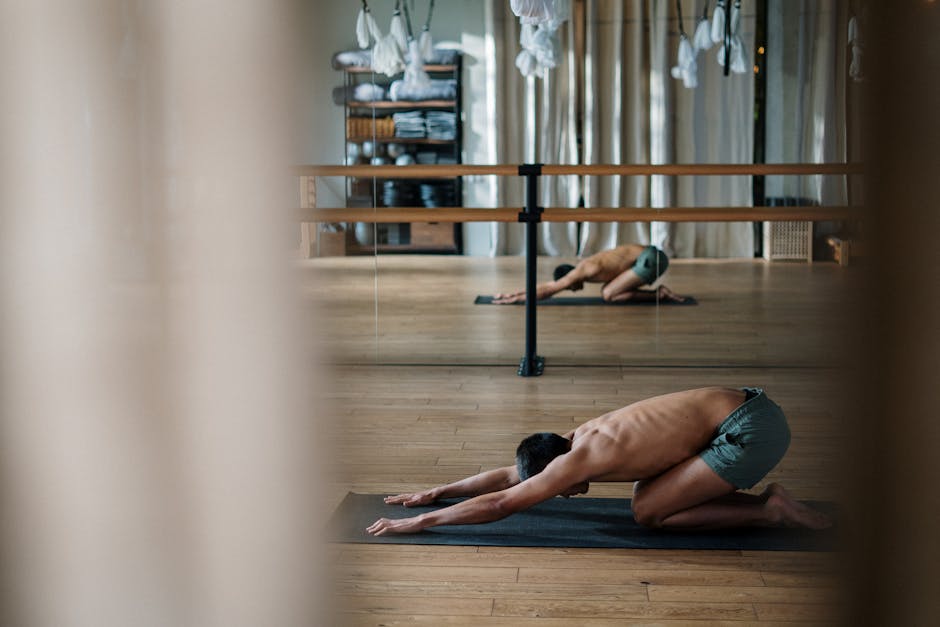
Imagine this: You’ve been staring at your computer screen for hours, your shoulders are tight, your mind is racing, and that midday slump feels insurmountable. You reach for another cup of coffee, hoping for a quick fix. But what if there was a more sustainable, holistic way to revitalize yourself?
Table of Contents
- What Exactly is Mindful Movement?
- The Core Principles of Mindful Movement
- Benefits Beyond the Physical
- Reduce Stress and Anxiety
- Enhance Body Awareness and Connection
- Improve Mood and Emotional Regulation
- Boost Focus and Cognitive Function
- Popular Mindful Movement Practices
- Yoga
- Tai Chi
- Qigong
- Mindful Walking
- Feldenkrais Method
- Integrating Mindful Movement into Your Life
- Start Small
- Create a Routine
- Be Patient and Kind
- Find What Resonates
- Mindful Movement vs. Traditional Exercise
- Frequently Asked Questions
- Is mindful movement suitable for beginners?
- How often should I practice mindful movement?
- Can mindful movement replace a traditional workout?
- Conclusion
- References
That’s where mindful movement practices come in. They offer a powerful antidote to the stresses of modern life, not by demanding grueling workouts, but by inviting you to connect with your body and breath in a more intentional way.
What Exactly is Mindful Movement?
Mindful movement is about paying attention to your body’s sensations, your breath, and your emotional state as you move. It’s not about achieving a specific fitness goal or pushing your limits, but rather about cultivating awareness and presence in every step, stretch, or flow. It’s the practice of bringing your full attention to the physical experience of moving.
This approach encourages a kinder, more intuitive relationship with your body, fostering a sense of peace and grounding that extends far beyond the time you spend moving.
The Core Principles of Mindful Movement
At its heart, mindful movement is guided by a few key principles:
- Awareness: Noticing your body’s signals – tension, ease, fatigue, or energy.
- Presence: Focusing on the current moment, rather than dwelling on the past or worrying about the future.
- Non-Judgment: Observing sensations and movements without labeling them as ‘good’ or ‘bad’.
- Breath Connection: Using the breath as an anchor to deepen awareness and regulate the nervous system.
- Gentle Exploration: Moving with curiosity and kindness, respecting your body’s limits.
Benefits Beyond the Physical
While the physical benefits are significant, the true magic of mindful movement lies in its impact on your mental and emotional well-being. By integrating these practices into your routine, you can:
Reduce Stress and Anxiety
When you’re stressed, your body often holds tension. Mindful movement, particularly practices like gentle yoga or tai chi, encourages you to release this physical tension. As you focus on your breath and the present moment, your sympathetic nervous system (responsible for the ‘fight or flight’ response) calms down, allowing your parasympathetic nervous system (the ‘rest and digest’ system) to take over. This shift can significantly lower cortisol levels and reduce feelings of anxiety. It’s a powerful reminder that managing stress isn’t just about mental techniques; it’s also about embodied release.
Enhance Body Awareness and Connection
In our fast-paced world, it’s easy to feel disconnected from our bodies. Mindful movement helps you re-establish that connection. You learn to listen to your body’s needs, recognize early signs of fatigue or discomfort, and appreciate the incredible capabilities of your physical form. This increased awareness can lead to better posture, improved balance, and a more intuitive understanding of when you need rest or nourishment. This is invaluable, especially in demanding work environments where understanding your personal capacity is key to sustained performance. Learning to effectively delegate tasks to your team is a crucial skill that builds on this self-awareness and capacity management.
Improve Mood and Emotional Regulation
Movement releases endorphins, which have mood-boosting effects. When combined with mindfulness, this effect is amplified. By observing your emotions without getting carried away by them during movement, you build resilience. You learn that emotions, like physical sensations, are often temporary. This practice can make you more adept at navigating difficult feelings off the mat or away from your movement practice.
Boost Focus and Cognitive Function
Studies suggest that mindful movement can improve attention span and cognitive flexibility. The focus required to maintain awareness of your body and breath can train your brain to concentrate better in other areas of your life. This enhanced mental clarity can be a game-changer for productivity and problem-solving, making your work more efficient and effective.
Popular Mindful Movement Practices
There are many ways to engage in mindful movement, catering to different preferences and physical abilities. Here are a few popular options:
Yoga
Yoga, especially styles like Hatha, Yin, or Restorative Yoga, is a cornerstone of mindful movement. It combines physical postures (asanas) with breathwork (pranayama) and meditation. The focus is on slow, controlled movements, deep breathing, and holding poses to cultivate strength, flexibility, and inner peace.
Tai Chi
Often described as ‘meditation in motion,’ Tai Chi involves a series of slow, flowing movements performed with deep abdominal breathing. It’s known for its stress-reducing benefits, improved balance, and gentle strengthening of muscles and joints. Its meditative quality makes it an excellent choice for anyone seeking calm and focus.
Qigong
Similar to Tai Chi, Qigong involves gentle, rhythmic movements and controlled breathing. It’s an ancient Chinese practice aimed at cultivating and balancing the body’s vital energy (qi). Qigong is highly accessible and can be modified for various fitness levels.
Mindful Walking
This is perhaps the simplest form of mindful movement. Instead of rushing from point A to point B, mindful walking involves paying attention to the sensation of your feet on the ground, the rhythm of your breath, the sights and sounds around you, and the movement of your body. It can be done anywhere, from a busy street to a quiet park.
Feldenkrais Method
This method focuses on improving movement through gentle, guided exercises. It emphasizes learning how to move more efficiently and with less effort, releasing habitual patterns of tension. It’s about exploring movement possibilities rather than achieving a specific form.
Integrating Mindful Movement into Your Life
Starting a mindful movement practice doesn’t require a huge time commitment or special equipment. Here’s how you can begin:
Start Small
Even five to ten minutes a day can make a difference. Begin with simple practices like mindful stretching or a short mindful walk. Consistency is more important than duration when you’re starting out.
Create a Routine
Link your practice to an existing habit. For example, do a few mindful stretches after you wake up, before you log off for the day, or during a designated break. Treat it as an essential part of your well-being, much like you would schedule important meetings or performance reviews to ensure growth and development, as discussed in Performance Review Best Practices: A Comprehensive Guide for Growth.
Be Patient and Kind
Some days will feel easier than others. The goal isn’t perfection, but presence. Approach your practice with self-compassion, celebrating small victories and learning from challenging moments.
Find What Resonates
Experiment with different practices to discover what you enjoy most. What feels good for one person might not feel right for another. The best practice is the one you’ll stick with.
Mindful Movement vs. Traditional Exercise
While both are beneficial, they differ in their primary focus.
| Feature | Mindful Movement Practices | Traditional Exercise |
|---|---|---|
| Primary Goal | Cultivating awareness, presence, stress reduction, well-being | Improving fitness, strength, endurance, performance |
| Focus | Internal sensations, breath, gentle exploration | External metrics (e.g., speed, weight, reps, time) |
| Intensity | Generally low to moderate, focus on quality of movement | Can range from moderate to very high |
| Motivation | Inner connection, feeling good in the body | Achievement, competition, aesthetic goals, health outcomes |
| Mindset | Non-judgmental, curious, present | Often goal-oriented, performance-driven |
Both approaches have their place. Mindful movement can complement traditional exercise by enhancing recovery, preventing injury, and fostering a healthier relationship with your body. For leaders, understanding this balance is crucial for sustained high performance and ethical management, aligning with principles found in Corporate Governance Best Practices: Build Trust, Drive Growth.
Frequently Asked Questions
Is mindful movement suitable for beginners?
Absolutely! Practices like mindful walking, gentle yoga, or Tai Chi are excellent for beginners. The emphasis is on gentle exploration and listening to your body, making them accessible to almost everyone.
How often should I practice mindful movement?
Consistency is key. Aim for at least 5-10 minutes daily, or a few longer sessions per week. Listen to your body and adjust as needed. Even short, regular practices yield significant benefits.
Can mindful movement replace a traditional workout?
Mindful movement offers unique benefits for mental well-being and body awareness that traditional exercise might not prioritize. While it can improve strength and flexibility, it may not provide the same cardiovascular or peak performance benefits as high-intensity workouts. Many find a combination of both to be ideal.
Conclusion
Mindful movement practices offer a profound pathway to greater physical vitality, mental clarity, and emotional balance. By shifting your focus from doing to being, you can transform your relationship with your body and discover a deeper sense of peace and well-being. Start today by taking a few mindful breaths and a single, conscious step – your journey to a more present and vibrant life begins now.
References
- Scholar.google.com: Mindfulness-based movement interventions
- Hbr.org: The Benefits of Mindful Movement
- Npr.org: Tai Chi: The Gentle Exercise That Gets You Moving
- Verywellmind.com: What Is Mindful Walking?
- Positivepsychology.com: 15+ Best Mindful Movement Exercises & Techniques
Featured image by cottonbro studio on Pexels