Mastering Coaching & Mentoring Skills: Unlock Potential & Drive Growth
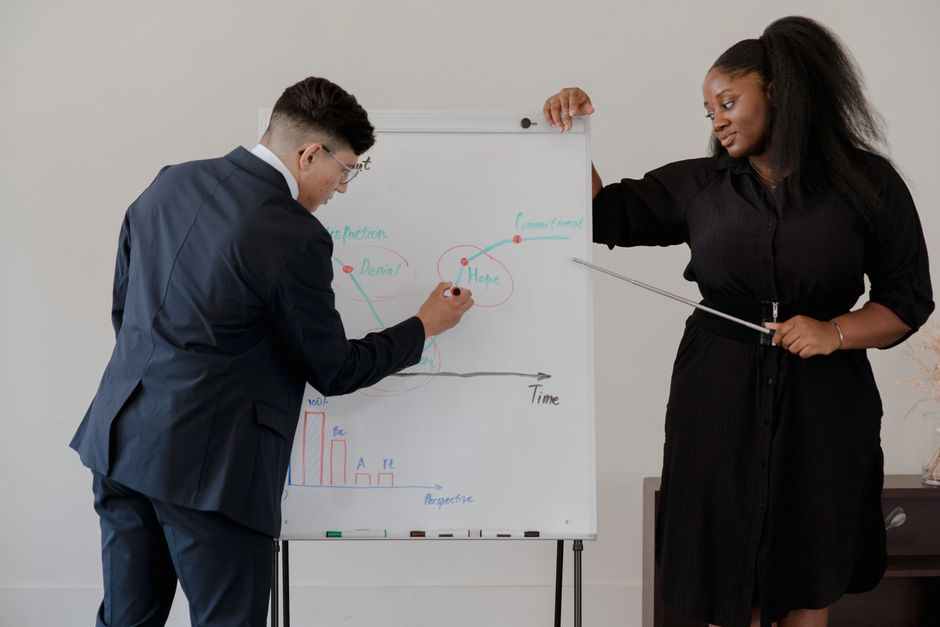
Mastering Coaching & Mentoring Skills: Unlock Potential & Drive Growth
The silence in the room was palpable. Sarah, a promising junior developer, sat across from Mark, her team lead, visibly frustrated with a complex bug. Mark, instead of jumping in to fix it himself, paused. He remembered his own mentor, Elena, who always said, "Don’t give them the fish; teach them how to fish." So, he didn’t offer a solution. Instead, he asked, "What have you tried so far? What patterns are you noticing?" That simple shift, from ‘telling’ to ‘asking,’ transformed the interaction, empowering Sarah to uncover the solution herself. This anecdote encapsulates the profound power of effective coaching and mentoring – skills that are not just beneficial, but critical for fostering growth, resilience, and high performance in any professional setting.
Table of Contents
- Understanding the Core: Coaching vs. Mentoring
- Essential Coaching Skills
- Key Mentoring Skills
- Integrating Skills for Maximum Impact
- Developing Your Coaching & Mentoring Acumen
- References
Understanding the Core: Coaching vs. Mentoring
While often used interchangeably, coaching and mentoring serve distinct yet complementary purposes. Understanding these differences is fundamental to applying the right approach at the right time.
Defining Coaching
Coaching is typically short-term, task-oriented, and focused on specific performance improvement or skill development. A coach helps an individual unlock their own potential and find their own solutions by asking insightful questions, providing tools, and holding them accountable. The coach doesn’t necessarily need to be an expert in the coachee’s specific field; rather, they are experts in the process of development.
Defining Mentoring
Mentoring, by contrast, is a long-term relationship focused on overall personal and professional development. A mentor is usually more experienced, often from the same field, and acts as a guide, advisor, and role model. They share their wisdom, experience, and insights, offering career guidance, networking opportunities, and a broader perspective on professional journeys. Mentoring often involves the critical function of Ethno-leadership methodologies for tacit knowledge retention and intergenerational skill transfer in critical infrastructure organizations facing mass workforce retirement, ensuring valuable institutional knowledge is passed down.
| Feature | Coaching | Mentoring |
|---|---|---|
| Focus | Specific goals, performance improvement | Broad personal & professional development |
| Duration | Short-term, time-bound | Long-term, ongoing |
| Agenda | Coachee-driven, focused on specific outcomes | Mentee-driven, often broader career trajectory |
| Relationship | Process expert, facilitator | Experience expert, advisor, role model |
| Expertise | Expert in coaching process | Expert in field/career, shared wisdom |
| Primary Tool | Powerful questioning, active listening | Storytelling, guidance, personal experience |
Essential Coaching Skills
Effective coaching relies on a specific set of skills designed to empower the individual to find their own answers.
Active Listening
Beyond just hearing words, active listening involves truly understanding the coachee’s perspective, feelings, and underlying concerns. It requires paying full attention, observing non-verbal cues, and reflecting back what you’ve heard to confirm understanding. This builds trust and ensures the coachee feels heard and valued.
Powerful Questioning
Instead of advising, a coach asks open-ended, thought-provoking questions that encourage self-reflection and insight. Questions like "What’s the real challenge here?" or "What are all the possibilities you see?" help the coachee explore their situation deeply and uncover their own solutions. This is a cornerstone of Effective Communication for Leaders, crucial for any developmental role.
Constructive Feedback
Coaches deliver feedback that is specific, actionable, and focused on behavior, not personality. The goal is to highlight strengths and areas for improvement in a way that motivates learning and growth, rather than causing defensiveness. It’s often delivered in a supportive, future-oriented manner.
Goal Setting & Accountability
A coach helps the coachee define clear, measurable, achievable, relevant, and time-bound (SMART) goals. Beyond setting goals, a key skill is establishing accountability mechanisms, regularly checking in on progress, and celebrating successes, while also addressing obstacles constructively.
Key Mentoring Skills
Mentoring requires a different, often more holistic, approach, drawing heavily on the mentor’s experience and ability to foster a supportive relationship.
Empathy and Relationship Building
A mentor builds a relationship of trust and respect. This involves demonstrating empathy – understanding and sharing the feelings of another – and genuinely caring about the mentee’s success and well-being. A strong, trusting relationship is the foundation for effective guidance, often bolstered by high levels of Emotional Intelligence in Leadership.
Experience Sharing & Guidance
Unlike a coach, a mentor directly shares their personal experiences, career journey, lessons learned, and insights. They offer guidance, suggest strategies, and provide context based on their own professional trajectory, helping the mentee navigate similar challenges.
Creating a Safe Space
Mentors provide a confidential, non-judgmental environment where mentees feel comfortable discussing challenges, fears, and aspirations. This psychological safety encourages vulnerability and open dialogue, essential for deep learning and personal growth.
Championing Growth
A mentor acts as an advocate for their mentee, championing their strengths, connecting them with opportunities, and providing encouragement during setbacks. They celebrate achievements and help the mentee recognize their own potential, even when the mentee may not see it themselves.
Integrating Skills for Maximum Impact
Truly effective leaders often blend coaching and mentoring skills seamlessly. There are times when a direct report needs a coach to help them find their own solution to a project roadblock, and other times when they need a mentor to provide career advice or share insights on navigating organizational politics. The ability to discern which approach is needed, and to switch hats effectively, is a mark of sophisticated leadership. Both approaches demand strong communication, active listening, and a genuine commitment to the development of others.
Developing Your Coaching & Mentoring Acumen
Cultivating these skills is an ongoing journey. Seek formal training in coaching methodologies, find your own mentors who can guide you, and actively practice reflective listening and powerful questioning in your daily interactions. Solicit feedback on your developmental conversations and continuously refine your approach. Remember, the goal isn’t just to impart knowledge or fix problems, but to empower individuals to become resourceful, resilient, and ultimately, self-sufficient in their own growth.
References
- Clutterbuck, D. (2017). Coaching and Mentoring for Leadership Development. Kogan Page. ISBN: 9780749479369.
- International Coaching Federation (ICF). (n.d.). What is Coaching? Retrieved from coachingfederation.org
- Harvard Business Review. (2019, July 3). The Leader as Coach. Retrieved from hbr.org/2019/07/the-leader-as-coach
- Kouzes, J. M., & Posner, B. Z. (2017). The Leadership Challenge: How to Make Extraordinary Things Happen in Organizations. Jossey-Bass. ISBN: 9781119278783.
Featured image by RDNE Stock project on Pexels