Leading Remote Teams for Future Success
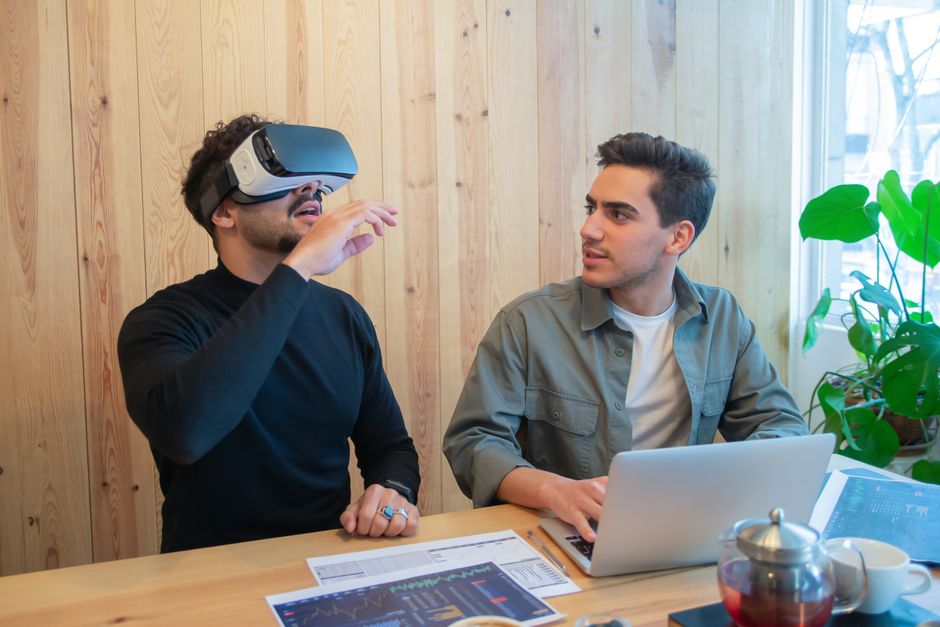
Table of Contents
- The Evolving Landscape of Remote Work
- Building a Foundation of Trust and Communication
- Cultivating Connection and Belonging
- Developing Remote Talent and Fostering Growth
- Leveraging Technology for Enhanced Productivity and Collaboration
- Navigating Hybrid Models: The Best of Both Worlds?
- Future-Proofing Your Remote Leadership Strategy
The Evolving Landscape of Remote Work
The seismic shift towards remote work is not a fleeting trend; it’s a fundamental restructuring of how we operate. While remote work has existed for decades, primarily within niche tech roles or for individuals with specific needs, the past few years have acted as a powerful accelerant. What was once a gradual evolution has become an overnight revolution, driven by necessity and a growing recognition of its potential. This rapid transformation necessitates a deep understanding of its implications for leadership and development.
The allure of both fully remote and hybrid models is undeniable, presenting a complex tapestry of benefits and challenges. For employees, the promise of enhanced work-life balance, reduced commute times, and greater autonomy is a significant draw. Businesses, in turn, can tap into a wider talent pool, reduce real estate costs, and potentially see increased productivity. However, these models are not without their hurdles. Fully remote setups can exacerbate feelings of isolation and make spontaneous collaboration more difficult, potentially leading to issues like Social Loafing: Why Teams Underperform. Hybrid models, while offering a balance, introduce complexities in scheduling, ensuring equitable experiences for both in-office and remote staff, and maintaining a cohesive culture. Effective Remote Team Management Strategies are crucial for navigating these nuances.
The impact on company culture and employee engagement is perhaps the most profound consequence of this distributed workforce. Traditional notions of culture, often built around shared physical spaces, water cooler conversations, and informal interactions, must be intentionally reimagined. Leaders must proactively foster connection and belonging in a virtual environment. This involves investing in robust Team Collaboration Strategies for Remote Teams and regularly organizing Team Building Activities for Remote Teams to maintain Remote Team Cohesion: Overcoming Challenges. Without deliberate effort, the risk of disengagement and a fractured culture becomes a significant threat. This evolution also demands a new breed of leader, one adept at Remote Leadership Skills and embracing the Future of Remote Work Leadership.
Here’s a glimpse into the comparative advantages and disadvantages:
| Aspect | Fully Remote Model | Hybrid Model |
|---|---|---|
| Key Benefits |
|
|
| Key Challenges |
|
|
| Impact on Culture | Requires intentional, digital-first culture building; strong emphasis on asynchronous communication and virtual social events. Can be ideal for Leading Diverse Global Teams. | Can be more challenging to maintain a singular culture; requires careful management to ensure inclusivity and prevent in-group/out-group dynamics. |
| Employee Engagement | Dependent on strong communication, trust, and empowering leadership. Essential to avoid burnout and maintain connection. | Can vary based on individual preferences and the effectiveness of the hybrid implementation. |
The ability to adapt to these evolving models is paramount for long-term success. Whether you are Leading Remote Tech Teams, Leading Remote Engineering Teams, or managing Leading Supply Chain Teams, the foundational principles of strong leadership, clear communication, and fostering a sense of purpose remain constant, albeit adapted for the digital age. This journey requires continuous learning and a commitment to Developing Future-Ready Teams.
Building a Foundation of Trust and Communication
In the distributed world of work, trust isn’t a given; it’s meticulously built, brick by digital brick. This foundational element is paramount for the success of any remote team, especially those in dynamic fields like technology or engineering. Without it, collaboration falters, innovation stagnates, and productivity suffers.
Strategies for fostering trust in a distributed environment begin with consistent, authentic leadership. This means actively demonstrating reliability, integrity, and a genuine commitment to your team’s well-being and development. Leaders must model the behaviors they expect, which includes admitting mistakes, being open to feedback, and consistently following through on commitments. Regular one-on-one check-ins, beyond just project updates, are crucial. These provide space for genuine connection and allow you to understand individual challenges and successes. Furthermore, empowering team members with autonomy over their work, while providing the necessary support and resources, signals confidence and respect, which are cornerstones of trust. For leaders of Leading Remote Tech Teams and Leading Remote Engineering Teams, this autonomy is often directly tied to their expertise.
Establishing clear communication protocols and expectations is equally vital. This isn’t just about what channels to use, but how and when to use them. Define response time expectations for different communication methods, whether it’s instant messaging for urgent queries or email for less time-sensitive matters. Encourage a culture where questions are welcomed and where "no question is a stupid question." This is especially important when Leading Cross-Cultural Teams or Leading Diverse Global Teams, where nuances in communication styles can easily lead to misunderstandings. Setting up clear guidelines for meeting etiquette, such as agenda preparation and timely attendance, also contributes to a more efficient and respectful communication environment.
Leveraging technology for effective asynchronous and synchronous communication is non-negotiable. Synchronous tools like video conferencing platforms are excellent for real-time discussions, brainstorming sessions, and building rapport. However, relying solely on these can lead to meeting fatigue and can be challenging for individuals in different time zones. This is where asynchronous communication shines. Tools like Slack, Microsoft Teams, or dedicated project management software allow team members to share updates, ask questions, and collaborate without needing everyone to be online simultaneously. This approach respects individual work schedules and allows for more thoughtful responses. Mastering Master Asynchronous Communication for Remote Leaders is a superpower in today’s distributed work landscape. Exploring Team Collaboration Tools for the Future of Work can provide a wealth of options to optimize this balance.
The role of transparency in remote leadership cannot be overstated. Be open about company goals, challenges, and decision-making processes as much as possible. When team members understand the "why" behind their work and the broader context of the organization’s direction, they feel more invested and engaged. This transparency also helps to mitigate the potential for Social Loafing: Why Teams Underperform by fostering a sense of shared responsibility and accountability. When leaders are open about potential shifts or changes, it’s crucial to frame these discussions within the context of growth and adaptation, aligning with the principles of Leading Teams Through Organizational Change. Ultimately, a transparent and communicative environment builds a strong, resilient team capable of navigating the complexities of the evolving Future of Remote Work Leadership. Research from institutions like the Harvard Business Review consistently highlights transparency as a key driver of employee engagement and trust, particularly in dispersed teams.
Cultivating Connection and Belonging
The seismic shift towards remote work has fundamentally reshaped how we lead and foster productive, engaged teams. While the benefits of flexibility are undeniable, a critical challenge emerges: ensuring our distributed workforce doesn’t succumb to isolation and a diminished sense of belonging. For leaders aiming for future success, cultivating deep connection is no longer a soft skill; it’s a strategic imperative.
Combating Isolation and Fostering Connection
The physical distance inherent in remote work can breed loneliness, impacting morale and productivity. Proactive strategies are essential to counter this. Regularly scheduled, informal check-ins – beyond task-oriented meetings – are paramount. Think of "virtual coffee breaks" or brief, non-work-related discussions at the start of team calls. Encourage the use of presence indicators in collaboration tools, signaling availability and fostering a sense of continuous connection. For leaders in technical fields, understanding how to maintain this connection is particularly vital. Whether you’re Leading Remote Tech Teams or Leading Remote Engineering Teams, fostering psychological safety where individuals feel comfortable expressing vulnerability is key. Consider implementing peer mentorship programs or "buddy systems" for new hires to ensure they have a go-to person for informal support, helping to address Social Loafing: Why Teams Underperform by fostering accountability and support.
Virtual Team-Building and Social Engagement
Beyond daily operations, dedicated virtual team-building activities are non-negotiable. These aren’t just about fun; they’re about building rapport and reinforcing team identity. Explore a diverse range of options, from virtual escape rooms and online trivia to themed happy hours and collaborative playlist creation. The key is to offer variety and allow team members to opt-in based on their interests. When organizing these, consider the diverse needs and preferences within your team. For instance, Leading Diverse Global Teams requires sensitivity to cultural norms and time zones. Resources like Team Building Activities for Remote Teams offer a wealth of creative ideas to spark engagement.
Facilitating Cross-Functional Collaboration and Knowledge Sharing
Remote environments can inadvertently create silos. To break these down, champion robust Team Collaboration Strategies for Remote Teams. This involves leveraging a suite of Team Collaboration Tools for the Future of Work, from project management platforms and shared document repositories to asynchronous communication tools. Encourage the creation of dedicated knowledge-sharing channels or forums where team members can pose questions, share best practices, and celebrate successes. This is particularly important for Leading Digital Teams who rely heavily on interconnected workflows. Regularly scheduled "show and tell" sessions, where individuals or sub-teams can showcase their work and insights, can be incredibly effective in fostering understanding and cross-pollination of ideas. Mastering asynchronous communication is also crucial for seamless collaboration across different time zones, as highlighted in Master Asynchronous Communication for Remote Leaders.
FAQ: How can leaders ensure that remote team-building activities are inclusive and engaging for everyone?
Inclusivity is paramount. Start by surveying your team to understand their preferences, comfort levels with virtual interactions, and any potential barriers (e.g., time zones, accessibility needs). Offer a variety of activity types, from low-pressure social gatherings to skill-based challenges. Ensure activities are optional, respecting that not everyone enjoys the same forms of social interaction. When planning, consider cultural differences and try to incorporate elements that appeal to a broad range of backgrounds, especially when Leading Cross-Cultural Teams. For technical teams, make sure activities aren’t overly niche and allow for different levels of participation.
Onboarding New Remote Employees Effectively
The onboarding process for remote employees demands meticulous planning to ensure they feel welcomed, supported, and integrated into the team culture from day one. This goes beyond simply sending equipment and access codes. Develop a comprehensive virtual onboarding plan that includes:
- Pre-boarding: Sending welcome kits, access to relevant pre-reading materials, and introductions to their manager and a designated onboarding buddy.
- First Week Immersion: Structured introductions to key team members and stakeholders, clear explanations of team norms and workflows, and dedicated time for Q&A.
- Ongoing Support: Regular check-ins with their manager and buddy, clear performance expectations, and opportunities to participate in team social events.
For leaders of Leading Supply Chain Teams or any operational unit, a smooth onboarding process is critical for maintaining momentum and ensuring new hires quickly grasp essential processes. It’s a foundational step in Developing Future-Ready Teams and is closely tied to the principles of Leading with Emotional Intelligence, as a positive early experience significantly impacts long-term engagement.
FAQ: What are the key components of a successful remote onboarding process?
A successful remote onboarding process is structured, personalized, and emphasizes connection. Key components include: clear pre-boarding communication and logistical setup, a well-defined first-day and first-week schedule that includes introductions and essential training, assignment of an onboarding buddy for informal support, regular and structured check-ins with management, clear articulation of role expectations and performance metrics, and integration into team social activities to foster a sense of belonging. It’s also vital to provide access to all necessary tools and resources and to actively solicit feedback from the new hire throughout the process.
By prioritizing connection, implementing engaging virtual activities, facilitating seamless collaboration, and perfecting the remote onboarding experience, leaders can build resilient, cohesive, and highly effective teams ready to navigate the complexities of the Future of Remote Work Leadership. This proactive approach to cultivating belonging is not just good practice; it’s a critical differentiator for long-term success.
Developing Remote Talent and Fostering Growth
The future of work is undeniably remote, and success in this paradigm hinges on our ability to cultivate and advance talent effectively, regardless of physical location. This isn’t about replicating office-based development strategies online; it’s about reimagining them for a distributed workforce.
Identifying and Nurturing Leadership Potential in Remote Settings
The subtle cues and spontaneous interactions that often reveal leadership potential in an office can be harder to spot remotely. Leaders must be more deliberate in their observation. Look for individuals who proactively offer solutions, mentor peers, demonstrate strong communication skills even in asynchronous environments, and champion team goals. Engaging in regular one-on-one meetings, not just for task updates but for developmental conversations, is crucial. Encourage participation in cross-functional projects, as these offer visibility and opportunities to showcase initiative. For those leading technical functions, this might involve identifying individuals who can effectively bridge the gap between technical challenges and business objectives, a key aspect of Leading Remote Tech Teams and Leading Remote Engineering Teams. Mentorship programs, pairing emerging leaders with seasoned remote managers, can provide invaluable guidance.
Providing Continuous Learning Opportunities Tailored for Remote Workers
The learning landscape has shifted dramatically. Remote workers require flexible, accessible, and often self-directed learning pathways. This means embracing a mix of virtual workshops, on-demand e-learning modules, and access to a curated library of resources. Consider the unique challenges of Remote Leadership Challenges & Communication Strategies and equip your team with the skills to navigate them. Encouraging participation in virtual conferences, webinars, and online courses that focus on emerging trends in their fields, as well as essential remote work competencies like Master Asynchronous Communication for Remote Leaders and Team Collaboration Tools for the Future of Work, is vital. Creating a culture where knowledge sharing is a daily practice, perhaps through virtual brown bags or dedicated Slack channels, further fuels continuous learning. This proactive approach to skill development is fundamental to Developing Future-Ready Teams.
FAQ: How can I ensure remote employees feel included in learning and development opportunities?
Inclusivity in remote learning is paramount. Ensure all materials are accessible across different time zones and devices. Offer synchronous sessions with recordings available for later viewing. Actively solicit feedback on learning preferences and tailor delivery methods accordingly. For instance, some might prefer interactive virtual labs, while others benefit more from guided case studies. It’s also important to consider accessibility for individuals with disabilities, ensuring all platforms and content meet relevant standards.
Conducting Effective Virtual Performance Reviews and Feedback Sessions
The shift to remote work demands a more structured and intentional approach to performance management. Regular, informal feedback is even more critical than formal reviews. Leaders should aim for weekly or bi-weekly check-ins focused on progress, challenges, and development goals. Formal performance reviews should leverage a combination of data-driven insights (e.g., project completion rates, contributions to team goals) and qualitative feedback gathered through various channels. Tools like Tech Leadership for AI-Powered Performance Analytics: Your Blueprint for Success can provide valuable objective data, but human connection and context remain indispensable. During virtual reviews, create a dedicated, distraction-free environment. Be clear about expectations, actively listen to the employee’s perspective, and collaboratively set actionable goals. This practice directly supports Remote Team Management Best Practices.
FAQ: What are some effective strategies for delivering constructive feedback remotely?
Delivering constructive feedback remotely requires sensitivity and clarity. Schedule dedicated video calls, ensuring both parties are focused. Start by acknowledging strengths and positive contributions. When addressing areas for improvement, be specific, behavioral, and avoid personal attacks. Frame it as an opportunity for growth and offer concrete suggestions for development. Encourage a dialogue where the employee can share their perspective and ask clarifying questions. Following up with a written summary of agreed-upon actions reinforces accountability and provides a reference point. Research from organizations like Harvard Business Review consistently emphasizes the importance of regular, actionable feedback for employee growth.
Creating Pathways for Career Advancement for Remote Employees
A common concern for remote workers is the perception of being "out of sight, out of mind" when it comes to promotions and career progression. Leaders must actively counteract this by creating transparent and equitable pathways for advancement. This involves clearly defining the skills, experience, and competencies required for higher roles and making these criteria accessible to all. Remote employees should have equal opportunities to be considered for challenging projects, leadership roles within initiatives, and access to networking opportunities, whether virtual or in-person when feasible. Encouraging internal mobility, even across different remote teams or departments (e.g., Leading Supply Chain Teams to Leading Digital Teams), broadens horizons. Regularly discuss career aspirations with your team members and map out development plans that align their goals with organizational needs. This proactive approach to career development is a cornerstone of The Future of Remote Work Leadership. Remember, fostering a sense of belonging and a clear path forward is crucial for retaining top talent in a distributed workforce, directly addressing challenges related to Social Loafing: Why Teams Underperform by ensuring engagement and purpose.
Leveraging Technology for Enhanced Productivity and Collaboration
The bedrock of any successful remote operation in today’s dynamic business landscape is the intelligent application of technology. As leaders, our responsibility extends beyond simply providing tools; it’s about curating an ecosystem that fosters seamless productivity, amplifies collaboration, and safeguards our most valuable asset: our data. This requires a strategic approach to technology adoption, moving beyond mere functionality to embrace solutions that genuinely enhance how our teams connect and create.
Choosing the Right Suite of Collaboration and Project Management Tools
The sheer volume of available tools can be overwhelming. The key lies in understanding your team’s specific needs and workflows. For instance, Leading Remote Tech Teams or Leading Remote Engineering Teams might require robust task tracking, version control integration, and detailed documentation capabilities. Conversely, a customer success team might prioritize communication channels and client-facing project updates. When selecting a comprehensive suite, consider factors like:
- Integration Capabilities: How well do these tools play with your existing tech stack? Seamless integration reduces context switching and maintains data flow.
- User-Friendliness: Intuitive interfaces are crucial for rapid adoption and sustained engagement. A steep learning curve can lead to frustration and underutilization, contributing to what some call Social Loafing: Why Teams Underperform.
- Scalability: Can the chosen tools grow with your team and organization?
- Customization Options: The ability to tailor workflows and dashboards to specific team needs is invaluable.
Platforms like Asana, Trello, Jira (especially for engineering-focused teams), Monday.com, and Microsoft Teams offer a spectrum of features. A thorough evaluation, perhaps even a pilot program with a subset of your team, can help you pinpoint the best fit. Exploring Team Collaboration Tools for the Future of Work is an ongoing process, as innovation in this space is relentless.
Best Practices for Using Video Conferencing and Virtual Whiteboards
Video conferencing is more than just a replacement for in-person meetings; it’s a powerful tool for fostering connection and ensuring clarity. To maximize its effectiveness:
- Establish Meeting Norms: Encourage cameras on by default to foster presence and engagement. Define clear agendas and allocate time for discussions. Promote active listening and discourage multitasking.
- Optimize Audio and Video Quality: Invest in good microphones and ensure stable internet connections. Poor quality can be a significant impediment to effective communication, especially when Leading Diverse Global Teams where language and cultural nuances already add complexity.
- Utilize Screen Sharing Effectively: Prepare your content beforehand and guide participants through it clearly.
- Embrace Virtual Whiteboards: Tools like Miro, Mural, and Google Jamboard transform passive listening into active participation. They are invaluable for brainstorming, mind-mapping, and problem-solving, offering a visual space for collaborative ideation that mirrors the energy of a physical whiteboard session. Use them for retrospective meetings, strategic planning, or even Team Building Activities for Remote Teams to spark creativity.
FAQ: How can I ensure everyone participates effectively in virtual meetings?
Encourage pre-meeting preparation, use interactive features like polls and Q&A, assign roles (e.g., notetaker, timekeeper), and call on individuals directly when appropriate. For a deeper dive into fostering engagement, consider strategies outlined in articles on Remote Leadership Challenges & Communication Strategies.
Ensuring Data Security and Privacy in a Remote Environment
As teams distribute, so do potential security vulnerabilities. Robust data security and privacy measures are not optional; they are foundational. This involves a multi-layered approach:
- Strong Authentication and Access Controls: Implement multi-factor authentication (MFA) for all critical systems. Regularly review user access permissions to ensure employees only have access to what they need.
- Data Encryption: Ensure data is encrypted both in transit and at rest. This protects sensitive information from unauthorized access, even if devices are lost or stolen.
- Regular Security Training: Educate your team on best practices, including phishing awareness, password hygiene, and the secure handling of sensitive data. This is a continuous effort, especially as threats evolve.
- Device Management and Updates: Implement policies for secure device usage and ensure all software and operating systems are kept up-to-date with the latest security patches. This is a crucial aspect of Developing Future-Ready Teams.
- Clear Policies and Procedures: Document your security protocols and ensure they are communicated effectively. Consider the implications for different functions, such as Leading Supply Chain Teams which might handle different types of sensitive operational data.
Exploring Emerging Technologies that Support Remote Work
The landscape of remote work is constantly being shaped by technological advancements. Leaders must maintain an awareness of what’s on the horizon to stay ahead. Some key areas to watch include:
- AI-Powered Collaboration Tools: Artificial intelligence is increasingly being integrated into collaboration platforms to offer intelligent summarization of meetings, predictive task management, and personalized insights. This is particularly relevant for Tech Leadership for AI-Powered Performance Analytics: Your Blueprint for Success.
- Enhanced Virtual and Augmented Reality (VR/AR): While still in nascent stages for widespread adoption, VR/AR holds promise for more immersive virtual meetings and collaborative design sessions, potentially bridging the gap further for teams working on complex projects, such as those in Leading High-Performing Engineering Teams.
- Advanced Asynchronous Communication Tools: Technologies that facilitate richer asynchronous communication, allowing for detailed updates, feedback loops, and knowledge sharing without requiring real-time presence, are becoming more sophisticated. Mastering Master Asynchronous Communication for Remote Leaders is a critical skill.
- Cybersecurity Innovations: Continuous advancements in threat detection, zero-trust architecture, and automated security responses are vital to keep pace with evolving cyber threats.
By strategically leveraging existing technologies and keeping an eye on future innovations, leaders can build and sustain highly productive, collaborative, and secure remote teams, positioning their organizations for lasting success in the evolving world of work. This proactive approach is fundamental to Future of Remote Work Leadership.
FAQ: How can I stay informed about emerging technologies for remote work?
Subscribe to industry newsletters, follow thought leaders and relevant publications (like Harvard Business Review, Forbes Tech), attend webinars and virtual conferences, and encourage your team to share interesting innovations they encounter. Engaging in Strategic Foresight & Future Scanning: Shape Tomorrow is a proactive leadership function.
Navigating Hybrid Models: The Best of Both Worlds?
The promise of the hybrid model – blending the autonomy and flexibility of remote work with the collaborative energy of in-person interaction – is undeniably appealing. Yet, realizing this "best of both worlds" scenario is a complex leadership challenge, demanding thoughtful strategy and a commitment to equity. This isn’t a one-size-fits-all solution; success hinges on intentional design and continuous adaptation, particularly for leaders in fields like technology and engineering, where collaboration is paramount. For those Leading Remote Tech Teams or Leading Remote Engineering Teams, navigating these complexities is a core competency.
Designing Equitable Hybrid Work Policies
The bedrock of a successful hybrid model is a policy that champions fairness. This means scrutinizing every aspect of work to ensure that remote and in-office employees have equal access to information, opportunities, and visibility. Avoid creating a two-tiered system where those physically present naturally gain an advantage. Consider how decisions are made, how projects are assigned, and how performance is evaluated. For instance, are all essential discussions happening in meeting rooms without adequate remote participation tools? This is a prime area for improvement, and exploring Team Collaboration Tools for the Future of Work can be instrumental. Transparency in policy development is key; involve your team in shaping guidelines to foster buy-in and address concerns proactively. This is a significant aspect of Leading Teams Through Organizational Change.
Addressing Potential ‘Us vs. Them’ Dynamics
One of the most insidious challenges in hybrid environments is the potential for an "us vs. them" mentality to emerge. In-office employees might feel they bear a greater burden of face-to-face interaction, while remote employees may experience feelings of exclusion or being out of the loop. Leaders must actively combat this by fostering a culture of inclusion. This requires deliberate efforts to bridge the physical divide. Regularly scheduled, inclusive team-building activities, whether virtual or in-person, are crucial for building rapport. Consider Team Building Activities for Remote Teams that engage everyone, regardless of location. Encouraging cross-location mentorship and informal social interactions can also help break down silos. Understanding Understanding Power Dynamics in Teams is also vital to ensure that proximity doesn’t equate to influence.
Optimizing Meeting Structures for Hybrid Teams
Meetings are a critical juncture where hybrid teams can either thrive or falter. The traditional meeting, often designed for in-person attendees with remote participants joining via a screen, frequently fails. Leaders must redesign their meeting cadences to be intentionally inclusive. This means:
- Camera-on Culture: While not always feasible, encourage cameras to be on for all participants to foster connection and non-verbal cues.
- Equal Access to the Microphone: Implement a clear system for participation, such as a virtual hand-raising feature, to ensure remote voices are heard.
- Hybrid-First Mindset: Design meetings as if everyone is remote. This means ensuring all materials are shared digitally beforehand, and clear agendas are circulated.
- Facilitator Responsibility: Assign a facilitator to actively manage participation, ensuring both in-room and remote attendees have balanced speaking time.
Effectively managing these dynamics is essential for Team Collaboration Strategies for Project Success.
Here’s a quick guide to common hybrid meeting pitfalls and their solutions:
| Common Pitfall | Impact on Hybrid Teams | Strategic Solution |
|---|---|---|
| Dominance of in-room voices | Remote employees feel unheard and disengaged; potential for Social Loafing: Why Teams Underperform among remote staff. | Utilize virtual hand-raising, actively solicit input from remote attendees, and employ structured turn-taking. |
| Unequal access to information | Remote employees miss crucial contextual details discussed informally in the office; leads to slower decision-making. | Document all decisions and action items clearly, and make them accessible to all team members in a central repository. |
| Technical difficulties | Frustration and lost productivity for remote participants, leading to a sense of being second-class citizens. | Invest in high-quality audio-visual equipment for meeting rooms; establish clear protocols for troubleshooting. |
| Lack of social connection | Remote employees feel isolated and disconnected from team camaraderie. | Incorporate brief informal check-ins at the start of meetings and facilitate virtual water cooler moments outside of formal discussions. |
These principles are also crucial for Leading Digital Teams and can significantly enhance Remote Team Cohesion: Overcoming Challenges.
The Role of the Physical Office in a Hybrid Future
The physical office in a hybrid world transforms from a place of mandatory daily attendance to a deliberate destination for specific purposes. It becomes a hub for collaboration, innovation, and relationship-building. Leaders should view the office as a tool to facilitate activities that are more effectively done in person, such as intensive brainstorming sessions, strategic planning offsites, or critical onboarding for new hires. This requires a thoughtful approach to office design and utilization. Think about creating flexible spaces that support various types of interaction, from quiet focus areas to collaborative zones. The office should complement, not compete with, the benefits of remote work. As we move towards The Future of Remote Work Leadership, the office’s role will continue to evolve, demanding Strategic Foresight & Future Scanning: Shape Tomorrow from leaders. Ultimately, mastering the hybrid model is about creating a flexible, inclusive, and productive environment for everyone, regardless of their physical location. This aligns with the broader goals of Developing Future-Ready Teams.
Future-Proofing Your Remote Leadership Strategy
The landscape of work is in constant flux, and the ability to lead effectively in a remote or hybrid environment is no longer a niche skill but a cornerstone of future success. To future-proof your leadership strategy, we must embrace a proactive approach, anticipating shifts and building robust capabilities within our teams.
One of the most significant drivers of change is adapting to evolving workforce expectations. Today’s talent, particularly younger generations, seeks autonomy, flexibility, and a strong sense of purpose. They are less tied to traditional office structures and more focused on outcomes and well-being. Leaders must cultivate an environment where trust and empowerment are paramount, moving beyond mere supervision to genuine enablement. This requires a deep understanding of individual motivations and a willingness to personalize approaches, a concept often explored in Managing Multigenerational Teams.
Crucially, this adaptation involves building resilience and agility in remote teams. The past few years have taught us that disruption is inevitable. Leaders need to foster an environment where teams can pivot quickly in response to unexpected challenges, whether market shifts, technological advancements, or global events. This means encouraging open communication, promoting psychological safety, and equipping teams with the tools and processes to adapt. For those leading technical functions, understanding how to foster this agility is particularly vital, as detailed in articles on Leading Remote Tech Teams and Leading Remote Engineering Teams.
The long-term vision for a distributed and empowered workforce extends beyond simply managing remote employees. It involves architecting a culture where talent can thrive regardless of location. This means leveraging technology to foster seamless Team Collaboration Strategies for Remote Teams and ensuring that every team member feels connected and valued. The future is not about physical proximity but about shared goals and collective impact. Leaders who embrace this vision are laying the groundwork for sustained innovation and performance.
Case Study: Global Pharma Co. Navigates Distributed R&D
A large pharmaceutical company faced the challenge of integrating newly acquired research divisions located across three continents. Initially, communication silos and conflicting work styles hindered progress. By implementing a robust asynchronous communication strategy, investing in advanced Team Collaboration Tools for the Future of Work, and dedicating resources to Team Building Activities for Remote Teams that bridged cultural divides, they successfully fostered a unified and high-performing global research unit. This transformation underscored the power of intentional design in remote team cohesion.
Finally, the cornerstone of any future-proof strategy is continuous evaluation and iteration of remote work practices. What worked yesterday may not work tomorrow. Leaders must regularly solicit feedback from their teams, analyze performance data (perhaps through Tech Leadership for AI-Powered Performance Analytics: Your Blueprint for Success), and be willing to experiment and adjust. This iterative approach, akin to the principles of Leading Teams Through Organizational Change, ensures that your leadership remains relevant and effective in the ever-evolving world of work. The pursuit of Developing Future-Ready Teams is an ongoing journey, not a destination.
Featured image by Kampus Production on Pexels