Globalization & International Trade: Your Guide to a Connected World
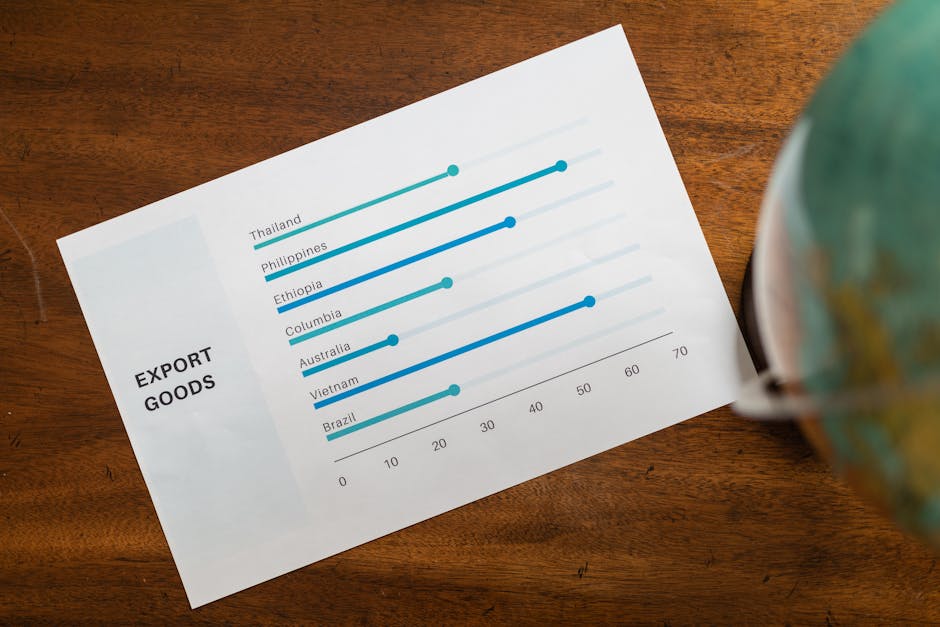
The World at Your Fingertips: Understanding Globalization and International Trade
Did you know that the smartphone in your pocket likely contains components manufactured in over a dozen countries? This isn’t magic; it’s the power of globalization and international trade, forces that have fundamentally reshaped our world, making it more interconnected and interdependent than ever before. You might wonder how these complex forces affect your daily life, your job, and the global economy at large. This article will demystify globalization and international trade, exploring their mechanisms, benefits, challenges, and what they mean for you.
Table of Contents
- What is Globalization?
- What is International Trade?
- The Driving Forces Behind Globalization
- Benefits of Globalization and International Trade
- Challenges and Criticisms
- Case Study: The Global Supply Chain of Coffee
- The Future of Globalization and Trade
- Frequently Asked Questions (FAQ)
- References
What is Globalization?
Globalization refers to the process by which businesses or other organizations develop international influence or start operating on an international scale. It’s about the increasing interdependence of the world’s economies, cultures, and populations, brought about by cross-border trade in goods and services, technology, and flows of investment, people, and information. Think of it as the world shrinking, with borders becoming less significant barriers to connection.
What is International Trade?
International trade is the exchange of capital, goods, and services across international borders or territories. In most countries, it represents a significant share of Gross Domestic Product (GDP). It’s the engine that powers much of globalization, allowing countries to specialize in producing what they do best and trade for what they need. This specialization is based on the principle of comparative advantage, where countries can produce goods or services at a lower opportunity cost than other countries.
The Driving Forces Behind Globalization
Several key factors have propelled the current wave of globalization:
Technological Advancements
The internet, high-speed telecommunications, and advancements in computing have made it easier and cheaper to communicate, transact, and manage operations across vast distances. This has enabled the rise of global value chains, where different stages of production occur in different countries.
Policy and Deregulation
Many governments have reduced trade barriers, such as tariffs and quotas, and deregulated markets to encourage foreign investment and cross-border commerce. International agreements like those facilitated by the World Trade Organization (WTO) play a crucial role in standardizing trade practices.
Reduced Transportation Costs
Innovations in shipping, air cargo, and logistics have made it more affordable and efficient to move goods around the globe. This has dramatically lowered the cost of importing and exporting, making international trade more feasible for a wider range of businesses.
Benefits of Globalization and International Trade
When managed effectively, globalization and international trade offer substantial advantages:
Economic Growth and Efficiency
Specialization allows countries to focus on producing goods and services where they have a competitive edge, leading to increased productivity and economic growth. Businesses can access larger markets, economies of scale, and specialized resources.
Increased Consumer Choice and Lower Prices
Consumers benefit from a wider variety of goods and services from around the world. Competition among global producers often drives down prices, increasing purchasing power.
Innovation and Knowledge Sharing
The global exchange of ideas, research, and best practices accelerates innovation. Companies are incentivized to innovate to remain competitive in the global marketplace.
Cultural Exchange
Beyond economics, globalization fosters greater understanding and appreciation of different cultures. As people and ideas travel more freely, we see a rich tapestry of cultural exchange, leading to a more diverse and vibrant global society. This aspect of globalization is explored further in Globalization and Cultural Exchange: Bridging Worlds, Enriching Lives.
Challenges and Criticisms
Despite its benefits, globalization is not without its drawbacks:
Job Displacement and Wage Stagnation
In developed countries, manufacturing jobs may move to countries with lower labor costs, leading to job losses and wage stagnation for certain segments of the workforce. This is a key concern when considering Globalization’s Double-Edged Sword: Unpacking Its Impact on Developing Economies.
Environmental Concerns
Increased global production and transportation can lead to higher carbon emissions and environmental degradation. The long supply chains also raise concerns about resource depletion and pollution.
Growing Inequality
While some benefit immensely from globalization, others are left behind, potentially widening the gap between the rich and the poor, both within and between countries.
Cultural Homogenization
Critics argue that the dominance of certain global brands and cultural products can lead to the erosion of local traditions and the homogenization of cultures.
Case Study: The Global Supply Chain of Coffee
Consider your morning cup of coffee. It’s a perfect example of globalization in action. The beans might be grown by smallholder farmers in Ethiopia or Colombia, relying on specific climate conditions. They are then harvested, processed, and shipped to a roaster, perhaps in Italy or the United States. Packaging might be sourced from China, and the final product distributed globally. Each step involves different countries, technologies, and labor forces.
Challenge: A severe drought in Brazil (a major coffee producer) threatens the global supply, leading to price spikes and shortages worldwide. Farmers in other regions face pressure to increase production rapidly, sometimes with unsustainable farming practices.
Resolution: International trade agreements and cooperative efforts between major coffee-producing nations and consuming markets help to stabilize prices. Investments in drought-resistant coffee varietals and sustainable farming techniques, supported by global research institutions, are promoted to build resilience. Consumers might choose to support fair-trade certified coffee, ensuring better prices for farmers and more sustainable practices.
The Future of Globalization and Trade
The future of globalization is complex, influenced by geopolitical shifts, technological innovation, and a growing awareness of its social and environmental impacts. While the trend towards greater interconnectedness is likely to continue, it may evolve. We might see a rise in regional trade blocs, a greater emphasis on supply chain resilience, and increased demand for sustainable and ethically sourced products. Adapting to these changes will be crucial for businesses and individuals alike.
Frequently Asked Questions (FAQ)
Q1: How does international trade affect my job?
International trade can create new job opportunities, particularly in export-oriented industries or sectors that benefit from access to cheaper imported inputs. However, it can also lead to job displacement in industries that face intense foreign competition. The net effect on employment and wages often depends on a country’s specific economic policies and the skills of its workforce.
Q2: Is globalization making the world more peaceful?
Economic interdependence can create incentives for countries to avoid conflict, as wars disrupt trade and investment. However, globalization also exposes deep-seated inequalities and cultural differences, which can sometimes be sources of tension. The relationship between globalization and peace is multifaceted and debated among scholars.
Q3: How can I, as a consumer, support ethical global trade?
You can support ethical global trade by choosing products from companies that demonstrate transparency in their supply chains, adhere to fair labor practices, and are committed to environmental sustainability. Look for certifications like Fair Trade, Organic, or B Corp. Educating yourself about where products come from and the conditions under which they are made is also a powerful step.
References
- World Trade Organization (WTO): www.wto.org
- International Monetary Fund (IMF) – Globalization: www.imf.org
- Harvard Business Review – Globalization: hbr.org
- MIT OpenCourseware – International Economics: ocw.mit.edu
- Council on Foreign Relations – Global Economy: www.cfr.org
- The World Bank – Trade: www.worldbank.org
- Google Scholar – Globalization and Trade: scholar.google.com
- Forbes – Globalization Insights: www.forbes.com
Featured image by RDNE Stock project on Pexels