Globalization and Cultural Exchange: Bridging Worlds, Enriching Lives
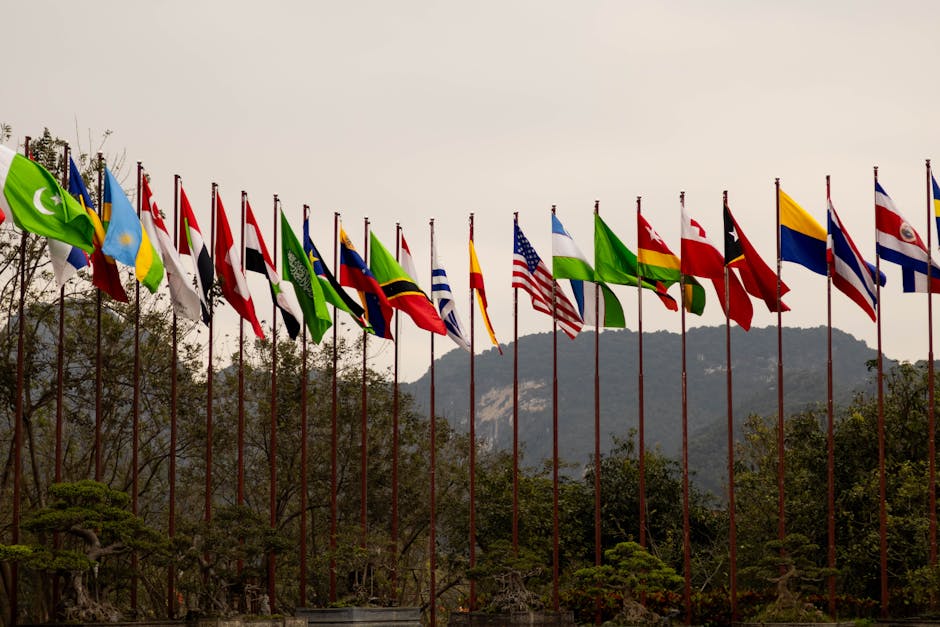
The Intertwined Dance of Globalization and Cultural Exchange
In today’s rapidly shrinking world, the concepts of globalization and cultural exchange are not merely academic terms; they are powerful forces shaping our daily lives. Globalization, the increasing interconnectedness of economies, societies, and cultures across national borders, acts as a catalyst for unprecedented cultural exchange. This exchange, in turn, enriches our understanding of the world and its diverse inhabitants, though it also presents unique challenges.
Table of Contents
- The Intertwined Dance of Globalization and Cultural Exchange
- Understanding the Synergy
- The Multifaceted Impact on Societies
- Culinary Crossroads
- Artistic and Media Influence
- Language and Ideological Shifts
- Navigating the Nuances: Challenges and Opportunities
- The Risk of Homogenization
- Cultural Appropriation vs. Appreciation
- Fostering Genuine Exchange
- Case Study: "Spice Routes" – A Hypothetical Restaurant Chain
- Conclusion: Embracing a Richer Global Tapestry
- References
Understanding the Synergy
Think of globalization like the internet and international travel. Before these advancements, sharing ideas, foods, music, and perspectives across vast distances was slow and arduous. Now, a single click or a flight can expose us to a multitude of cultures. This rapid dissemination is the engine driving cultural exchange, allowing traditions, innovations, and values to travel and intermingle like never before.
Key facets of this synergy include:
- Economic Interdependence: As businesses expand globally, they bring their corporate cultures, practices, and products to new markets, inevitably influencing local customs and consumption patterns.
- Technological Advancements: The internet, social media, and digital communication platforms have democratized the sharing of cultural content, from K-Pop spreading worldwide to independent filmmakers reaching global audiences.
- Migration and Mobility: Increased international travel and migration mean more people are living, working, and interacting in cultures different from their own, fostering a dynamic blend of traditions and ideas.
The Multifaceted Impact on Societies
The effects of globalization and cultural exchange are far-reaching, influencing everything from culinary trends to political ideologies.
Culinary Crossroads
Perhaps one of the most visible and enjoyable aspects of cultural exchange is our food. Once confined to specific regions, dishes like sushi, pasta, tacos, and curries are now global staples. This culinary fusion not only expands our palates but also reflects a deeper integration of cultures, where ingredients and cooking techniques from different parts of the world are combined to create innovative new flavors.
Artistic and Media Influence
Globalized media platforms have become powerful conduits for cultural dissemination. Hollywood movies, Bollywood productions, and Japanese anime have captivated audiences worldwide. Similarly, music genres like hip-hop, reggae, and electronic dance music have transcended geographical boundaries, influencing local music scenes and creating a shared global soundtrack. For those navigating diverse teams, understanding these influences is key, as highlighted in articles on cross-cultural leadership adaptability. Developing strong Cross-Cultural Leadership Competencies in Global Teams is essential for effective management in this interconnected environment.
Language and Ideological Shifts
While English has become a dominant global language, globalization also spurs an interest in learning other languages as people engage more directly with different cultures. Furthermore, the exchange of ideas facilitated by globalization can lead to shifts in political and social ideologies, as different perspectives are introduced and debated on a global scale.
Navigating the Nuances: Challenges and Opportunities
While cultural exchange offers immense benefits, it’s not without its complexities.
The Risk of Homogenization
One of the primary concerns is the potential for cultural homogenization – the idea that dominant global cultures might overwhelm and erode unique local traditions and identities. This can be likened to a popular song overshadowing local musicians; while the popular tune is widely enjoyed, it might lead to less appreciation for the unique melodies originating from smaller communities.
Cultural Appropriation vs. Appreciation
Distinguishing between genuine cultural appreciation and harmful appropriation is a critical challenge. Appreciation involves respectful engagement, understanding, and acknowledgment of the source culture. Appropriation, conversely, can involve the adoption of elements from a minority culture by members of the dominant culture, often without understanding or respect, and sometimes for commercial gain, stripping them of their original meaning.
Fostering Genuine Exchange
To ensure that globalization leads to positive cultural exchange, it’s crucial to foster an environment of respect, curiosity, and mutual understanding. This involves actively seeking to learn about other cultures, engaging in respectful dialogue, and supporting the preservation of diverse cultural heritage.
Case Study: "Spice Routes" – A Hypothetical Restaurant Chain
Scenario: "Spice Routes" is a hypothetical restaurant chain aiming to bring authentic global flavors to diverse urban centers. The challenge lies in authentically representing various cuisines without falling into the trap of cultural appropriation or creating a diluted, "fusion" experience that loses the essence of the original dishes.
Challenge: Initial menu development focused on popular dishes from India, Mexico, and Thailand. However, feedback indicated that while popular, the dishes lacked the nuanced authenticity that customers from those cultural backgrounds expected. Furthermore, some critics accused the chain of "gentrifying" traditional foods.
Resolution: "Spice Routes" revamped its approach. They partnered directly with chefs and cultural consultants from each represented region. Instead of creating a single fusion menu, they established distinct "culinary corners" within each restaurant, each dedicated to a specific region with its own authentic menu and even regional decor. They also launched a "Meet the Chef" series, inviting guest chefs and hosting cultural events to educate patrons about the origins and significance of their dishes. This shift from homogenization to authentic representation, coupled with an educational component, transformed customer perception and fostered genuine appreciation for the diverse culinary traditions, turning a potential pitfall into a celebrated aspect of the brand.
Conclusion: Embracing a Richer Global Tapestry
Globalization and cultural exchange are inextricably linked, creating a dynamic global landscape. By approaching these forces with open minds, a commitment to respect, and a genuine desire to learn, we can harness their power to foster greater understanding, break down barriers, and build a more interconnected and enriched world. The ongoing dialogue about ethical leadership and its role in navigating these complex global interactions further underscores the importance of mindful engagement.
References
- Hofstede Insights: https://www.hofstede-insights.com/
- UNESCO – Intangible Cultural Heritage: https://ich.unesco.org/
- Pew Research Center – Global Attitudes & Trends: https://www.pewresearch.org/global/
- MIT Press – Globalization Journals: https://direct.mit.edu/journals/
- Brookings Institution – Global Economy and Development: https://www.brookings.edu/topic/global-economy-and-development/
- Journal of International Business Studies: https://onlinelibrary.wiley.com/journal/14709164
- World Economic Forum – Globalization Topics: https://www.weforum.org/topics/globalisation
Featured image by Khánh Quan on Pexels