Cultural Diplomacy & Soft Power: Shaping Global Perceptions Without Force
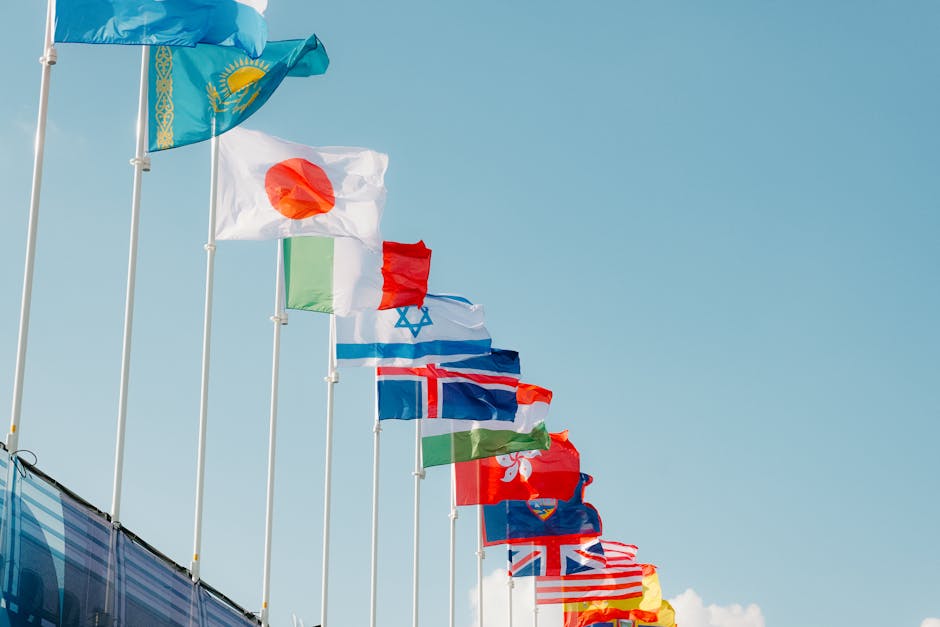
The Unseen Architects of Global Influence: Cultural Diplomacy and Soft Power
In a world increasingly interconnected, the tools of statecraft are evolving. Beyond military might and economic sanctions lies a more subtle, yet profoundly effective, approach to international relations: cultural diplomacy and soft power. These concepts, championed by thinkers like Joseph Nye, highlight how nations can attract and persuade rather than coerce.
Table of Contents
- The Unseen Architects of Global Influence: Cultural Diplomacy and Soft Power
- Understanding the Core Concepts
- Why Soft Power Matters in the Modern Age
- The Pillars of Soft Power
- Cultural Diplomacy in Action: Tools and Strategies
- Comparing Hard Power vs. Soft Power
- Addressing Potential Objections
- The Future of Influence
- Conclusion
- References
Understanding the Core Concepts
Soft Power refers to the ability of a country to persuade others to do what it wants without force or coercion. It arises from the attractiveness of a country’s culture, political ideals, and policies. Think of the global appeal of Hollywood movies, the widespread adoption of democratic values, or the international admiration for a nation’s environmental policies.
Cultural Diplomacy is the practice of leveraging these attractive elements. It’s the deliberate use of cultural exchange programs, educational initiatives, artistic collaborations, and the promotion of language and values to foster mutual understanding and build positive relationships between nations.
Why Soft Power Matters in the Modern Age
Traditional hard power—military and economic might—often leads to resentment and resistance. Soft power, on the other hand, cultivates goodwill and voluntary alignment. When a nation’s culture, values, and policies are seen as attractive, other nations are more inclined to cooperate and support its objectives. This is particularly relevant in an era where information spreads instantaneously, and public opinion can significantly influence international dynamics. Understanding the sociology of power structures helps us see how these less tangible forms of influence operate.
The Pillars of Soft Power
Joseph Nye identified three primary sources of soft power:
- Culture: When a country’s culture is appealing to others, it enhances its attractiveness. This includes popular culture (music, film, food), high culture (literature, art), and societal values.
- Political Values: When a country lives up to its stated values at home and abroad, it gains credibility and admiration. Democracy, human rights, and rule of law are often cited as attractive political ideals.
- Foreign Policies: When a country’s foreign policies are seen as legitimate and having moral authority, it enhances its soft power. Policies perceived as promoting peace, development, and international cooperation are generally more effective.
Cultural Diplomacy in Action: Tools and Strategies
Cultural diplomacy is the strategic implementation of soft power. It involves:
- Educational Exchanges: Programs like Fulbright or Erasmus allow students and scholars to experience different cultures firsthand, fostering long-term connections and mutual understanding.
- Cultural Events: International film festivals, music tours, art exhibitions, and sporting events can showcase a nation’s creativity and values to a global audience.
- Language Promotion: Supporting the teaching and learning of a nation’s language abroad creates a gateway to its culture and facilitates deeper engagement.
- Public Diplomacy: This broader category includes using media, the internet, and other communication channels to communicate a nation’s narrative and values directly to foreign publics.
- International Aid and Development: While often seen as economic policy, well-executed aid programs that genuinely help developing nations can significantly enhance a country’s reputation and goodwill.
Comparing Hard Power vs. Soft Power
| Feature | Hard Power | Soft Power |
|---|---|---|
| Mechanism | Coercion, payment, military force | Attraction, persuasion, shared values |
| Approach | Command, imposition | Cooperation, influence |
| Time Horizon | Short to medium term | Long term |
| Sustainability | Often creates resentment, temporary | Builds lasting relationships, sustainable |
| Cost | High financial and human cost | Relatively lower financial cost |
| Example | Sanctions, military intervention | Cultural festivals, educational exchanges |
Many argue that a blend of both hard and soft power, often termed ‘smart power,’ is the most effective approach. However, the increasing interconnectedness fostered by globalization and cultural exchange makes soft power an indispensable tool.
Addressing Potential Objections
Some might argue that soft power is too intangible, too slow to yield results, or easily undermined by a nation’s domestic policies or controversial foreign actions. This is a valid concern. Soft power requires consistency and authenticity. A nation that promotes democracy abroad while suppressing dissent at home will struggle to gain credibility. Similarly, a country known for its vibrant arts might negate this advantage through protectionist trade policies. The effectiveness of soft power is directly tied to the perceived legitimacy and attractiveness of a nation’s overall character and actions. This underlines the importance of Cross-Cultural Leadership Competencies in Global Teams not just in business but in international relations.
Others may question if investing in cultural diplomacy is a worthwhile use of resources when more pressing issues like economic stability or national security exist. However, the reality is that a positive global image can indirectly bolster economic ties, attract investment, and even reduce the likelihood of conflict, thus contributing to long-term security. The power of gratitude can be a metaphor for how positive perceptions foster stronger relationships.
The Future of Influence
As the world navigates complex challenges, from climate change to pandemics, the ability of nations to cooperate is paramount. Cultural diplomacy and soft power offer a pathway to building the trust and mutual understanding necessary for such cooperation. They are not mere tools of public relations but fundamental strategies for building enduring relationships and achieving sustainable global influence. It’s about winning hearts and minds, not through force, but through shared humanity and mutual appreciation. This approach contrasts sharply with more manipulative or authoritarian rule vs. dictatorship models, and even the subtle influence tactics that can lead to psychopaths and narcissists winning positions of power.
Conclusion
Cultural diplomacy and soft power are essential components of a comprehensive foreign policy. By fostering a positive global image through shared cultural experiences, values, and attractive policies, nations can build bridges, enhance their influence, and contribute to a more peaceful and cooperative world. It is a testament to the idea that true power often lies not in the ability to compel, but in the capacity to inspire.
References
- Nye Jr, J. S. (2004). Soft Power: The Means to Success in World Politics. PublicAffairs.
- Gilboa, E. (2008). Searching for a “Definition of Public Diplomacy.” The ANNALS of the American Academy of Political and Social Science, 616(1), 116–125. scholar.google.com
- Schneider, C. J. (2009). Cultural Diplomacy: Its Challenges and Opportunities. SAIS Review of International Affairs, 29(2), 127-132. scholar.google.com
- Cultural Diplomacy. (n.d.). U.S. Department of State. state.gov
- How soft power influences international relations. (2020, July 28). World Economic Forum. weforum.org
- Bridging Cultures: The Role of Public Diplomacy in Cultural Exchange. (n.d.). Meridian International Center. meridian.org
- The concept of soft power. (2016, December 1). Harvard Kennedy School – Belfer Center. belfercenter.org
- What Is Soft Power? Definition, Examples, and Strategies. (2023, April 14). MasterClass. masterclass.com
- Global Soft Power Summit. (n.d.). Brand Finance. brandfinance.com
- Demir, O. (2017). Soft Power and Public Diplomacy: Turkey’s Cultural Diplomacy. The Turkish Yearbook of International Relations, 48, 37-62. ius.edu.tr
- How does cultural diplomacy work? (2018, August 1). British Council. britishcouncil.org
Featured image by Mathias Reding on Pexels