Building Trust in Leadership: The Ultimate Guide for Leaders
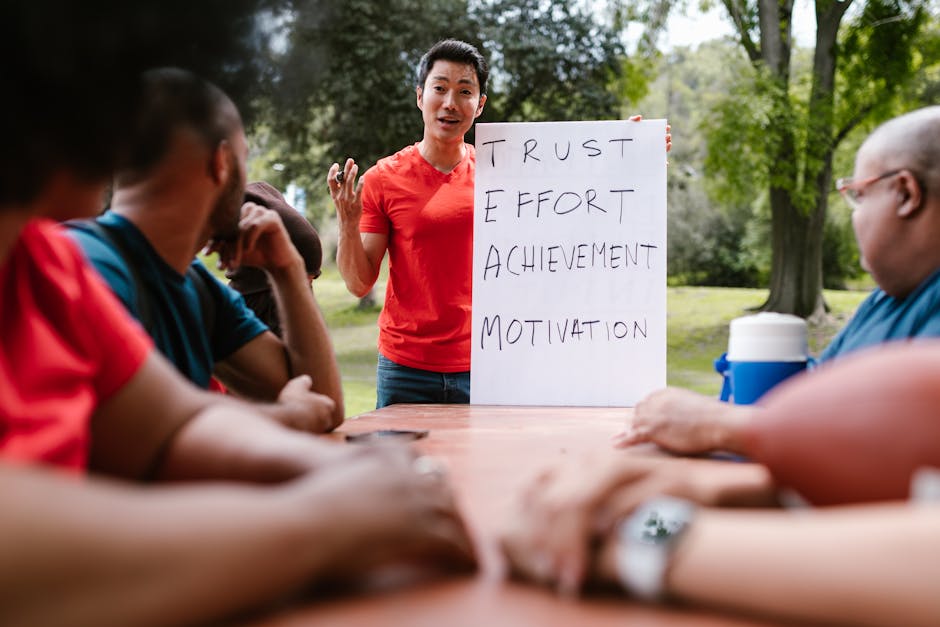
Table of Contents
- The Foundation of Influence: Why Trust Matters
- Core Pillars of Trustworthy Leadership
- Strategies for Building Trust
- Building Trust: A Step-by-Step Guide
- Action Plan for Leaders
- When Trust is Broken: Repair and Rebuilding
- Conclusion
- References
The Foundation of Influence: Why Trust Matters
Trust isn’t a soft skill; it’s the bedrock upon which all successful leadership is built. Without it, even the most brilliant strategies falter, and the most talented teams disintegrate. Trust creates a psychological safety net, allowing individuals to take risks, innovate, and be vulnerable, knowing their leader has their best interests at heart. When leaders are trusted, employees are more engaged, productive, and loyal. This translates directly into better team performance optimization and a more resilient organization, especially during challenging times. In essence, trust is the currency of influence, and a leader who operates without it is perpetually bankrupt. Building trust is not merely about being liked; it is about being respected, relied upon, and ultimately, effective in guiding your team toward shared objectives.
The ‘Why’ Behind Trust
Trust is the invisible glue that holds teams and organizations together. It enables effective collaboration, fosters psychological safety, and is a prerequisite for genuine engagement and high performance. Leaders who prioritize building trust create environments where people feel valued, respected, and motivated to contribute their best work. The absence of trust breeds cynicism, disengagement, and ultimately, turnover, costing organizations significantly in lost productivity and talent retention. A high-trust environment accelerates decision-making, encourages innovation, and creates a more positive and productive workplace culture.
Core Pillars of Trustworthy Leadership
Building trust is a continuous process, not a one-time event. It’s cultivated through consistent actions that demonstrate specific qualities. These pillars form the essential framework for any leader aiming to earn and maintain the confidence of their team. They are the fundamental building blocks that, when consistently applied, create a reliable and predictable leadership presence.
Honesty and Transparency
Openness about decisions, challenges, and future plans is paramount. When leaders are candid, even about difficult news, they signal respect for their team’s intelligence and their right to be informed. This doesn’t mean sharing every confidential detail, but rather providing context, rationale, and the ‘why’ behind strategic moves. Transparency demystifies leadership actions, reduces the breeding ground for rumors and speculation, and fosters a sense of partnership. Leaders who are transparent build confidence by showing they have nothing to hide and that they value their team’s input and understanding.
Competence and Consistency
People trust leaders who know what they’re doing and who behave predictably. This means demonstrating expertise in relevant areas, making sound decisions, and consistently following through on commitments. Competence is demonstrated through skills, knowledge, and effective problem-solving. Consistency in action, communication, and demeanor creates a sense of reliability and predictability. When a leader’s behavior is erratic, their decisions seem arbitrary, or their commitments are unmet, it erodes confidence and creates uncertainty. This links directly to the need for effective problem-solving skills for leaders, as those who consistently arrive at sound solutions are often perceived as highly competent and reliable.
Empathy and Compassion
Understanding and valuing the human element is critical. Empathetic leaders acknowledge the challenges, perspectives, and emotional states of their team members. They show genuine care for their well-being, not just their productivity output. This involves active active listening for leaders, seeking to understand before being understood, and responding with kindness and support, especially during times of personal or professional difficulty. When leaders demonstrate compassion, it builds deeper connections and fosters loyalty, as employees feel seen and cared for as individuals.
Accountability and Integrity
Trust is built when leaders take responsibility for their actions and decisions, both successes and failures. Integrity means aligning one’s actions with one’s words, values, and ethical principles. Leaders who hold themselves to high ethical standards, who are transparent about their intentions, and who are willing to admit when they are wrong are more likely to be trusted. This is a cornerstone of accountability in leadership, where owning mistakes fosters a culture of learning, resilience, and psychological safety. Integrity ensures that leaders act in the best interests of the team and organization, even when it’s difficult.
Strategies for Building Trust
Beyond understanding the core pillars, leaders must actively implement strategies to foster a high-trust environment. These are practical, actionable steps that can be integrated into daily leadership practices to cultivate and reinforce trust.
Lead by Example
Your actions speak louder than your words. Demonstrate the behaviors you expect from your team – integrity, hard work, respect, and a positive, resilient attitude. If you want your team to be transparent, be transparent yourself. If you want them to be accountable, hold yourself accountable first. This principle of “walking the talk” is crucial for ethical leadership and sets the standard for the entire team. Your consistent behavior models the desired culture.
Foster Open Communication
Create and maintain channels for open, honest dialogue where team members feel safe to express ideas, concerns, suggestions, and feedback without fear of retribution. This includes regular one-on-one meetings, effective team meetings, anonymous feedback mechanisms, and an accessible “open-door” policy. Effective communication for leaders involves not just speaking clearly and persuasively but also creating an environment where active listening is paramount and everyone feels heard and valued.
Empower Your Team
Delegate meaningful tasks and provide the autonomy, resources, and support for individuals to complete them successfully. Trusting your team with responsibility demonstrates your belief in their capabilities, fosters their professional growth, and increases their sense of ownership. This autonomy, when coupled with clear expectations, constructive feedback, and readily available support, is a powerful trust-builder. It’s also fundamental to effective talent development and succession planning, as it provides opportunities for team members to learn and advance.
Admit Mistakes and Learn
No leader is infallible. When you make a mistake, own it fully and sincerely. Explain what happened, what you’ve learned from the experience, and what specific steps you will take to prevent similar errors in the future. This act of vulnerability humanizes you, making you more relatable, and importantly, encourages others to be open about their own learning processes and mistakes, fostering a culture of continuous improvement rather than fear of failure. This reinforces trust by demonstrating maturity and a commitment to growth.
Recognize and Reward
Actively acknowledge and celebrate the successes, significant efforts, and contributions of your team members. Public and private recognition demonstrates that you see and value their hard work and achievements. This not only boosts morale and motivation but also reinforces the idea that good performance is noticed, appreciated, and rewarded, fueling positive motivation and engagement strategies. Consistent recognition builds a sense of fairness and appreciation within the team.
Building Trust: A Step-by-Step Guide
Building trust is a dynamic process. Here’s a structured approach to embedding trust-building practices into your leadership:
- Self-Assessment: Honestly evaluate your current leadership behaviors against the core pillars of trust (honesty, competence, empathy, integrity). Identify areas where you can improve.
- Communicate Vision and Values: Clearly articulate the team’s purpose, goals, and core values. Ensure these are not just words but are reflected in daily decisions and actions.
- Establish Clear Expectations: Define roles, responsibilities, performance standards, and communication protocols. Ensure everyone understands what is expected of them and what they can expect from leadership.
- Practice Active Listening: Make a conscious effort in every interaction to truly hear and understand your team members’ perspectives, concerns, and ideas before responding.
- Be Consistently Fair and Equitable: Apply policies and make decisions consistently across the team, avoiding favoritism. Treat everyone with respect and dignity.
- Empower and Delegate Effectively: Identify opportunities to give team members more autonomy and responsibility, providing the necessary support and resources.
- Provide Constructive Feedback: Deliver feedback regularly, focusing on behavior and growth, not just outcomes. Be specific, timely, and actionable.
- Own Your Mistakes: When errors occur, take responsibility, apologize sincerely, and outline corrective actions and lessons learned.
- Celebrate Successes: Regularly acknowledge and appreciate individual and team achievements, both large and small.
- Seek and Act on Feedback: Proactively ask for feedback on your leadership and be open to receiving and acting upon it. Demonstrate that feedback leads to positive change.
Action Plan for Leaders
Use this checklist to guide your daily and weekly efforts in building trust:
- – [ ] Daily: Greet team members and engage in brief, positive interactions.
- – [ ] Daily: Practice active listening in at least one conversation.
- – [ ] Daily: Follow through on at least one small commitment made to a team member.
- – [ ] Daily: Demonstrate one action aligned with core company values.
- – [ ] Weekly: Schedule and conduct meaningful one-on-one meetings.
- – [ ] Weekly: Publicly or privately acknowledge a team member’s contribution or effort.
- – [ ] Weekly: Review and address any outstanding feedback or concerns raised by the team.
- – [ ] Weekly: Ensure decisions made reflect fairness and clarity.
- – [ ] Monthly: Seek direct feedback on your leadership effectiveness.
- – [ ] Monthly: Identify and delegate a task that offers a growth opportunity for a team member.
- – [ ] As Needed: Transparently communicate significant updates or changes.
- – [ ] As Needed: Sincerely apologize and take responsibility for any mistakes.
Contrast Table: Trust-Building Behaviors
| Less Trustworthy Leader Actions | More Trustworthy Leader Actions |
|---|---|
| Withholding information; providing vague or incomplete answers. | Sharing information openly and proactively; explaining the rationale behind decisions. |
| Inconsistent expectations; unpredictable or biased behavior; favoritism. | Setting clear, consistent expectations; acting predictably and fairly. |
| Dismissing concerns; showing impatience or disinterest when team members speak up. | Actively listening; validating feelings and concerns; seeking to understand before responding. |
| Blaming others for failures; deflecting responsibility. | Taking responsibility for outcomes; owning mistakes and failures. |
| Micromanaging tasks; not trusting team members with autonomy. | Empowering team members with autonomy; providing support without hovering. |
| Making promises but failing to deliver; inconsistent follow-through. | Keeping commitments; following through reliably on words and actions. |
| Lack of transparency about personal learning or mistakes. | Openly admitting mistakes and sharing lessons learned. |
When Trust is Broken: Repair and Rebuilding
Mistakes and missteps can, and sometimes do, occur, leading to damaged trust. The key is not to avoid errors altogether, which is impossible, but to master the art of repair. Rebuilding trust requires a conscious, consistent, and often sustained effort. It is a delicate process that demands vulnerability and genuine commitment. This typically involves:
- Acknowledge the Breach with Sincerity: Clearly and unequivocally apologize for the specific action or inaction that caused the damage. Avoid hedging or minimizing the impact.
- Take Full Responsibility: Refrain from making excuses, blaming external factors, or pointing fingers at others. Own your part in the breach completely.
- Demonstrate Changed Behavior Consistently: Words are insufficient. Show through sustained, trustworthy actions over time that you have learned from the experience and are committed to operating with integrity and reliability. This is the most crucial step.
- Be Patient and Persistent: Understand that rebuilding trust is a marathon, not a sprint. It takes time for individuals to feel confident again. Don’t expect immediate forgiveness or restored faith.
- Seek and Value Feedback: Actively ask how you can rebuild trust and what specific actions would help. Listen attentively to the feedback, show you are considering it, and demonstrate responsiveness where appropriate.
- Address Underlying Issues: If the breach was due to a systemic issue or a misunderstanding of policies or expectations, ensure those are addressed and clarified to prevent recurrence.
For significant breaches, particularly those impacting team safety or organizational stability (like during major restructuring or layoffs), targeted interventions are often necessary. Protocols for restoring psychological safety after corporate downsizing become paramount. These initiatives are critical for leaders to mend fractured relationships, regain credibility, and re-establish a secure and productive work environment.
Conclusion
Building trust in leadership is not a passive state but an active, ongoing journey that demands unwavering authenticity, profound integrity, and a genuine, demonstrable commitment to the well-being and professional growth of your team. It is not about achieving a state of perfection, but about the persistent, diligent effort, transparent communication, and resolute accountability demonstrated daily. A leader who consistently cultivates trust unlocks immense potential within their team, fostering an environment where innovation flourishes, challenges are met with collective resilience, and shared objectives are achieved with greater efficacy and enthusiasm. By making trust-building a core leadership priority, you invest directly in the enduring success, stability, and vibrant culture of your team and organization.
What’s the most challenging aspect of building trust for you as a leader, and what’s one strategy you’ve found most effective in overcoming it?
References
- Covey, S. R. (2006). The Speed of Trust: The One Thing That Changes Everything.
- Gallo, C. (2019, February 12). The Importance of Trust in Leadership. Forbes.
- Lencioni, P. (2002). The Five Dysfunctions of a Team: A Leadership Fable.
- Harvard Business Review. (n.d.). Building Trust in the Workplace.
- Harvard Business Review. (2017, November-December). Trust in Leadership.
- Mayer, R. C., Davis, J. H., & Schoorman, F. D. (1995). An Integrative Model of Organizational Trust. Academy of Management Review, 20(3), 709-734.
- MIT Sloan School of Management. (n.d.). The Neuroscience of Trust.
- PMI. (2021). Building Trust: The Core of Leadership. Project Management Journal, 52(1), 3-7.
Featured image by RDNE Stock project on Pexels