Mastering Crisis Chaos: Ephemeral Team Orchestration for Humanitarian Aid
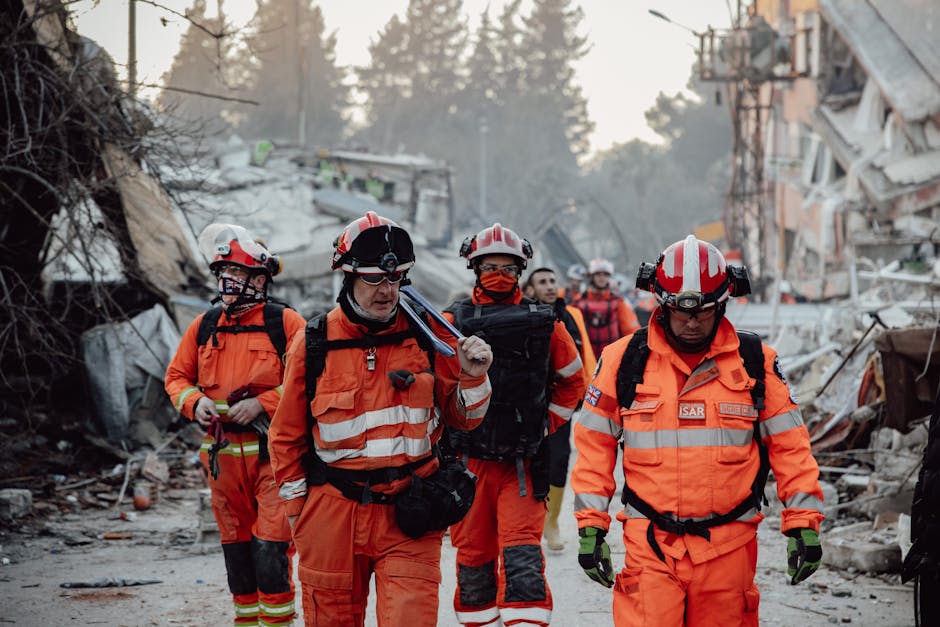
Mastering Ephemeral Teams in Crisis
Humanitarian aid deployments demand highly adaptable, short-lived (ephemeral) teams to respond to rapidly evolving crises with scarce resources and overwhelming uncertainty. Effective orchestration isn’t about rigid control, but about fostering rapid trust, clear communication, and agile decision-making. This guide provides actionable strategies for leaders to build, deploy, and disband these vital units efficiently, ensuring maximum impact under extreme pressure, while prioritizing team well-being and continuous learning.
Introduction
In the unpredictable landscape of humanitarian crises—natural disasters, conflicts, or public health emergencies—the call for rapid, effective response is paramount. These situations are characterized by ‘low-resource’ environments, where conventional infrastructure and supplies are scarce, and ‘high-ambiguity,’ meaning information is incomplete, rapidly changing, and often contradictory. To navigate this chaos, ad-hoc, or ‘ephemeral,’ crisis response units are frequently deployed. These teams form quickly, operate intensely for a defined, often short, period, and then disband, their members moving on to other critical tasks or deployments. The challenge for leaders is not just to manage but to orchestrate these transient, high-stakes teams to deliver maximum impact with minimal friction.
Table of Contents
- The Unique Imperatives of Ephemeral Teams
- Pillars of Effective Ephemeral Team Orchestration
- Practical Orchestration Checklists for Leaders
- The Human Element: Mitigating Burnout and Fostering Resilience
- Conclusion
- References
The Unique Imperatives of Ephemeral Teams
Ephemeral teams aren’t just temporary; they operate under a distinct set of pressures that demand specialized orchestration strategies. Understanding these imperatives is the first step toward building resilience and effectiveness.
Rapid Formation and Dissolution
Unlike traditional teams, crisis response units often assemble within hours or days, bringing together individuals who may have never worked together before. Their mission is urgent and time-bound, necessitating rapid integration and immediate impact. Once the immediate crisis phase subsides or their specific objective is met, they disband, and members redeploy. This constant flux requires mechanisms for quick onboarding, role clarification, and efficient handover.
Diverse Expertise and Cultural Nuances
These teams are typically multidisciplinary, comprising medical personnel, logistics experts, engineers, protection officers, and local community liaisons. They often span multiple nationalities and cultural backgrounds, bringing a rich tapestry of skills and perspectives but also potential communication barriers and differing operational norms. Orchestration must harness this diversity as a strength, not a hindrance.
Operational Under Scarcity and Uncertainty
Low-resource environments mean limited equipment, unreliable power, intermittent communication, and often insufficient personnel. High-ambiguity implies that mission objectives can shift dramatically, local dynamics are complex, and reliable data is scarce. You, as a leader, are constantly making decisions with imperfect information in an environment where even basic needs might be challenged.
Pillars of Effective Ephemeral Team Orchestration
Effective orchestration for these units hinges on several core principles that transcend traditional management approaches. They are about enablement, not control.
Principle 1: Adaptive Leadership and Empowerment
In chaotic environments, rigid, top-down leadership is ineffective. Adaptive leaders can shift their approach based on evolving needs, empowering team members to make on-the-ground decisions. This means setting clear boundaries and objectives, then trusting your team to innovate within those parameters. The ability to pivot quickly and allow autonomy is crucial.
Principle 2: Crystallized Communication Pathways
Clarity in communication is non-negotiable. With diverse teams and unreliable infrastructure, establishing primary, secondary, and even tertiary communication methods is vital. This includes not just what is communicated, but how—brief, direct, and actionable messages that cut through noise.
Principle 3: Swift Trust & Psychological Safety
Building trust takes time in stable environments, a luxury ephemeral teams don’t have. Leaders must actively facilitate rapid trust-building exercises, encourage vulnerability, and create a psychologically safe space where team members feel comfortable speaking up, admitting mistakes, and sharing concerns without fear of retribution. This is paramount for high-performing teams, especially in high-stress situations. The principles of psychological safety restoration protocols are highly relevant here, ensuring team members feel valued and secure even amidst crisis.
Why Rapid Trust is Critical
In high-stakes, time-sensitive humanitarian deployments, team members must rely on each other implicitly. There’s no room for second-guessing intentions or abilities. Rapid trust fosters efficient collaboration, swift problem-solving, and cohesive action, directly impacting the effectiveness and safety of the mission. Without it, precious time is lost, and potential risks escalate.
Principle 4: Resourcefulness and Prioritization
Given the low-resource context, leaders must cultivate a culture of resourcefulness. This means making the most of what’s available, repurposing items, and collaborating with local communities. Prioritization becomes a daily, sometimes hourly, exercise—distinguishing urgent from important, and being prepared to de-prioritize tasks that no longer align with the most pressing needs.
Practical Orchestration Checklists for Leaders
Here are actionable steps you can take to orchestrate ephemeral teams effectively.
Pre-Deployment Preparedness Checklist
- Define Mission Parameters: Clearly articulate the core objective, geographic scope, and expected duration.
- Assemble Core Skills Matrix: Identify essential roles and match available personnel based on validated expertise and prior experience.
- Standardize Minimum Viable Protocols: Outline essential communication channels, safety protocols, and reporting structures. Keep them simple and adaptable.
- Pre-briefing & Expectations Setting: Conduct virtual or in-person briefings to introduce team members, set behavioral norms, and discuss potential challenges.
- Basic Equipment Check: Ensure essential tools, communication devices, and personal safety gear are ready and functional.
On-the-Ground Activation Checklist
- Rapid Situational Assessment: Work with the team to quickly understand local context, immediate needs, and existing resources/actors.
- Initial Role & Responsibility Assignment: Assign clear, albeit flexible, roles based on expertise and current needs. Encourage self-organization where appropriate.
- Establish Communication Rhythm: Define regular check-in times, primary communication methods, and escalation procedures.
- Local Integration: Identify key local stakeholders and immediately establish lines of communication and collaboration.
- Safety Briefing: Reiterate safety protocols, security updates, and emergency contact information.
Sustaining Operations in High Ambiguity Checklist
- Daily Briefings & Debriefings: Conduct short, focused meetings to share updates, adjust priorities, and address challenges.
- Adaptive Planning Cycles: Be prepared to revise plans frequently based on new information and changing ground realities.
- Continuous Feedback Loop: Encourage team members to provide feedback on processes, communication, and well-being. Act on it swiftly.
- Resource Optimization: Regularly assess resource allocation, identify bottlenecks, and creatively find solutions with limited means.
- Prioritize Team Well-being: Regularly check in on individual stress levels and ensure rest periods are taken, however brief. Prolonged, intense operations risk burnout, which leaders must actively mitigate. Considering approaches from decelerative leadership methodologies can offer insights into managing intense operational tempos and preventing exhaustion, even in crisis scenarios.
Post-Deployment Learnings Checklist
- Immediate Debrief: Conduct a concise ‘hot debrief’ with the team to capture immediate lessons learned and identify critical insights.
- Individual Feedback: Solicit feedback from each team member on their experience, challenges, and recommendations.
- Document Key Findings: Compile a brief report on what worked, what didn’t, and actionable recommendations for future deployments.
- Acknowledge Contributions: Formally recognize and thank team members for their efforts and sacrifices.
- Facilitate Transition: Support team members in transitioning to their next roles or returning to their home environments, addressing any potential post-mission stress.
The Human Element: Mitigating Burnout and Fostering Resilience
The ephemeral nature of these teams, coupled with the intensity of their missions, takes a significant toll on individuals. You, as a leader, must not only focus on task completion but also on the psychological well-being of your team. This involves actively monitoring for signs of stress and burnout, encouraging peer support, and ensuring access to mental health resources where possible. Resilience is not an innate trait but a capacity that can be nurtured through supportive leadership and a psychologically safe environment.
Conclusion
Orchestrating ephemeral crisis response units in low-resource, high-ambiguity humanitarian aid deployments is an immense leadership challenge. It demands an agile mindset, a commitment to clear communication, and an unwavering focus on the human element. By embracing adaptive strategies, fostering rapid trust, and leveraging practical checklists, you can empower these vital teams to deliver life-saving aid effectively, ensuring that even in the most chaotic circumstances, order and impact prevail. The lessons learned from each ephemeral deployment strengthen the global capacity to respond to the next crisis, making continuous improvement a moral imperative.
References
- Boin, A., & ‘t Hart, P. (2010). Organizing for Crisis Management: Lessons from the Case of the 2004 Indian Ocean Tsunami. Journal of Contingencies and Crisis Management, 18(1), 16–25. https://onlinelibrary.wiley.com/doi/full/10.1111/j.1468-5973.2010.00609.x
- Drucker, P. F. (2007). The Effective Executive. HarperBusiness.
- Edmondson, A. C. (2018). The Fearless Organization: Creating Psychological Safety in the Workplace for Learning, Innovation, and Growth. Wiley. https://www.wiley.com/en-us/The+Fearless+Organization%3A+Creating+Psychological+Safety+in+the+Workplace+for+Learning%2C+Innovation%2C+and+Growth-p-9781119477242
- Goodwin, R., & Wageman, R. (2001). Developing a Trust-Based Relationship in Ad-Hoc Teams. Journal of Managerial Psychology, 16(1), 44-60. https://www.emerald.com/insight/content/doi/10.1108/02683940110363290/full/html
- Harvard Business Review. (2020). Leading in a Crisis. Harvard Business Review Press. https://hbr.org/2020/03/leading-in-a-crisis-webinar
Featured image by Faruk Tokluoğlu on Pexels