Leadership’s Role in Organizational Design
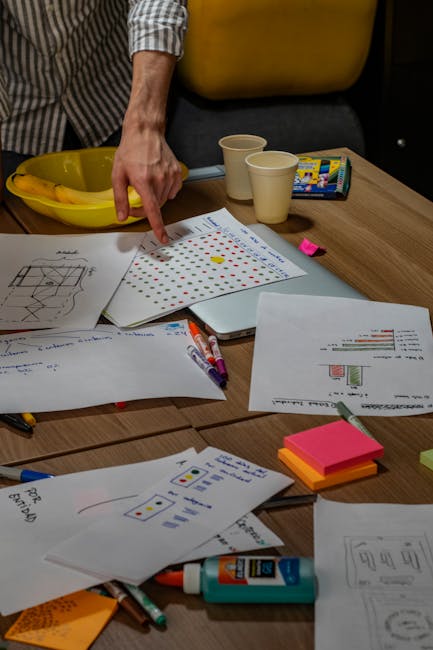
Table of Contents
- Defining Organizational Design in the Context of Leadership
- Strategic Alignment: Visionary Leadership in Design
- Structure and Reporting Lines: Leadership’s Impact on Hierarchy and Networks
- Processes and Workflow Design: Enabling or Hindering Flow
- Culture as a Design Element: Leadership’s Influence on Values and Behaviors
- People and Talent in Design: Role Definition and Skill Alignment
- Agile and Adaptive Leadership in Evolving Designs
- Measuring the Success of Leadership-Driven Design
Defining Organizational Design in the Context of Leadership
Organizational design is far more than just drawing boxes on an org chart. It’s the deliberate process of defining how an organization functions to achieve its strategic objectives. This encompasses the formal structures that dictate reporting lines and span of control, the processes that govern how work gets done, the specific roles and responsibilities assigned to individuals, and importantly, the underlying culture that shapes behaviors and interactions. At its core, organizational design is about creating the optimal ecosystem for performance, innovation, and sustainability.
The choices made in organizational design are deeply intertwined with a leader’s philosophy and vision. A leader who values agility and rapid adaptation will naturally gravitate towards different design principles than one who prioritizes stability and control. This philosophical undercurrent influences everything from how teams are formed to how decisions are made and communicated. For instance, a leader committed to empowering their teams will likely design flatter hierarchies with greater autonomy, whereas a more command-and-control leader might opt for more rigid, top-down structures. Understanding this connection is paramount for effective leadership, as it directly impacts how Talent Acquisition Strategy for Leadership Roles: Hire for Impact, Not Just Experience can be aligned with structural needs.
We can broadly categorize organizational designs into two main archetypes: organic and mechanistic. Mechanistic designs, often found in traditional, hierarchical organizations, are characterized by clear lines of authority, formal rules and procedures, and a high degree of specialization. They tend to be efficient in stable environments where predictability is key. Leadership in mechanistic structures often involves directing and controlling subordinates, emphasizing adherence to established processes. Think of a manufacturing plant operating on a assembly line; efficiency and standardization are paramount.
In contrast, organic designs thrive in dynamic, complex environments. They feature looser structures, greater decentralization, and more fluid roles. Communication flows more freely, and collaboration is often emphasized. This design fosters adaptability and innovation, making it well-suited for industries undergoing rapid change, such as technology or consulting. The leadership implications are significant; leaders in organic structures act more as facilitators, coaches, and enablers, fostering a culture of trust and shared responsibility. This aligns with the principles discussed in Agile Organizational Structures: Flexibility & Speed.
- Leadership’s vision directly shapes the chosen organizational design.
- Mechanistic designs prioritize structure and control; organic designs prioritize flexibility and collaboration.
- The prevailing leadership style must be congruent with the chosen organizational design to ensure effectiveness.
- Understanding these distinctions is crucial for navigating and driving Organizational Change: Guide to Transformation & Leadership.
The choice between organic and mechanistic (or a hybrid approach) is not merely an operational decision; it’s a strategic one that directly impacts an organization’s ability to compete, innovate, and adapt. For example, a company aiming for rapid product development might embrace a matrix structure, as detailed in our guide to the Matrix Organization Design: The Ultimate Guide for Agile Teams. Conversely, an organization focused on predictable service delivery might lean towards a more mechanistic model. Ultimately, effective leaders understand that design is not static; it requires continuous evaluation and adaptation, often necessitating a guided approach to Organizational Change: Dynamics, Phases & Leadership. Leaders must also be adept at assessing Organizational Change Readiness Assessments: The Ultimate Guide to ensure their design initiatives are met with success.
Leading digital transformation, for instance, demands an agile and often organic design to foster rapid iteration and responsiveness, as explored in Leading Digital Transformation for Organizational Agility: A Veteran’s Guide. This also ties into the broader concept of how leaders can forge adaptive cultures, moving "Beyond Static Fixes: How Leaders Forge Adaptive Organizational Cultures" (https://leadership-and-development.com/beyond-static-fixes-how-leaders-forge-adaptive-organizational-cultures/). The foundational blueprints for these structures are often discussed within Organizational Structures & Frameworks: The Blueprint for Success.
Moreover, the success of any design hinges on the capabilities and alignment of its leaders. This includes ensuring the right individuals are in leadership positions, often through thoughtful Executive Search for Leadership Roles. For emerging leaders, a clear understanding of their mandate is provided in the New Manager Guide: Roles, Responsibilities & Communication. The overall philosophy of leading through change is central to Leadership in Times of Organizational Change and Leading Teams Through Organizational Change. Ultimately, leadership’s role extends to Leadership’s Role in Culture Building and even setting the example for wellbeing, as highlighted in Leader as Role Model for Workplace Wellbeing: Your Blueprint.
The strategic implications of organizational design are profound. A poorly designed structure can stifle innovation, create silos, and lead to inefficient operations, regardless of the talent within the organization. Conversely, a well-crafted design can amplify the impact of individual contributions and foster a high-performing, adaptive enterprise. To truly master organizational change, leaders must understand and leverage various Mastering Organizational Change: Models & Strategies to ensure their chosen design supports long-term success and aligns with broader objectives like designing systems that "Beyond Busywork: Design Productivity Systems That Actually Work" (https://leadership-and-development.com/beyond-busywork-design-productivity-systems-that-actually-work/). Ultimately, effective leadership means proactively shaping the organization’s architecture to unlock its full potential.
Strategic Alignment: Visionary Leadership in Design
The bedrock of any effective organizational design isn’t a perfectly drawn org chart or a flawlessly optimized workflow; it’s the clarity and conviction of its leadership. As veterans of this industry, we know that the role of leaders in shaping the organizational blueprint is paramount. It’s about more than just managing; it’s about envisioning and architecting the future state of the enterprise.
The Role of Leaders in Articulating a Clear Vision that Guides Design
At its core, designing an organization is an act of translation. Leaders must first articulate a compelling vision for where the company is headed. This isn’t a vague aspiration; it’s a precise picture of success, a North Star that will guide every subsequent design decision. Without this clear vision, any attempts at redesign will be rudderless, leading to fragmented efforts and ultimately, a structure that fails to propel the organization forward. This vision must be communicated relentlessly, ensuring every team member understands the ‘why’ behind the structure they operate within. This foundational step is where many initiatives falter; it requires leaders to be deeply insightful about market trends and internal capabilities.
Translating Strategic Goals into Structural and Process Requirements
Once the vision is crystal clear, the onus falls on leadership to translate overarching strategic goals into tangible requirements for the organization’s structure and processes. This is where abstract ambition meets practical execution. If a strategic goal is to significantly increase market share in a new region, the design must reflect this. Does it require a decentralized regional structure? Are specialized sales and marketing teams needed? How will information flow between headquarters and the new regional hubs? These are the critical questions leaders must grapple with, ensuring that the chosen Organizational Structures & Frameworks: The Blueprint for Success directly support strategic imperatives. This often involves a deep dive into Organizational Change: Dynamics, Phases & Leadership, understanding the inherent complexities of reshaping how work gets done. A successful translation means that the very fabric of the organization, from reporting lines to decision-making authority, actively works towards achieving strategic objectives.
Case Study: Revitalizing a Stagnant Tech Firm
A mid-sized tech company found itself losing ground to more agile competitors. The executive team, recognizing a need for fundamental change, embarked on a significant organizational redesign. Their first step was to clearly articulate a vision of becoming the industry leader in personalized AI solutions. This vision was then meticulously translated into structural requirements. They moved from a rigid functional hierarchy to a more Matrix Organization Design: The Ultimate Guide for Agile Teams, empowering cross-functional product teams to innovate rapidly. Processes were re-engineered to foster greater collaboration and speed up decision-making. The leadership team was deeply involved in Leading Teams Through Organizational Change, ensuring buy-in and addressing resistance proactively. This strategic alignment was crucial to their eventual turnaround and renewed market dominance.
Ensuring the Design Supports Innovation, Agility, and Long-Term Sustainability
The ultimate test of effective organizational design is its ability to foster innovation, embrace agility, and ensure long-term sustainability. Leaders must consciously design for these outcomes, not merely hope for them. An organization designed for innovation will have clear pathways for new ideas to emerge, be tested, and scaled. It will incentivize experimentation and provide psychological safety for failure. Similarly, an agile design allows the organization to pivot quickly in response to market shifts or emerging opportunities. This is the essence of Agile Organizational Structures: Flexibility & Speed. Finally, sustainability is about building an organization that can thrive not just today, but for decades to come. This means designing for robust talent pipelines, ethical practices, and a culture that adapts and endures. Leaders who prioritize these elements are building an organization that is resilient, future-proof, and capable of sustained high performance. Their commitment to this holistic approach directly influences their approach to Talent Acquisition Strategy for Leadership Roles: Hire for Impact, Not Just Experience, understanding that the right leaders are essential architects of this enduring success. This proactive stance is the hallmark of forward-thinking leadership, as explored in Beyond Static Fixes: How Leaders Forge Adaptive Organizational Cultures.
Structure and Reporting Lines: Leadership’s Impact on Hierarchy and Networks
The very scaffolding of an organization, its structure and reporting lines, is a direct reflection of leadership’s vision and priorities. This isn’t merely about drawing boxes and lines on an org chart; it’s about crafting a system that either fosters rigid control or cultivates dynamic agility. Leadership’s impact here is profound, shaping how information flows, how decisions are made, and ultimately, how effectively the organization achieves its goals.
When designing hierarchies, leaders face a fundamental choice: prioritize raw efficiency through clear, top-down command, or emphasize empowerment by distributing decision-making authority and fostering autonomy. A purely hierarchical model, while offering clarity, can sometimes stifle innovation and create bottlenecks. Conversely, an overly decentralized structure without clear accountability can lead to confusion and a lack of strategic alignment. The art lies in finding the right balance, creating structures that are both efficient and empowering. This often involves a deep understanding of the company’s strategic objectives and the skills of its people. For guidance on selecting the right framework, exploring resources on Organizational Structures & Frameworks: The Blueprint for Success can be invaluable.
The landscape of organizational design is continually evolving. We’ve seen the rise of more complex and adaptable structures like the matrix, flat, and networked organizations. The matrix structure, for instance, allows individuals to report to multiple managers, often by function and by project. This can be incredibly effective for resource utilization and skill development, but requires strong leadership to navigate potential conflicts and ensure clear priorities. Matrix Organization Design: The Ultimate Guide for Agile Teams offers a deep dive into this model. Flat structures, in contrast, minimize layers of management, pushing decision-making closer to the front lines and fostering a sense of ownership. Networked structures, often seen in more dynamic, project-based environments, emphasize collaboration and fluid team formation around specific tasks. The choice of structure is inextricably linked to leadership’s ability to manage complexity and drive change.
A significant challenge in any organizational design, particularly with flatter or networked models, is the potential for silos to form. These can emerge between departments, project teams, or even individual contributors. Leadership’s role is paramount in fostering collaboration across these perceived boundaries. This requires actively promoting cross-functional communication, encouraging knowledge sharing, and celebrating collective achievements. Leaders must champion a culture where asking for help and offering support is the norm, not the exception. This is a key aspect of Leadership’s Role in Culture Building.
The placement of decision-making authority is another critical leadership decision within organizational design. Should critical decisions be centralized at the top for strategic consistency, or delegated to those closest to the customer or the operational challenge? Empowering individuals with decision-making authority can lead to faster responses and greater innovation, but it necessitates clear guidelines, robust training, and a culture that tolerates occasional missteps. This is where the principles outlined in the New Manager Guide: Roles, Responsibilities & Communication become highly relevant, as effective delegation and empowered decision-making are core responsibilities. Ultimately, leadership’s deliberate design of structure and reporting lines dictates the very pulse of the organization – whether it beats with the steady rhythm of command-and-control or the vibrant, interconnected energy of collaboration and agility. For more on navigating these shifts, understanding Organizational Change: Dynamics, Phases & Leadership is essential.
Processes and Workflow Design: Enabling or Hindering Flow
Leaders orchestrate the very lifeblood of an organization: its processes and workflows. These aren’t just a series of steps; they are the conduits through which ideas become reality, tasks are executed, and value is delivered. Poorly designed workflows can create bottlenecks, foster frustration, and stifle innovation, effectively hindering the flow of work. Conversely, thoughtfully designed processes can accelerate delivery, enhance collaboration, and drive remarkable performance. This requires leaders to move beyond a purely tactical view and embrace a strategic approach to how work gets done.
The relentless march of process automation and digitization is fundamentally reshaping roles and organizational structures. As technology takes over repetitive tasks, leadership’s focus shifts to designing workflows that leverage these advancements. This means rethinking job descriptions, identifying new skill requirements, and potentially redesigning Organizational Structures & Frameworks: The Blueprint for Success. Leaders must proactively anticipate how automation will impact their teams and structures, ensuring that the organization remains agile and efficient. This proactive approach is crucial for successful Leading Digital Transformation for Organizational Agility: A Veteran’s Guide.
A critical, yet often overlooked, aspect of workflow design is the incorporation of robust feedback loops and continuous improvement mechanisms. Organizations that thrive are those where learning is embedded into the very fabric of their operations. Leaders must champion systems that allow for regular assessment of process effectiveness, encourage input from those on the front lines, and empower teams to iterate and refine their methods. This creates a culture of learning and adaptation, essential for long-term success. As detailed in Beyond Static Fixes: How Leaders Forge Adaptive Organizational Cultures, this iterative approach is key.
Designing effective workflows demands a delicate balance between standardization and flexibility. Standardization brings consistency, predictability, and often, efficiency. It ensures that tasks are performed reliably and to a certain quality standard. However, an overemphasis on rigid standardization can stifle creativity, prevent adaptation to unique situations, and lead to bureaucratic inertia. Leaders must therefore discern where standardization is essential for core functions and where flexibility is needed to accommodate diverse needs, emergent challenges, and individual initiative. This nuanced approach to process design is a hallmark of effective Agile Organizational Structures: Flexibility & Speed.
To illustrate the impact of leadership decisions on workflow design, consider the following comparison:
| Workflow Design Aspect | Leader-Driven Approach (Enabling Flow) | Consequence of Neglect (Hindering Flow) |
|---|---|---|
| Process Automation | Proactively integrates automation to augment human capabilities, redesigning roles to focus on higher-value tasks and strategic thinking. Leverages automation for efficiency gains and data-driven insights. | Fails to automate, leading to manual inefficiencies, increased error rates, and employee burnout. Roles may become redundant without proactive retraining or redeployment. |
| Feedback Loops | Establishes clear channels for feedback from all levels, encouraging open communication and actively using feedback to refine processes and empower teams. | Ignores or suppresses feedback, leading to unaddressed issues, declining morale, and stagnation. Processes remain inefficient and disconnected from ground realities. |
| Standardization vs. Flexibility | Implements standardized processes where consistency is critical (e.g., compliance, core operations) but allows for appropriate flexibility and customization in areas requiring innovation or client-specific solutions. | Enforces rigid standardization across the board, stifling creativity and adaptability, or conversely, lacks any standardization, leading to chaos and inconsistency. |
Ultimately, leadership’s direct involvement in shaping operational workflows is a powerful lever for driving Organizational Change: Guide to Transformation & Leadership. By understanding the intricate dance between processes, technology, people, and purpose, leaders can build organizations that are not only efficient but also resilient, adaptive, and poised for sustained success. This demands a commitment to continuous learning and a willingness to evolve, mirroring the principles found in research on effective organizational design, such as studies published in the Harvard Business Review on the importance of dynamic capabilities.
The impact of leadership’s design choices on workflows directly influences an organization’s capacity for change. A well-designed, flexible workflow system can make navigating Organizational Change: Dynamics, Phases & Leadership significantly smoother. Conversely, entrenched, inefficient processes can become major roadblocks, increasing resistance and the likelihood of change initiatives faltering. Leaders must therefore conduct thorough Organizational Change Readiness Assessments: The Ultimate Guide to understand the current state of their workflows and identify areas that will require proactive redesign or support during transformation. This foresight is crucial for successful Leading Teams Through Organizational Change and overall Mastering Organizational Change: Models & Strategies.
Culture as a Design Element: Leadership’s Influence on Values and Behaviors
Culture isn’t an accidental byproduct of an organization; it’s a deliberate design element, and leadership is its chief architect. The values and behaviors we champion, celebrate, and tolerate (or conversely, discourage) fundamentally shape the organizational culture, influencing everything from daily interactions to strategic decision-making. As seasoned leaders, we must recognize that our own conduct serves as the most potent design tool.
How Leadership Behavior Shapes Organizational Culture
Consider this: the implicit and explicit messages we send through our actions are the bedrock of our culture. When leaders consistently demonstrate transparency, empathy, and a commitment to ethical practices, these qualities become ingrained. Conversely, if corner-cutting or blame-shifting is rewarded, that behavior will proliferate. It’s a constant, visible demonstration of what truly matters. This is why Leadership’s Role in Culture Building is so critical. We must be deliberate in our actions, ensuring they align with the desired cultural attributes. This isn’t about performative leadership; it’s about consistent, authentic modeling.
Designing for Psychological Safety and Trust
A high-performing organization, regardless of its Organizational Structures & Frameworks: The Blueprint for Success, thrives on psychological safety and trust. Leaders play a pivotal role in cultivating this environment. It starts with creating spaces where individuals feel safe to speak up, to challenge the status quo, and to admit mistakes without fear of retribution. This necessitates active listening, genuine vulnerability, and a commitment to fairness. When employees trust their leaders and their colleagues, they are more likely to take risks, collaborate effectively, and contribute their best ideas. A lack of trust, conversely, breeds silos, fear, and disengagement. As the Harvard Business Review notes, "Psychological safety is the belief that one will not be punished or humiliated for speaking up with ideas, questions, concerns, or mistakes."
Fostering a Culture of Accountability and Continuous Learning
To truly embed desired values and behaviors, we must design systems that foster accountability and continuous learning. Accountability isn’t about punitive measures; it’s about clear expectations, constructive feedback, and a shared understanding of responsibilities. When leaders model accountability by owning their decisions and learning from missteps, they set a powerful precedent. Equally important is cultivating a growth mindset. This means encouraging experimentation, celebrating learning from failures, and providing ample opportunities for skill development and knowledge sharing. In today’s rapidly evolving landscape, Mastering Organizational Change: Models & Strategies is not a one-time event, but an ongoing capability built on a foundation of continuous learning. Organizations that embrace this approach are far more resilient and innovative.
FAQ: How can leaders effectively communicate their commitment to psychological safety?
Leaders can foster psychological safety through several key actions: actively solicit diverse perspectives, respond constructively to all feedback (even critical), admit personal mistakes and frame them as learning opportunities, and consistently champion open communication channels. It’s about creating an environment where asking “dumb questions” or proposing unconventional ideas is not only accepted but encouraged. Regular team check-ins focused on how people are feeling and whether they feel safe to contribute are also valuable.
Aligning Cultural Norms with the Intended Organizational Design
The most effective organizational designs are those where the formal structure, processes, and cultural norms are in harmony. If you’re aiming for an Agile Organizational Structures: Flexibility & Speed, for instance, a culture that stifles innovation or resists change will actively undermine that design. Leaders must therefore ensure that the values they promote, the recognition systems they implement, and the behaviors they reward are in direct support of the intended design. This might involve revising performance management systems to reward collaboration over individual heroism, or implementing feedback loops that encourage continuous adaptation. A misalignment here leads to friction, inefficiency, and ultimately, the failure of the intended design. This is why undertaking Organizational Change Readiness Assessments: The Ultimate Guide is so crucial before implementing significant structural shifts.
FAQ: What happens if cultural norms contradict the organizational design?
When cultural norms contradict the organizational design, it creates significant friction and often leads to the failure of the design. For example, if an organization adopts a matrix structure to foster cross-functional collaboration, but the underlying culture rewards siloed thinking and territorialism, employees will struggle to navigate the new system. This misalignment can result in decreased productivity, employee frustration, resistance to change, and a general inability to achieve the strategic goals the design was meant to support. Leaders must proactively address these cultural disconnects as part of any significant **Organizational Change: Guide to Transformation & Leadership** effort.
Ultimately, leadership’s influence on culture is not a soft skill; it’s a hard-edged strategic imperative. By consciously designing and nurturing a culture that embodies trust, accountability, continuous learning, and alignment with our organizational aspirations, we lay the foundation for sustainable success and genuine transformation. It’s a continuous process, a journey of Beyond Static Fixes: How Leaders Forge Adaptive Organizational Cultures.
People and Talent in Design: Role Definition and Skill Alignment
The bedrock of any successful organizational design is its people. As seasoned leaders, we understand that a meticulously crafted blueprint for Organizational Structures & Frameworks: The Blueprint for Success is only as effective as the individuals who inhabit those structures. This is where our direct influence as leaders becomes paramount, extending beyond mere supervision to active sculpting of roles, responsibilities, and the very talent pool that will drive our organizations forward.
At the heart of this endeavor lies leadership’s critical role in defining roles and responsibilities. This isn’t a static HR exercise; it’s a dynamic process of translating strategic intent into actionable accountabilities. We must clearly articulate what each position contributes to the overall organizational goals, ensuring there are no gaps or overlaps that could lead to inefficiency or confusion. This clarity is the foundation for effective team functioning and individual performance. For emerging leaders, understanding this foundational aspect is crucial, as outlined in our New Manager Guide: Roles, Responsibilities & Communication.
Equally vital is ensuring talent acquisition and development align with the organizational design. A brilliant new structure will falter if it’s populated with individuals whose skills and aspirations don’t match the new demands. This means our Talent Acquisition Strategy for Leadership Roles: Hire for Impact, Not Just Experience must be meticulously honed. We need to proactively identify the competencies required by the new design – be it agility for a Matrix Organization Design: The Ultimate Guide for Agile Teams or digital fluency for a Leading Digital Transformation for Organizational Agility: A Veteran’s Guide – and then build robust development programs to cultivate these skills internally or seek them externally through strategic Executive Search for Leadership Roles. It’s about foresight – anticipating future needs and building the pipeline today.
Furthermore, successful organizational design intrinsically considers designing for employee engagement and motivation within new structures. As we move towards more agile and adaptable models like those described in Agile Organizational Structures: Flexibility & Speed, we must consciously build in mechanisms that foster a sense of purpose, autonomy, and growth. This might involve empowering cross-functional teams, creating clearer career progression paths within flatter hierarchies, or ensuring transparent communication channels that foster trust. When employees feel valued and understand how their contributions directly impact the organization’s success, engagement naturally blossoms. This directly ties into Leadership’s Role in Culture Building, as culture is a key driver of motivation.
Finally, we cannot underestimate leadership’s responsibility in managing change and resistance during redesign. Organizational change, especially significant shifts in structure, can be unsettling. People are naturally wary of the unknown. Our role is to lead through these transitions with empathy, transparency, and conviction. This means actively communicating the ‘why’ behind the changes, addressing concerns head-on, and providing the necessary support for individuals to adapt. Our approach to Organizational Change: Dynamics, Phases & Leadership will dictate the success of the entire transformation. By embracing principles of Mastering Organizational Change: Models & Strategies and acting as role models ourselves, we can navigate these challenges and emerge with a stronger, more resilient organization, as detailed in our comprehensive Organizational Change: Guide to Transformation & Leadership. Remember, effective leadership during change is not about dictating; it’s about guiding, empowering, and inspiring teams to embrace the future. For further insights into navigating these often turbulent waters, refer to our guidance on Leading Teams Through Organizational Change and Leadership in Times of Organizational Change.
Agile and Adaptive Leadership in Evolving Designs
The only constant in today’s business landscape is change. This relentless pace demands a fundamental shift in how we approach organizational design, moving away from rigid, hierarchical structures towards more fluid, adaptable models. At the heart of this evolution lies the imperative for agile and adaptive leadership. Leaders can no longer afford to be static architects; they must be nimble navigators, constantly scanning the horizon for emergent trends and guiding their organizations through shifting currents. This requires a deep understanding of Organizational Structures & Frameworks: The Blueprint for Success and the ability to pivot when necessary.
Implementing agile methodologies isn’t merely about adopting new project management tools; it’s about fostering a mindset that permeates the entire organizational structure. Think of frameworks like Scrum or Kanban. When embraced by leadership, these methodologies empower teams, encourage cross-functional collaboration, and accelerate feedback loops. This directly impacts organizational design by promoting flatter hierarchies, self-organizing teams, and a greater emphasis on decentralized decision-making. The Matrix Organization Design: The Ultimate Guide for Agile Teams is a prime example of how agile principles can be embedded into structural blueprints.
| Agile Leadership Traits for Evolving Designs | Impact on Organizational Design |
|---|---|
| Embrace of Uncertainty & Iteration | Fosters experimental cultures, supports rapid prototyping, allows for course correction without significant disruption. |
| Servant Leadership & Empowerment | Drives distributed decision-making, builds high-performing teams, reduces reliance on command-and-control structures. |
| Continuous Learning & Adaptability | Encourages ongoing skill development, supports the integration of new technologies and processes, promotes flexibility in roles and responsibilities. |
| Clear Vision & Strategic Agility | Provides direction amidst change, enables rapid strategic pivots, ensures alignment across evolving structures. |
Leaders are the chief architects and custodians of organizational change. They are the ones who must champion new ways of working, not just through pronouncements, but through visible action and unwavering commitment. This involves more than just managing Organizational Change: Dynamics, Phases & Leadership. It’s about fostering a culture where continuous evolution is not an anomaly but the norm. This requires leaders to be adept at Organizational Change Readiness Assessments: The Ultimate Guide and to actively prepare their teams for the journey of transformation. As stated by Harvard Business Review, effective change leadership is crucial for navigating the complexities of modern business: "Leading Organizational Change" requires consistent communication, empathy, and a clear vision.
Developing leadership capabilities to support these evolving designs is paramount. This isn’t about simply hiring for experience; it’s about focusing on the inherent qualities and potential for growth. A robust Talent Acquisition Strategy for Leadership Roles: Hire for Impact, Not Just Experience will look for individuals who demonstrate adaptability, a strong learning orientation, and the ability to inspire and empower others. Furthermore, ongoing development programs, particularly for emerging leaders, must focus on skills like agile coaching, feedback mechanisms, and fostering psychological safety. This ensures that leaders at all levels are equipped to navigate and shape Agile Organizational Structures: Flexibility & Speed. The role of a leader in fostering a resilient and adaptive culture cannot be overstated, as they act as the primary influence on Leadership’s Role in Culture Building. Leaders must embody the change they wish to see, acting as role models for resilience, collaboration, and a forward-thinking mindset, essential for successful Organizational Change: Guide to Transformation & Leadership.
Measuring the Success of Leadership-Driven Design
The most significant challenge after thoughtfully implementing a new organizational design is knowing if it’s actually working. This is where leadership’s ongoing engagement in measurement and refinement becomes paramount. Without a clear understanding of impact, even the most meticulously crafted Organizational Structures & Frameworks: The Blueprint for Success can become stagnant and ineffective.
Key Performance Indicators (KPIs) for Organizational Design Effectiveness
To gauge success, we must move beyond anecdotal evidence and establish concrete metrics. These KPIs should directly reflect the intended benefits of the design. For example, if the design aimed to accelerate innovation, relevant KPIs might include the time-to-market for new products, the number of cross-functional team collaborations, or the adoption rate of new technologies. If the goal was to enhance customer responsiveness, metrics like Net Promoter Score (NPS), customer churn rate, and average resolution time for customer inquiries become crucial. Productivity metrics, such as output per employee or project completion rates, can also provide valuable insights, particularly when focusing on Beyond Busywork: Design Productivity Systems That Actually Work. Leadership must clearly define these KPIs upfront, ensuring they are measurable, achievable, relevant, and time-bound (SMART).
Assessing the Alignment Between Leadership Intent and Actual Design Outcomes
It’s not enough to set KPIs; we must actively assess whether the implemented design is driving the intended outcomes. This involves a regular, structured review process. Leaders should ask: Are teams collaborating more effectively? Is decision-making faster and more informed? Are employees feeling empowered and engaged? This alignment check can be facilitated through dashboards that visualize KPI performance against targets, but it also requires qualitative assessment. Discussions with mid-level managers and team leads can reveal whether the new structures are genuinely enabling, rather than hindering, work. For instance, if the intent was to foster agility through a Matrix Organization Design: The Ultimate Guide for Agile Teams, but communication bottlenecks are emerging, the alignment is clearly off.
Gathering Feedback from Employees and Stakeholders on the Design’s Impact
Data provides a vital quantitative perspective, but the human element is equally, if not more, important. Leaders must actively solicit feedback from those most affected by the design changes. This can be done through employee surveys, focus groups, town hall meetings, and even one-on-one conversations. Understanding how the new structure impacts daily workflows, job satisfaction, and perceived barriers to success is invaluable. Stakeholders, including customers and partners, can also provide crucial external perspectives on the organization’s responsiveness and effectiveness. This feedback loop is essential for a holistic understanding of the design’s true impact, complementing the insights gained from Organizational Change Readiness Assessments: The Ultimate Guide.
Iterative Refinement of the Organizational Design Based on Performance Data
Organizational design is not a one-time event; it’s an ongoing process of adaptation. The insights gleaned from KPIs, alignment assessments, and stakeholder feedback should inform an iterative refinement strategy. This might involve tweaking reporting lines, adjusting team compositions, clarifying roles and responsibilities for New Manager Guide: Roles, Responsibilities & Communication, or even revisiting fundamental structural choices, such as moving towards more Agile Organizational Structures: Flexibility & Speed. Leaders who embrace this iterative approach, viewing the organizational design as a living system, are better equipped to foster Beyond Static Fixes: How Leaders Forge Adaptive Organizational Cultures. This continuous improvement cycle is a hallmark of effective Leadership in Times of Organizational Change and is crucial for long-term organizational health and competitive advantage. Remember, the ultimate goal of any organizational design is to enable the organization to better execute its strategy, and continuous measurement and adaptation are key to ensuring that goal is met. This process is fundamental to the successful Organizational Change: Dynamics, Phases & Leadership journey.
Featured image by Lucho Castro Barrantes on Pexels