Leadership Coaching Programs
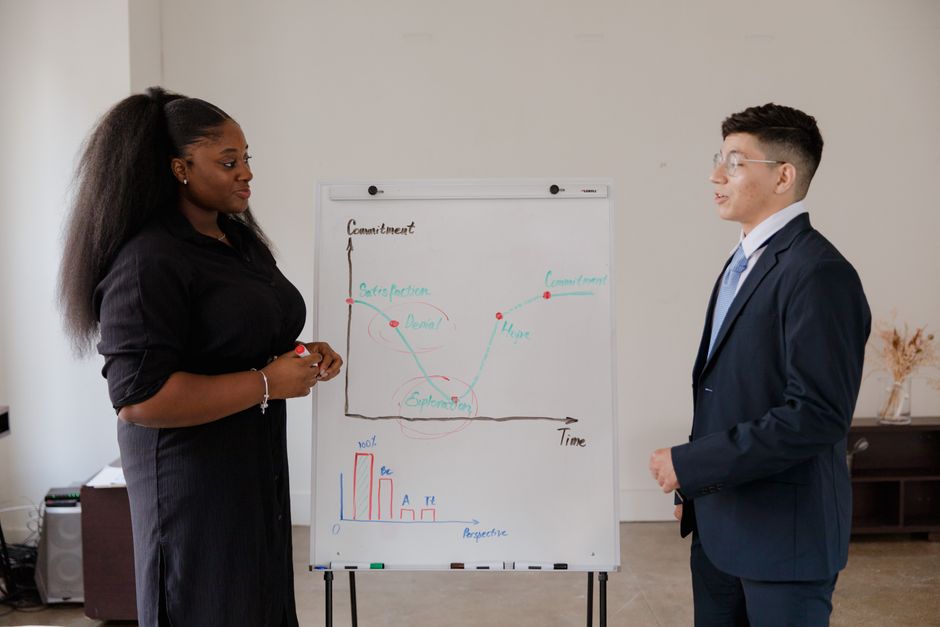
Table of Contents
- What Are Leadership Coaching Programs?
- Key Benefits of Leadership Coaching Programs
- Types of Leadership Coaching Programs
- The Structure and Process of a Leadership Coaching Program
- Choosing the Right Leadership Coaching Program and Coach
- Implementing and Maximizing Leadership Coaching Initiatives
- Common Challenges and How to Overcome Them
- The Future of Leadership Coaching
What Are Leadership Coaching Programs?
In the dynamic and ever-evolving landscape of business, the demand for effective leaders is at an all-time high. Leadership coaching programs have emerged as a powerful, personalized approach to cultivate these essential skills. At its core, leadership coaching is a collaborative, future-focused partnership between a qualified coach and an individual or team. The primary purpose is to unlock the leader’s full potential, enabling them to achieve their goals and maximize their performance. It’s about empowering individuals to discover their own solutions, build self-awareness, and develop the strategies needed to navigate complex challenges and drive success.
It’s crucial to distinguish leadership coaching from other developmental interventions like mentoring, training, and consulting. While all aim to foster growth, their mechanisms differ significantly. Mentoring typically involves a more experienced individual sharing their knowledge and guidance, often based on their own career path. Training focuses on imparting specific skills or knowledge through structured programs. Consulting, on the other hand, involves an expert providing solutions and recommendations to a specific problem. Coaching, however, is distinct. It’s less about telling someone what to do and more about helping them figure out how to do it themselves. A coach acts as a facilitator, asking powerful questions, providing feedback, and creating a safe space for exploration and accountability. This client-driven approach fosters deeper learning and more sustainable behavioral change, making it a cornerstone of effective Leadership Coaching for Performance Improvement.
The fundamental philosophy underpinning effective leadership coaching is rooted in the belief that every individual possesses innate potential waiting to be unleashed. Coaches operate from a position of partnership, not authority. They believe that the coachee is resourceful and creative, and that the answers to their challenges often lie within them. The coach’s role is to draw these answers out through active listening, insightful questioning, and offering perspectives that broaden the coachee’s thinking. This process cultivates What is Self-Awareness in Leadership? Benefits & How To, a critical component for any leader aiming to foster authenticity and build trust. For instance, a program focusing on Sales Leadership Development Programs: Your Guide might utilize coaching to help sales leaders develop more effective strategies for motivating their teams and navigating market shifts, rather than simply dictating new sales tactics.
Case Study: Accelerating Executive Readiness
A Fortune 500 company identified a pipeline gap for senior leadership roles. They implemented a targeted Executive Leadership Coaching program for high-potential individuals. The coaching focused on developing competencies such as strategic thinking, stakeholder management, and What is Executive Presence? Boost Your Leadership Skills. Over 18 months, 85% of the coached executives were promoted into leadership positions, significantly exceeding the company’s internal benchmark and demonstrating the profound impact of tailored coaching on career progression and organizational success.
The rise of technology has also begun to influence this space, with AI-Powered Leadership Development Programs and AI-Powered Leadership Coaching offering new avenues for personalized development. These tools can assist in identifying developmental gaps, providing real-time feedback, and even suggesting resources for further learning, as explored in articles like "AI in Leadership Coaching: Your New Secret Weapon for Accelerated Growth." Ultimately, leadership coaching programs are about fostering growth, enhancing capability, and enabling individuals to lead with greater impact and purpose. This philosophy extends to specialized areas like Women’s Leadership Skills Development and can be crucial for organizations seeking to refine their Board Leadership Development Programs.
Key Benefits of Leadership Coaching Programs
Leadership coaching programs are transformative initiatives designed to unlock the full potential of individuals and teams. The benefits ripple across an organization, fostering growth, enhancing performance, and cultivating a more effective leadership pipeline.
At its core, coaching cultivates enhanced self-awareness and emotional intelligence. Leaders gain a deeper understanding of their strengths, blind spots, and the impact of their behaviors on others. This heightened awareness is crucial for building genuine connections and fostering an environment where Vulnerability in Leadership: Your Unseen Strategic Advantage can flourish. A foundational element of this is understanding What is Self-Awareness in Leadership? Benefits & How To, a key outcome of effective coaching.
This self-understanding directly translates into improved decision-making and strategic thinking. Coached leaders are better equipped to analyze complex situations, consider diverse perspectives, and make more informed, forward-looking choices. Whether navigating the intricacies of Sales Leadership Development Programs: Your Guide or steering overall corporate strategy, clarity of thought is paramount.
Furthermore, coaching significantly sharpens development of stronger communication and interpersonal skills. Leaders learn to articulate their vision more effectively, provide constructive feedback, and actively listen, leading to more productive dialogue and collaboration. This is fundamental to building strong Team Dynamics in Leadership.
The cumulative effect is often an increased team performance and engagement. When leaders are more self-aware, communicate better, and make sound decisions, their teams tend to be more motivated, aligned, and productive. This positive cycle can be further amplified by implementing effective Unlock Your Team’s Potential: The Definitive Guide to Employee Recognition Programs.
For individuals, leadership coaching offers a direct pathway to accelerated career progression and leadership potential. By addressing development areas and honing existing strengths, individuals become prime candidates for advancement. This is particularly relevant for those aspiring to senior roles, where Executive Leadership Coaching plays a vital part. Programs focused on Visionary Leadership Development also benefit immensely from tailored coaching.
Finally, coaching equips leaders with the skills for better conflict resolution and adaptability. In today’s dynamic business landscape, the ability to navigate disagreements constructively and respond effectively to change is not just advantageous, it’s essential. This proactive approach to challenges is a hallmark of strong leadership, often discussed in the context of What is Authentic Leadership?.
Here’s a snapshot of how these benefits manifest:
| Key Benefit Area | Impact on Leadership | Organizational Outcome |
|---|---|---|
| Self-Awareness & Emotional Intelligence | Better understanding of strengths, weaknesses, and impact on others. | Improved relationships, more empathetic leadership, reduced interpersonal friction. |
| Decision-Making & Strategic Thinking | Enhanced analytical abilities, clearer foresight, more robust strategic planning. | Improved business outcomes, greater agility, competitive advantage. |
| Communication & Interpersonal Skills | More effective articulation of ideas, active listening, stronger team cohesion. | Increased productivity, reduced misunderstandings, higher employee morale. |
| Team Performance & Engagement | Motivated and aligned teams, increased ownership and accountability. | Higher output, improved retention rates, a more positive work culture. |
| Career Progression & Potential | Accelerated development, readiness for senior roles, identification of high-potential talent. | Stronger leadership pipeline, succession planning facilitated, organizational continuity. |
| Conflict Resolution & Adaptability | Constructive management of disagreements, ability to navigate change effectively. | Reduced workplace friction, increased resilience, smoother transitions during change initiatives. |
For organizations looking to systematically enhance their leadership capabilities, investing in structured programs is a strategic imperative. This can range from broad Leadership Coaching for Performance Improvement to specialized initiatives like Women’s Leadership Skills Development or even the cutting edge of AI-Powered Leadership Coaching. The benefits of these programs are not merely theoretical; they are demonstrable drivers of organizational success, as evidenced by numerous studies on the ROI of executive development. For instance, research from organizations like McKinsey & Company consistently highlights the impact of strong leadership on business performance, underscoring the value of investing in such initiatives.
Types of Leadership Coaching Programs
The landscape of leadership development is rich and varied, offering a spectrum of coaching programs designed to address distinct needs and developmental goals. Understanding these various modalities is crucial for organizations and individuals seeking targeted growth.
Individual Executive Coaching
At its core, Executive Leadership Coaching is a highly personalized, one-on-one engagement. This model is invaluable for addressing specific leadership challenges, enhancing executive presence, and fostering deep self-awareness. Coaches work collaboratively with leaders to identify blind spots, refine strategic thinking, and build actionable plans for improvement. It’s particularly effective for Leadership Coaching for Performance Improvement, helping individuals overcome obstacles and achieve ambitious objectives. For senior leaders, this tailored approach can be transformative, as highlighted in guides like Unlock Peak Performance: The Ultimate Guide to Executive Coaching for CEOs.
Team Coaching
For teams striving for greater synergy and collective impact, team coaching offers a powerful solution. This approach focuses on enhancing Team Dynamics in Leadership, improving communication, conflict resolution, and collaborative problem-solving. The coach facilitates discussions and activities that help team members understand each other’s strengths, work styles, and preferred communication methods, ultimately leading to higher levels of performance and innovation. This is essential for areas like Sales Leadership Development Programs: Your Guide where cohesive sales teams are critical.
Group Coaching
Group coaching offers a dynamic blend of peer learning and shared accountability. Participants, often from similar roles or facing common challenges, convene in a facilitated group setting. This format allows for diverse perspectives, shared experiences, and the development of a supportive community. It’s an excellent avenue for exploring topics like What is Self-Awareness in Leadership? Benefits & How To or fostering Visionary Leadership Development, as individuals learn from each other’s insights and progress.
Specialized Coaching
Beyond the general modalities, specialized coaching programs cater to specific developmental needs:
- New Managers: Programs designed to equip individuals stepping into leadership roles for the first time with foundational skills in delegation, feedback, and team motivation.
- High Potentials: Targeted development for employees identified as future leaders, focusing on accelerating their readiness for senior roles.
- Specific Skill Sets: Coaching focused on honing particular competencies such as strategic negotiation, change management, or building Executive Presence. This can also extend to programs for Women’s Leadership Skills Development or addressing Unconscious Bias in Leadership.
Internal vs. External Coaching
The decision between utilizing internal or external coaches involves weighing distinct advantages and disadvantages:
- Internal Coaching:
- Pros: Greater organizational context, potential cost savings, alignment with company culture.
- Cons: Perceived lack of confidentiality, potential for bias, limited range of expertise.
- External Coaching:
- Pros: Objectivity and confidentiality, access to a wider pool of expertise, fresh perspectives.
- Cons: Higher cost, potential for a steeper learning curve regarding organizational nuances.
The integration of technology, particularly AI-Powered Leadership Coaching, is also revolutionizing the field, offering scalable solutions and personalized insights that complement traditional coaching methods. This emerging area, explored in AI in Leadership Coaching: Your New Secret Weapon for Accelerated Growth, promises to further diversify the types of leadership development available.
Case Study: Accelerating Mid-Level Manager Growth
A rapidly expanding tech company identified a critical need to develop its mid-level managers. Many were promoted from individual contributor roles and lacked the skills to effectively lead teams. They implemented a blended coaching program combining individual executive coaching for key high-potentials with group coaching for all new managers. The individual coaching focused on strategic thinking and delegation, while the group coaching sessions addressed common challenges like performance management and feedback. This dual approach, supported by external coaches with deep tech industry experience, resulted in a measurable increase in team engagement scores and a reduction in employee turnover within 18 months. This initiative also complemented broader AI for Leadership Development Programs being piloted across the organization.
Ultimately, the most effective leadership coaching programs are those that are strategically aligned with organizational goals and tailored to the specific developmental needs of the leaders and teams involved.
The Structure and Process of a Leadership Coaching Program
A well-structured leadership coaching program is far more than a series of conversations; it’s a carefully orchestrated journey designed to unlock potential and drive tangible results. While every program is tailored to the individual and their specific goals, a common framework underpins most successful engagements.
The process typically begins with a thorough initial assessment and goal setting. This critical first step involves understanding the coachee’s current strengths, areas for development, and aspirations. This might include self-assessments, 360-degree feedback, or discussions with key stakeholders. The clarity of these goals directly influences the program’s direction and eventual success. Establishing clear, measurable, achievable, relevant, and time-bound (SMART) goals ensures that both coach and coachee are aligned and working towards a defined outcome. This phase is crucial for setting the stage for effective Leadership Coaching for Performance Improvement.
Central to any effective coaching relationship is the establishment of rapport and trust. This isn’t something that can be forced; it’s built over time through open communication, active listening, and demonstrated empathy. A coach must create a safe and confidential space where the coachee feels comfortable being vulnerable, exploring challenges, and taking risks. This foundation of trust is paramount for genuine growth and allows for deeper exploration of topics such as Vulnerability in Leadership: Your Unseen Strategic Advantage.
A typical session structure and duration varies, but most sessions last between 60 to 90 minutes and are held on a bi-weekly or monthly basis. Each session usually begins with a check-in, reviewing progress since the last meeting and identifying key themes or challenges for the current session. The bulk of the session is dedicated to exploring the coachee’s goals, challenges, and potential solutions. The session often concludes with an action plan, outlining specific steps the coachee will take before the next meeting. This consistent rhythm provides momentum and allows for iterative learning and development.
Coaches employ a variety of tools and techniques to facilitate the coachee’s development. A widely recognized framework is the GROW model (Goal, Reality, Options, Will), which provides a structured approach to problem-solving and goal achievement. Psychometric assessments, such as personality inventories or leadership style questionnaires, can offer valuable insights into the coachee’s behavioral patterns and impact on others. Crucially, well-structured feedback from peers, subordinates, and superiors, when delivered constructively, can illuminate blind spots and highlight areas for growth. As technology advances, AI-Powered Leadership Coaching is also emerging as a powerful tool, offering data-driven insights and personalized development paths, as detailed in articles like AI in Leadership Coaching: Your New Secret Weapon for Accelerated Growth.
Measuring progress and evaluating outcomes is an ongoing process, not an afterthought. This involves regularly revisiting the initial goals and assessing the coachee’s movement towards them. Progress can be tracked through observable changes in behavior, improved performance metrics, enhanced leadership effectiveness, and increased self-awareness. Ultimately, the success of a coaching program is measured by the tangible impact it has on the individual’s performance, the team’s dynamics, and the organization’s overall objectives. This is often a key component of Executive Leadership Coaching.
The role of accountability is fundamental to the coaching process. Coaches hold coachees accountable for their commitments and action steps. This is not about judgment, but about creating a framework for follow-through. When coachees know they will be discussing their progress in subsequent sessions, they are more likely to take the necessary actions. This fosters a sense of ownership and drives consistent effort. Organizations investing in leadership development, from Sales Leadership Development Programs: Your Guide to Board Leadership Development Programs, understand that accountability mechanisms are key to realizing a return on investment.
FAQ: How is coaching different from mentoring?
While both involve guidance, coaching is a more structured and future-focused process centered on unlocking the coachee’s potential and enabling them to find their own solutions. Mentoring, on the other hand, often involves sharing personal experience and advice from a more senior individual. Coaches are facilitators of growth, whereas mentors are often advisors based on their own career path. This distinction is important when considering programs like Boost Leadership Skills & Performance with Executive Coaching.
FAQ: What makes a good coach?
A good coach possesses strong active listening skills, empathy, curiosity, and the ability to ask powerful, open-ended questions. They are skilled in creating a safe space for vulnerability and challenging their coachees constructively. They also have a deep understanding of leadership principles and development methodologies. Importantly, they are objective and focused on the coachee’s agenda, not their own. The development of qualities like What is Self-Awareness in Leadership? Benefits & How To is often a key outcome of working with an effective coach.
Choosing the Right Leadership Coaching Program and Coach
Choosing the right leadership coaching program and coach is a critical decision that can significantly impact your organization’s growth and development. It’s not a one-size-fits-all endeavor, and a strategic approach is paramount.
Identifying Organizational Needs and Objectives
Before embarking on the search for a program or coach, a deep dive into your organization’s specific needs and overarching objectives is essential. Are you looking to enhance executive presence for your senior leaders, improve [team dynamics in leadership], or perhaps foster more [visionary leadership]? Are there specific skill gaps, such as a need for stronger [sales leadership development programs: your guide], or is the focus on individual performance enhancement as outlined in [leadership coaching for performance improvement]? A clear understanding of desired outcomes – whether it’s boosting overall performance, driving innovation, or navigating complex change – will guide your selection process. Consider areas like fostering [what is authentic leadership], developing [what is self-awareness in leadership? benefits & how to], or enhancing [vulnerability in leadership: your unseen strategic advantage]. For organizations focused on future-proofing, exploring the potential of [AI-powered leadership development programs] or [AI-powered leadership coaching] might be a strategic imperative.
Criteria for Selecting a Program Provider
When evaluating program providers, look beyond glossy brochures. Assess their track record, the depth of their expertise, and their understanding of your industry. Do they offer tailored solutions, or a generic approach? Investigate their methodologies, ensuring they align with your organizational culture and learning preferences. Many providers are now integrating advanced tools. For instance, consider how [AI in leadership coaching: your new secret weapon for accelerated growth] is being leveraged to personalize development paths and track progress. Similarly, understanding the role of [AI for leadership development programs] can offer insights into more efficient and effective solutions. Request case studies and testimonials, and seek out evidence of [what is social proof? master your leadership influence] through their client outcomes.
Qualities of an Effective Leadership Coach
The effectiveness of any coaching program hinges on the quality of the coach. An exceptional coach possesses a blend of formal credentials, extensive practical experience, and a distinct coaching style. Look for certifications from reputable coaching bodies like the International Coach Federation (ICF). Experience with similar organizations or leaders facing comparable challenges is invaluable. Beyond credentials, observe their active listening skills, their ability to ask probing questions that stimulate reflection, and their capacity to create a safe and challenging space for growth. A coach who can foster [what is executive presence? boost your leadership skills] and guide leaders toward [understanding authentic leadership] will be a significant asset. Consider if their approach aligns with developing [women’s leadership skills development] or addressing specific challenges in [women leadership: progress, barriers & development].
The Importance of Coach-Client Fit
Perhaps the most crucial element is the alignment between the coach and the client – the "coach-client fit." This goes beyond professional qualifications. It’s about rapport, trust, and chemistry. The leader being coached must feel comfortable opening up, sharing vulnerabilities, and trusting the coach’s guidance. A misalignment here can derail the entire process, regardless of the coach’s expertise. Encourage potential candidates to have introductory calls with a few coaches to gauge this dynamic. A good fit ensures the client is receptive to feedback and willing to engage in the challenging work of self-improvement. This personalized approach is the hallmark of effective [executive leadership coaching].
Budget Considerations and Return on Investment (ROI)
Leadership coaching is an investment, and as with any significant investment, a clear understanding of budget and expected return on investment (ROI) is necessary. Define your budget parameters early on, factoring in program fees, potential travel, and any internal resources required. When evaluating the ROI, think beyond immediate cost savings. Consider the long-term benefits: improved employee engagement and retention, enhanced decision-making, increased innovation, and stronger overall leadership pipelines. For senior roles, the impact of [executive leadership coaching] can be profound, directly influencing shareholder value. Investing in [visionary leadership development] or [board leadership development programs] can have a transformative effect on organizational strategy and long-term sustainability. Remember to consider the strategic advantage that can be gained through [tech leadership for AI-powered performance analytics: your blueprint for success] and how this intersects with coaching. Ultimately, a well-chosen coaching program should yield tangible results that far outweigh the initial expenditure, contributing to sustainable business growth.
Implementing and Maximizing Leadership Coaching Initiatives
Launching a leadership coaching program is a significant undertaking, but its true success hinges on how effectively it’s implemented and integrated into the broader organizational fabric. Simply assigning a coach to a leader is akin to equipping a star athlete with world-class equipment and expecting immediate championship wins without a training regimen. Strategic planning and ongoing reinforcement are paramount.
Securing Buy-In from Senior Leadership: The bedrock of any successful leadership development initiative, including coaching, is unwavering support from the top. Senior leaders must not only champion the program financially but also vocally and visibly. This endorsement signals the program’s strategic importance and encourages participation. Frame the return on investment (ROI) in tangible terms: improved employee engagement, reduced turnover, enhanced innovation, and ultimately, stronger business outcomes. Consider showcasing early wins or testimonials from pilot groups to build momentum. For organizations focused on specific areas, exploring resources like Sales Leadership Development Programs: Your Guide can help tailor the buy-in narrative to departmental needs.
Communicating the Program’s Value to Participants: Ambiguity breeds skepticism. Clearly articulate the "what’s in it for them" to potential participants. Emphasize that coaching is an investment in their personal and professional growth, not a remedial action. Highlight the confidentiality of the coaching relationship, fostering trust and encouraging open dialogue. Explain how coaching can help them navigate complex challenges, refine their leadership style (perhaps focusing on areas like What is Self-Awareness in Leadership? Benefits & How To), and accelerate their career trajectory. This transparent communication is crucial for fostering genuine engagement, which is key to effective Leadership Coaching for Performance Improvement.
Integrating Coaching with Other Talent Development Strategies: A standalone coaching program, while valuable, is most potent when interwoven with your existing talent development ecosystem. Coaching should complement, not compete with, other initiatives. For example, insights gained during coaching sessions can inform personalized learning paths, mentorship opportunities, or even succession planning. If your organization is exploring cutting-edge tools, consider how AI-Powered Leadership Coaching can augment traditional coaching methods, offering data-driven feedback and personalized exercises that align with broader talent management goals. This holistic approach ensures a cohesive and impactful development journey. Similarly, for Board Leadership Development Programs, coaching can refine strategic thinking and governance skills in tandem with other governance training.
Fostering a Culture That Supports Continuous Learning: Effective leadership coaching is a catalyst for cultivating a learning-oriented culture. When leaders are encouraged to invest in their own development through coaching, it sends a powerful message to the rest of the organization. This shift encourages curiosity, a willingness to experiment, and a proactive approach to skill-building. Leaders who have experienced the benefits of coaching are more likely to champion development for their teams, fostering a virtuous cycle. This is where the concept of What is Social Proof? Master Your Leadership Influence comes into play; visible commitment to learning from senior leaders can inspire widespread adoption.
Sustaining Development Beyond the Formal Coaching Engagement: The impact of coaching shouldn’t be confined to the duration of the engagement. Sustainable development requires embedding learned behaviors and mindsets into daily practices. This can involve:
| Strategy | Description | Example |
|---|---|---|
| Reinforcement Activities | Regular check-ins and follow-up sessions with coaches or internal mentors to review progress and address new challenges. | A leader who worked on their What is Executive Presence? Boost Your Leadership Skills might schedule monthly “presence practice” sessions with their team. |
| Accountability Partners | Pairing participants with peers to hold each other accountable for applying new skills and behaviors. | Two managers who focused on Vulnerability in Leadership: Your Unseen Strategic Advantage might commit to openly sharing one challenge each week in their peer group. |
| Knowledge Sharing Platforms | Creating forums or knowledge bases where participants can share insights, lessons learned, and best practices derived from their coaching experiences. | An internal wiki for leaders to post reflections on how they’ve applied new communication strategies learned in coaching. |
| Performance Management Integration | Incorporating coaching-related goals and development areas into performance review processes. | Linking progress on specific leadership competencies identified in coaching to year-end performance ratings. |
Furthermore, embracing new technologies can amplify these efforts. Explore how AI in Leadership Coaching: Your New Secret Weapon for Accelerated Growth and other AI-Powered Leadership Development Programs can provide ongoing support, personalized feedback, and data-driven insights to help leaders continue their growth journey long after the formal coaching relationship concludes. Organizations focused on fostering Visionary Leadership will find these integrated approaches particularly beneficial for embedding strategic foresight. Remember, a well-implemented coaching program is not a finite event; it’s a continuous journey of growth and refinement.
Common Challenges and How to Overcome Them
Implementing effective leadership coaching programs is rarely a perfectly smooth ride. Even the most well-intentioned initiatives can encounter significant hurdles. As seasoned professionals, we’ve seen these challenges emerge time and again. The good news? With foresight and strategic planning, they are entirely surmountable.
One of the most frequent roadblocks is resistance to coaching. This can manifest from two primary sources: the participants themselves, who may view coaching as a sign of weakness or a precursor to termination, and their direct managers, who might feel their authority is being undermined or that coaching is an unnecessary drain on resources. To combat this, open and transparent communication is paramount. Articulate the program’s purpose clearly – not as a remedial tool, but as a developmental one, akin to how elite athletes engage coaches to elevate their game. Highlighting success stories and testimonials from peers can also build buy-in and leverage What is Social Proof? Master Your Leadership Influence. When managers understand how coaching can enhance their team’s performance and achieve organizational goals, their resistance often melts away. This is particularly true for initiatives like Sales Leadership Development Programs: Your Guide, where tangible performance gains are often the primary driver.
Another common pitfall is the lack of clear objectives or metrics. Without a well-defined target, it’s impossible to steer the coaching process effectively or measure its success. This isn’t just about general improvement; it’s about identifying specific leadership competencies or behavioral changes that need to be developed. For instance, a leader might need to enhance their What is Executive Presence? Boost Your Leadership Skills or develop stronger What is Self-Awareness in Leadership? Benefits & How To. Goals should be SMART (Specific, Measurable, Achievable, Relevant, Time-bound) and directly linked to the individual’s role and broader business objectives. This alignment is crucial for demonstrating the value of Leadership Coaching for Performance Improvement.
The difficulty in finding qualified coaches is also a significant concern. Not all coaches are created equal. It’s essential to seek out individuals with relevant industry experience, a proven track record, and a coaching methodology that aligns with your organizational culture. Look for coaches who understand the nuances of Executive Leadership Coaching or specialized areas like Women Leadership: Progress, Barriers & Development. Thorough vetting, including reference checks and potentially a pilot session, is highly recommended. The rise of AI-Powered Leadership Coaching and AI-Powered Leadership Development Programs is also opening new avenues for identifying and leveraging coach capabilities, often with sophisticated performance analytics.
Ensuring confidentiality and trust is non-negotiable. Participants need to feel safe sharing their challenges and aspirations without fear of reprisal or information being misused. This requires establishing clear confidentiality agreements between the coachee, coach, and sponsoring organization. The coach acts as an impartial third party, and their adherence to ethical guidelines is paramount. Without trust, the vulnerable conversations necessary for growth simply won’t happen. This trust underpins the effectiveness of any program, from Board Leadership Development Programs to those focused on emerging leaders.
Finally, measuring the true impact and ROI of coaching can be complex. It’s more than just tracking attendance. A robust measurement strategy involves a combination of qualitative and quantitative data. This includes pre- and post-program assessments of leadership competencies, 360-degree feedback, performance reviews, and even business-level metrics that can be logically linked to the coaching interventions. Consider the advancements in Tech Leadership for AI-Powered Performance Analytics: Your Blueprint for Success, which can offer deeper insights into the tangible outcomes of leadership development. Ultimately, demonstrating ROI requires patience, a clear measurement framework, and a commitment to tracking progress over time, proving that Boost Leadership Skills & Performance with Executive Coaching yields significant returns.
The Future of Leadership Coaching
The landscape of leadership coaching is in a perpetual state of evolution, mirroring the dynamism of the business world itself. As we look ahead, several transformative forces are shaping its future, demanding greater agility, inclusivity, and technological integration.
One of the most significant influences is the relentless march of technology. Artificial intelligence (AI) is no longer a distant concept; it’s actively reshaping how coaching is delivered. AI-powered platforms can now offer personalized feedback, identify skill gaps through data analysis, and even provide on-demand support, augmenting the human coach’s capabilities. This synergy between human expertise and AI is at the heart of AI-Powered Leadership Coaching. Expect to see more AI-Powered Leadership Development Programs that leverage these tools for accelerated growth, as explored in articles like "AI in Leadership Coaching: Your New Secret Weapon for Accelerated Growth". Virtual coaching, already prominent, will continue to mature, offering greater accessibility and flexibility, allowing leaders to connect with coaches regardless of geographical boundaries.
In an era defined by volatility, uncertainty, complexity, and ambiguity (VUCA), the focus is shifting towards cultivating adaptive leadership and resilience. Leaders are no longer solely judged on their strategic acumen but on their ability to navigate disruption, foster innovation, and empower their teams through change. Coaching programs are increasingly designed to build these crucial competencies, helping leaders develop the mental fortitude and strategic flexibility required to thrive in turbulent times. This aligns with the growing recognition of Vulnerability in Leadership: Your Unseen Strategic Advantage.
Furthermore, the imperative for diversity, equity, and inclusion (DEI) is no longer an optional add-on; it’s a strategic necessity. This has led to a surging demand for coaching that specifically addresses DEI. Coaches are being tasked with helping leaders understand and mitigate unconscious bias, foster inclusive environments, and develop the Self-Awareness in Leadership necessary to champion equitable practices. This includes specialized programs focused on Women’s Leadership Skills Development and addressing the unique challenges and opportunities in Women Leadership: Progress, Barriers & Development. As organizations strive for greater representation and belonging, DEI coaching is becoming an integral part of comprehensive Executive Leadership Coaching.
The role of the coach is also transforming. Beyond traditional one-on-one sessions, coaches are becoming facilitators, strategists, and even change agents. They are expected to possess a deep understanding of the rapidly evolving business landscape, technological advancements like AI in leadership, and the complex human dynamics that drive organizational success. This necessitates a continuous learning journey for coaches themselves, enabling them to guide leaders in areas such as Visionary Leadership Development and fostering Authentic Leadership. The ability to unlock potential through effective guidance is crucial, impacting everything from individual performance to the success of initiatives like Sales Leadership Development Programs: Your Guide and even Board Leadership Development Programs.
Here’s a glimpse into how these trends are manifesting:
| Emerging Focus Area | Key Development | Impact on Leaders |
|---|---|---|
| Technology Integration | AI-driven analytics, virtual coaching platforms, personalized learning paths | Enhanced data-driven decision-making, increased accessibility to coaching, more agile learning |
| Adaptive Leadership & Resilience | Scenario planning, stress management techniques, fostering psychological safety | Improved ability to navigate change, greater organizational stability, empowered teams |
| DEI Advancement | Unconscious bias training, inclusive leadership development, equitable talent management | More diverse and representative leadership, stronger employee engagement, enhanced innovation |
| Evolving Coach Role | Strategic partnerships, change facilitation, integration of diverse coaching methodologies | Deeper organizational impact, more holistic leadership development, sustainable performance improvements |
Ultimately, the future of leadership coaching is one of enhanced impact and broader reach. By embracing technological innovation, focusing on critical adaptive skills, championing inclusivity, and continuously evolving the coach’s role, these programs will remain an indispensable tool for developing the visionary and resilient leaders our organizations need to thrive. This journey is about more than just performance; it’s about fostering genuine What is Self-Awareness in Leadership? Benefits & How To and cultivating the profound influence described in "What is Social Proof? Master Your Leadership Influence". Such development is key to successful Leadership Coaching for Performance Improvement and is intrinsically linked to building strong Team Dynamics in Leadership.
Featured image by RDNE Stock project on Pexels