The Neuroscience of Trust: Unlock Your Team’s Potential (Backed by Brain Science)
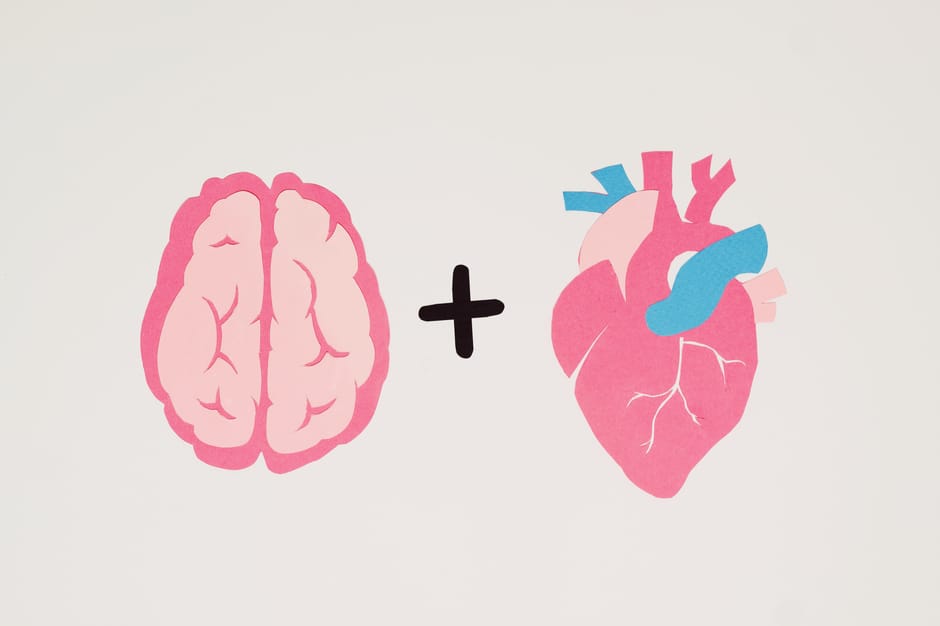
The Brain Science Behind Trust
Look, in two decades of running teams and advising executives, I’ve seen a lot of leadership theories come and go. But one constant? Trust. It’s not some soft, fluffy HR concept; it’s the fundamental operating system for any high-performing team. And guess what? Your brain knows it. We’re wired for it. Understanding the neuroscience of trust isn’t academic navel-gazing; it’s a practical, hard-edged advantage for any leader who wants to get things done.
Table of Contents
- The Brain Science Behind Trust
- Why Trust is the Bedrock of Leadership
- The Neuroscience of Trust: Key Brain Chemicals at Play
- Oxytocin: The Bonding Hormone
- Dopamine: The Reward System
- Serotonin: The Social Regulator
- Cortisol: The Stress Hormone
- Leadership Behaviors That Build Neurochemical Trust
- Fostering Psychological Safety
- Demonstrating Vulnerability
- Practicing Empathy and Compassion
- Ensuring Fairness and Consistency
- Communicating Transparently
- Case Study
- Action Plan: Cultivating Trust Through Neuroscience
- Further Reading & Frameworks
Why Trust is the Bedrock of Leadership
Think about it: would you rather follow someone you think might stab you in the back, or someone you know has your team’s — and your — best interests at heart? It’s an obvious question, but the implications are profound. Without trust, everything grinds to a halt. Innovation dries up, collaboration falters, and you spend more time managing problems than driving results. This isn’t just my opinion; it’s brain science.
The Biological Imperative for Trust
Our brains are fundamentally social organs. From our earliest ancestors, survival depended on group cohesion. Trust signals safety and belonging, while distrust triggers our ancient threat detection systems. When trust is present, our brains release chemicals that promote connection and cooperation. When it’s absent, we become guarded, stressed, and less effective.
The Economic Impact of Trust (or Lack Thereof)
This isn’t just about feeling good. High-trust environments are measurably more productive, profitable, and resilient. Teams that trust each other make faster decisions, take calculated risks, and bounce back from setbacks quicker. Conversely, low-trust environments are rife with conflict, politics, and wasted energy. The ROI on trust is staggering. If you’re serious about leadership, building trust is non-negotiable. For a deeper dive into the fundamentals, check out our Building Trust in Leadership: The Ultimate Guide for Leaders.
The Neuroscience of Trust: Key Brain Chemicals at Play
So, what’s actually happening in our heads when we trust someone? It’s a cocktail of neurochemicals, and as leaders, we can influence this mix through our actions.
Oxytocin: The Bonding Hormone
Often called the ‘love hormone’ or ‘bonding hormone’, oxytocin is released when we feel connected, safe, and appreciated. It reduces fear and anxiety, making us more open and cooperative. Leaders who foster genuine connection, express appreciation, and demonstrate care naturally boost oxytocin levels in their teams. Think of acts of kindness, celebrating wins together, or simply checking in on a team member.
Dopamine: The Reward System
Dopamine is associated with motivation, reward, and seeking. When we anticipate a positive outcome or achieve a goal, dopamine floods our system, making us feel good and driving us to repeat the behavior. Leaders who set clear goals, provide positive reinforcement, and create opportunities for success tap into this system. It’s about recognizing effort and celebrating progress, not just outcomes.
Serotonin: The Social Regulator
Serotonin plays a crucial role in mood, social behavior, and feelings of confidence and status. When we feel secure in our social standing and respected by our peers, serotonin levels are healthy. Leaders who treat everyone with respect, acknowledge contributions, and create an inclusive environment help maintain healthy serotonin levels, fostering a sense of belonging and reducing social anxiety.
Cortisol: The Stress Hormone
On the flip side, cortisol is the body’s primary stress hormone. High levels of cortisol, triggered by perceived threats, unfairness, or lack of control, impair cognitive function, shut down cooperation, and promote a ‘fight or flight’ response. Leaders who create unpredictable, fear-based, or overly critical environments inadvertently spike cortisol, making their teams less effective and prone to mistakes. Building psychological safety is the antidote here; learning about Vulnerability in Leadership: Your Unseen Strategic Advantage is a good start.
Leadership Behaviors That Build Neurochemical Trust
Understanding the science is one thing; applying it is another. Here are the leadership behaviors that directly influence the trust-building neurochemical cocktail:
Fostering Psychological Safety
This is paramount. When people feel safe to speak up, ask questions, admit mistakes, and propose new ideas without fear of ridicule or punishment, they are more engaged and innovative. Psychological safety directly counteracts the threat response associated with cortisol and promotes oxytocin release. It’s the foundation upon which all other trust behaviors are built.
Demonstrating Vulnerability
It sounds counterintuitive, but showing that you’re not infallible actually builds trust. Admitting when you don’t have all the answers, sharing a relevant personal lesson learned, or acknowledging a mistake makes you more human and relatable. This can foster oxytocin and reduce the perceived hierarchy that can create distance. Authentic Self-Expression in Leadership: Inspire Trust & Drive Impact speaks to this.
Practicing Empathy and Compassion
Truly understanding and considering your team members’ perspectives and feelings is critical. When you demonstrate empathy, you signal that you care about them as individuals, not just cogs in a machine. This boosts oxytocin and serotonin, strengthening bonds and making people feel valued. It’s about listening more than you speak.
Ensuring Fairness and Consistency
Humans have a strong innate sense of fairness. Perceived unfairness is a major cortisol trigger. Consistently applying rules, being transparent about decision-making processes, and treating everyone equitably builds predictability and safety. This reinforces positive social dynamics and supports healthy serotonin levels.
Communicating Transparently
Withholding information breeds suspicion and anxiety. Being open and honest about company performance, challenges, and decisions (even difficult ones) builds credibility. When people understand the ‘why’ behind actions, they are more likely to trust the ‘what’. This reduces uncertainty, a common driver of cortisol.
Case Study
Sarah took over a struggling tech startup in a highly competitive market. The team was fractured, morale was low, and innovation had stalled – classic symptoms of low trust and high cortisol. She started by implementing daily stand-ups, not for status reports, but for genuine connection and problem-solving. She openly shared the company’s financial challenges (transparency), admitted she didn’t have all the answers (vulnerability), and actively sought input on strategy (psychological safety). She made a point of publicly acknowledging individual contributions and team successes (dopamine and serotonin). Within six months, the team dynamic shifted dramatically. Collaboration increased, project velocity improved, and they landed a major new client – a testament to the power of neurochemically-driven trust.
Action Plan: Cultivating Trust Through Neuroscience
- Prioritize Psychological Safety: Create an environment where it’s safe to take risks and be vulnerable. Encourage questions and admit mistakes openly.
- Practice Active Empathy: Make a conscious effort to understand your team’s perspectives. Listen more than you talk and acknowledge their feelings.
- Communicate Transparently: Share information openly and honestly, explaining the rationale behind decisions. Address concerns proactively.
- Be Fair and Consistent: Apply policies and expectations uniformly. Avoid favoritism and ensure processes are clear.
- Show Appreciation: Regularly acknowledge and celebrate individual and team efforts and achievements.
- Demonstrate Vulnerability Appropriately: Share your own learning experiences or challenges to build connection and relatability.
- Seek Feedback: Actively solicit input from your team and demonstrate that their opinions are valued.
Further Reading & Frameworks
- ‘The Neuroscience of You’ by Dr. Nezam Al-Sarraf – Explores how brain science impacts our daily lives and relationships.
- ‘Why Zebras Don’t Get Ulcers’ by Robert M. Sapolsky – A foundational text on stress, its biological impact, and how we cope.
- ‘Emotional Intelligence 2.0’ by Travis Bradberry & Jean Greaves – While not strictly neuroscience, it provides practical frameworks for understanding and managing emotions, which directly influence trust.
- ‘Drive: The Surprising Truth About What Motivates Us’ by Daniel H. Pink – Discusses the importance of autonomy, mastery, and purpose, all of which are linked to dopamine pathways and intrinsic motivation.
- ‘Building Trust: The 7 Habits of Highly Effective People’ by Stephen R. Covey – Though dated, Covey’s principles on integrity and character remain incredibly relevant to trust-building behaviors.