Warehouse Layout Optimization: A Leadership Blueprint for Operational Excellence
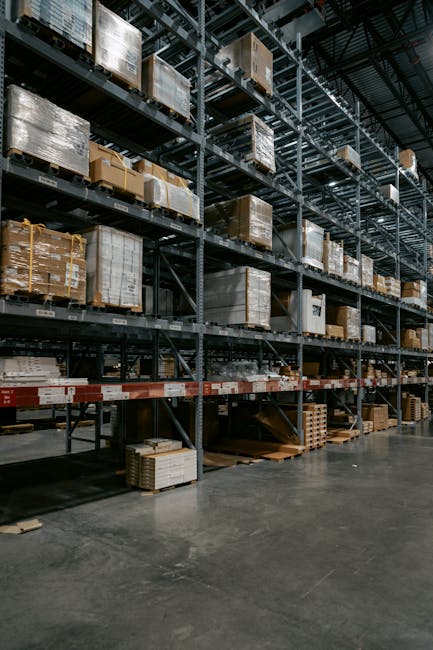
Warehouse Layout Optimization: A Leadership Blueprint for Operational Excellence
Executive Summary
In the high-stakes world of logistics and fulfillment, the physical layout of your warehouse isn’t just about storage. It’s a critical lever for operational efficiency, cost control, and ultimately, leadership effectiveness. A poorly designed layout can cripple your throughput, frustrate your teams, and inflate costs. Conversely, an optimized layout becomes a silent, powerful engine driving productivity and profitability. This article unpacks the strategic leadership imperative of warehouse layout optimization, moving beyond tactical fixes to a holistic, results-driven approach.
Table of Contents
- The Hidden Cost of a Bad Layout
- Core Principles of Warehouse Layout Optimization
- The Leader’s Role in Layout Strategy
- Common Layout Blunders and Leadership Fixes
- Measuring Success: Key Performance Indicators for Layout Optimization
- Further Reading & Frameworks
The Hidden Cost of a Bad Layout
Let’s cut to the chase. Are your warehouse operations a well-oiled machine or a perpetual scramble? If your teams are constantly backtracking, searching for items, or fighting for space, you’re bleeding money and crushing morale. I’ve seen operations where a simple re-slotting or aisle adjustment shaved 15% off picking times. That’s not trivial. It’s the difference between profitability and barely staying afloat. As leaders, we often focus on the people and the processes, but the physical environment is a foundational element that directly impacts both. Ignoring your warehouse layout is like ignoring a leaky roof – the damage, though initially hidden, becomes catastrophic over time. Addressing this is key to overall Warehouse Operations: Master Efficiency, Reduce Costs & Boost Growth.
Core Principles of Warehouse Layout Optimization
Optimization isn’t about random changes; it’s about applying fundamental principles that drive efficiency and safety. Think of these as the pillars of your layout strategy.
Optimize for Flow and Throughput
The goal is a logical, linear flow of goods from receiving to shipping, minimizing travel time and congestion. Every detour, every cross-traffic point, adds seconds that compound into hours. Consider product velocity – fast-moving items need to be easily accessible. This directly impacts Supply Chain Optimization Leadership: Strategies for a Resilient Future.
Maximize Space Utilization
Are you using vertical space effectively? Are your aisles wide enough for efficient movement but not so wide they waste floor space? Every cubic foot counts. High-density storage solutions, when implemented correctly, can dramatically increase capacity without expanding the physical footprint.
Prioritize Safety and Ergonomics
This is non-negotiable. A safe workspace is a productive workspace. Poor layout leads to accidents, strains, and injuries. Think about clear pathways, adequate lighting, designated zones for equipment, and ergonomic considerations for your team’s physical well-being. This aligns with a leadership approach focused on Mastering Leadership: Unlock Your Full Potential with Emotional Intelligence.
Build in Flexibility and Scalability
Markets shift, product lines evolve, and demand fluctuates. Your warehouse layout needs to adapt. Design with modularity in mind, allowing for easy reconfiguration as your business needs change. This foresight is a hallmark of strong Supply Chain Resilience Leadership: Navigate Disruption & Drive Growth.
The Leader’s Role in Layout Strategy
As leaders, our job isn’t just to approve a new floor plan. It’s to champion the process, understand the strategic implications, and ensure successful execution. This requires more than just technical knowledge; it demands effective leadership. Understanding how to attract the right people to execute these complex initiatives is paramount; explore effective Recruitment Marketing Strategies for Leaders to ensure your team is equipped for success. Achieving sustained success in these areas is often underpinned by robust Operational Excellence and Efficiency. For leaders aiming for comprehensive operational success, understanding best practices in leading supply chains for operational excellence is a critical next step.
Embrace a Data-Driven Approach
Gut feelings are poor substitutes for hard data. Analyze your current inventory, pick paths, labor costs, and order fulfillment times. Use this data to identify inefficiencies and validate proposed layout changes. This is the essence of ROI of Leadership: Mastering Cost-Benefit Analysis for Initiatives.
Foster Team Collaboration and Communication
Your frontline staff know the warehouse floor better than anyone. Involve them in the process. Solicit their feedback, understand their challenges, and leverage their insights. Open dialogue prevents costly mistakes and fosters buy-in. This ties directly into The Power of Communication for Great Leadership and Mastering Leadership Communication Styles: A Comprehensive Guide. A truly effective leader understands that fostering an environment where people feel safe to speak up is paramount; this concept is explored further in the article on the Leader as Architect of Psychological Safety. Furthermore, preserving valuable operational insights often requires specific strategies, such as exploring Ethno-leadership Methodologies for Tacit Knowledge Retention.
Navigate Change Effectively
Implementing a new layout is a significant change. Develop a clear communication plan, provide adequate training, and manage expectations. Address concerns proactively. This is change management 101, crucial for any initiative aimed at Unlock Peak Potential: The Ultimate Guide to Team Performance Optimization. It also links to how leaders like Bill Gates adapted his approach, as seen in What Specific Events Marked The Shift In Gates’ Leadership Style.
Common Layout Blunders and Leadership Fixes
Even with good intentions, layout projects can falter. Recognizing common pitfalls is key to steering clear of them.
Identifying and Eliminating Bottlenecks
These are the choke points in your operation – areas where workflow slows down dramatically. Often, they’re a direct result of poor layout choices, such as insufficient staging areas, narrow receiving docks, or poorly placed packing stations. Your leadership challenge is to identify these, understand their root cause, and redesign the flow. This is a practical application of Mastering Chaos: Adaptive Leadership Strategies for Volatile Environments.
The Pitfalls of Poor Slotting
Slotting – the strategic placement of SKUs – is intimately tied to layout. Putting heavy, fast-moving items on inconveniently high or distant shelves is a layout mistake. Conversely, placing slow-moving, heavy items near shipping can also create issues. Effective slotting requires a dynamic approach, informed by data and supported by a logical layout.
Overlooking Future Growth: A Strategic Blind Spot
Too many warehouses are designed for today’s needs, not tomorrow’s. Failing to account for anticipated growth in SKUs, order volume, or new product categories leads to costly retrofits or severe operational constraints down the line. A forward-thinking leader plans for scalability, making layout decisions with a five-to-ten-year horizon in mind. This mirrors the strategic foresight needed in Supply Chain Leadership Excellence: Your Blueprint for Operational Dominance.
| Layout Element | Common Issue | Leadership Solution |
|---|---|---|
| Aisle Width | Too narrow (congestion, safety risk) | Measure traffic flow; Widen based on equipment & volume. |
| Too wide (wasted space) | Optimize based on SKU density & pick path efficiency. | |
| Storage Density | Underutilized vertical space | Implement higher racking, mezzanines. |
| Inaccessible high-demand SKUs | Slot high-velocity items at ergonomic levels near exits. | |
| Workstations | Poorly located (long travel times) | Place packing/staging near shipping; kitting near receiving. |
| Inadequate space/ergonomics | Design for efficient movement and operator comfort. | |
| Receiving/Shipping | Congestion, lack of staging | Dedicated docks, ample staging areas, clear flow paths. |
Measuring Success: Key Performance Indicators for Layout Optimization
How do you know if your layout optimization efforts are working? Track these key metrics:
- Order Picking Accuracy: Improvement indicates better accessibility and flow.
- Order Cycle Time: Reduction signifies faster processing from order to shipment.
- Labor Productivity: Increased output per labor hour demonstrates efficiency gains.
- Warehouse Capacity Utilization: Higher percentages show better use of available space.
- Safety Incident Rate: Reduction points to improved safety and ergonomics.
- Cost Per Order: A decrease reflects overall operational efficiencies.
These metrics provide tangible proof of your leadership impact, tying directly to bottom-line results. They also underscore the importance of continuous improvement, a core tenet for any leader focused on Leadership, Knowledge and Skills. Achieving sustained success in these operational improvements is often underpinned by a solid understanding of Operational Efficiency Metrics for Leaders.
Further Reading & Frameworks
- The Toyota Production System (TPS): A cornerstone of lean manufacturing, emphasizing flow, waste reduction, and continuous improvement. Its principles are highly applicable to warehouse operations and layout design.
- Lean Warehousing: A practical application of lean principles to warehouse management, focusing on eliminating non-value-added activities.
- Theory of Constraints (TOC): By Eliyahu M. Goldratt. Focuses on identifying and managing the most significant bottleneck in a system to improve overall throughput. Crucial for layout problem-solving.
- ‘The Goal: A Process of Ongoing Improvement’ by Eliyahu M. Goldratt: A business novel that makes TOC principles accessible and practical.
- ‘Logistics and Supply Chain Management’ by Paul Schary: A foundational academic text covering key principles relevant to warehouse operations and network design.
- ‘Warehouse Management: Logistics, Planning, and Execution’ by Jerry L. Wilson: Offers comprehensive insights into warehouse design, layout, and operational best practices.