Leveraging Big Data for Business Insights: Unlock Your Growth Potential
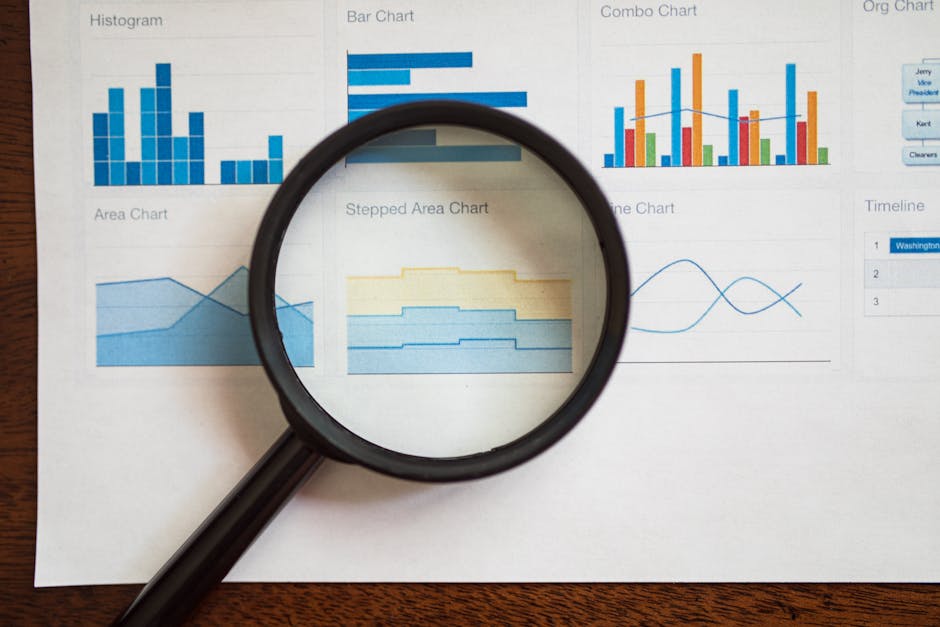
In today’s rapidly evolving business landscape, data is no longer just a byproduct of operations; it’s the most valuable asset a company can possess. The sheer volume, velocity, and variety of information generated daily present both a challenge and an unprecedented opportunity. Effectively leveraging big data can transform raw information into strategic intelligence, driving informed decision-making, optimizing operations, and ultimately, unlocking significant growth potential.
Executive Summary
- Big data offers immense potential for businesses to gain competitive advantages.
- Key applications include understanding customer behavior, optimizing operations, enhancing product development, and mitigating risks.
- Successful big data implementation requires a clear strategy, the right technology, skilled personnel, and a data-driven culture.
- Integrating big data analytics with AI and machine learning amplifies insights and automates decision-making.
- Challenges include data quality, privacy concerns, and the need for specialized expertise.
Table of Contents
- What is Big Data?
- Why is Big Data Crucial for Business Insights?
- Key Applications of Big Data in Business
- Building a Data-Driven Strategy
- The Role of AI and Machine Learning
- Challenges and Considerations
- Conclusion
- References
What is Big Data?
Big data refers to datasets that are too large, complex, and fast-moving to be handled by traditional data processing applications. It’s often characterized by the ‘Three Vs’:
- Volume: The sheer amount of data being generated from various sources like transactions, social media, sensors, and mobile devices.
- Velocity: The speed at which data is generated and needs to be processed, often in real-time.
- Variety: The diverse types of data, including structured (e.g., databases), semi-structured (e.g., XML files), and unstructured (e.g., text, images, audio, video).
More recently, the ‘Vs’ have expanded to include Veracity (data accuracy and trustworthiness) and Value (the business benefit derived from the data).
Why is Big Data Crucial for Business Insights?
In an era where customer expectations are constantly rising and markets are increasingly competitive, relying on intuition alone is no longer sufficient. Big data provides the empirical foundation for understanding nuanced trends, identifying hidden patterns, and making predictions that can propel a business forward. It moves organizations from reactive problem-solving to proactive strategy development. Companies that effectively harness big data gain a significant edge by understanding their market better, optimizing their resources, and anticipating future needs. This analytical power is crucial for achieving consistent growth, much like the principles behind continuous innovation highlighted in The Lean Startup.
Key Applications of Big Data in Business
Understanding Customer Behavior and Personalization
Big data analytics can dissect customer interactions across all touchpoints – from website visits and social media engagement to purchase history and customer service logs. This allows businesses to build detailed customer personas, understand purchasing patterns, predict future needs, and deliver highly personalized experiences. This level of insight is vital for building trust and engagement, as discussed in Maximizing Social Media for Your Business: How to Build Trust and Engagement.
Optimizing Operations and Supply Chains
From manufacturing floors to logistics networks, big data can identify inefficiencies, predict equipment failures, optimize inventory levels, and streamline supply chain processes. Predictive maintenance, for instance, can prevent costly downtime. Analyzing operational data can lead to significant improvements in Operational Efficiency Metrics and overall business performance. This also ties into effective Operations Management Fundamentals and managing the logistics of your business effectively, as explored in How To Set Up The Logistics Of Your Business.
Enhancing Product Development and Innovation
Analyzing market trends, customer feedback, and competitive product data helps businesses identify unmet needs and opportunities for innovation. Companies can use these insights to refine existing products or develop entirely new ones that resonate with the target audience. This iterative process mirrors the principles of continuous innovation.
Risk Management and Fraud Detection
Big data analytics can identify anomalies and patterns indicative of fraudulent activity or potential risks in financial transactions, cybersecurity, and operational processes. By analyzing vast datasets, businesses can detect and prevent fraud in real-time, protecting their assets and reputation.
Improving Marketing and Sales Strategies
Understanding customer demographics, preferences, and buying behaviors allows for more targeted and effective marketing campaigns. Predictive analytics can identify potential leads most likely to convert, optimize pricing strategies, and personalize sales outreach. This data-driven approach can significantly boost the effectiveness of Key Performance Indicators (KPIs) for marketing and sales efforts.
Building a Data-Driven Strategy
To effectively leverage big data, a well-defined strategy is essential. This involves more than just collecting data; it’s about extracting meaningful insights and acting upon them.
Defining Clear Objectives
Before diving into data collection and analysis, it’s crucial to define what business problems you aim to solve or what opportunities you want to explore. Are you looking to improve customer retention, reduce operational costs, or identify new market segments? Clear objectives will guide your data strategy and ensure your efforts yield tangible results, aligning with your Strategic Vision & Mission Alignment.
Ensuring Data Quality
Garbage in, garbage out. The insights derived from big data are only as good as the quality of the data itself. Implementing robust data governance practices, data cleansing processes, and validation checks is paramount to ensure accuracy, completeness, and reliability. Businesses may need to tackle inequalities, but they need good data to take action, as highlighted in Businesses say they want to tackle inequalities but they need more data to take action.
Choosing the Right Technology Stack
Selecting appropriate tools and platforms for data storage, processing, analysis, and visualization is critical. This might include data lakes, data warehouses, cloud-based analytics platforms, and business intelligence tools. The infrastructure must be scalable and capable of handling the volume and velocity of your data.
Cultivating a Data-Driven Culture
Technology alone isn’t enough. Fostering a culture where data is valued, trusted, and used at all levels of decision-making is key. This requires leadership buy-in, employee training, and clear communication about how data insights are being used to achieve business goals. It’s about embedding a consistent approach to improvement and growth.
The Role of AI and Machine Learning
Artificial intelligence (AI) and machine learning (ML) are powerful enablers for big data analytics. AI/ML algorithms can sift through massive datasets to identify complex patterns, make predictions, and automate decision-making processes at a scale and speed that humans cannot match. AI-Powered Performance Analytics can revolutionize how businesses understand and act upon their data, moving beyond descriptive insights to predictive and prescriptive recommendations.
Challenges and Considerations
While the benefits of big data are substantial, organizations face several challenges:
- Data Privacy and Security: Protecting sensitive customer and business data is paramount, requiring robust security measures and adherence to regulations like GDPR.
- Talent Gap: Finding and retaining skilled data scientists, analysts, and engineers can be difficult.
- Integration Complexity: Integrating data from disparate sources into a unified view can be technically challenging.
- Cost: Implementing and maintaining big data infrastructure and analytics tools can be expensive.
- Organizational Change: Shifting to a data-driven mindset requires significant cultural and operational adjustments.
Conclusion
Leveraging big data for business insights is no longer an option but a necessity for survival and growth in the modern economy. By strategically collecting, analyzing, and acting upon the vast amounts of data available, businesses can gain a profound understanding of their customers, optimize their operations, foster innovation, and mitigate risks. Embracing a data-driven approach, augmented by AI and ML, empowers organizations to make more informed decisions, adapt quickly to market changes, and build a sustainable competitive advantage. This transformation requires a clear vision, robust technology, and a culture that values data as a strategic asset, essential for future success and alignment with Strategic Vision Alignment.
References
- Manyika, J., Chui, M., Brown, B., Bughin, J., Dobbs, R., Roxburgh, C., & Byers, A. H. (2011). Big data: The next frontier for innovation, competition, and productivity. McKinsey Global Institute. scholar.google.com
- Ries, E. (2011). The Lean Startup: How Today’s Entrepreneurs Use Continuous Innovation to Create Radically Successful Businesses. Crown Business. leadership-and-development.com
- Oracle. (n.d.). What is Big Data? Retrieved from oracle.com
- SAS. (n.d.). Big Data Analytics Explained. Retrieved from sas.com
- Tan, P. N., Steinbach, M., & Kumar, V. (2005). Introduction to Data Mining. Addison-Wesley.
- Davenport, T. H. (2014). Big Data at Work: Dispelling the Myths, Uncovering the Opportunities. Harvard Business Review Press. hbr.org
- Statista. (n.d.). Big Data Market Size. Retrieved from statista.com
How has your organization successfully leveraged big data to achieve a breakthrough in performance or customer understanding?
Featured image by RDNE Stock project on Pexels