Women in Tech Leadership: Overcoming Barriers and Driving Innovation
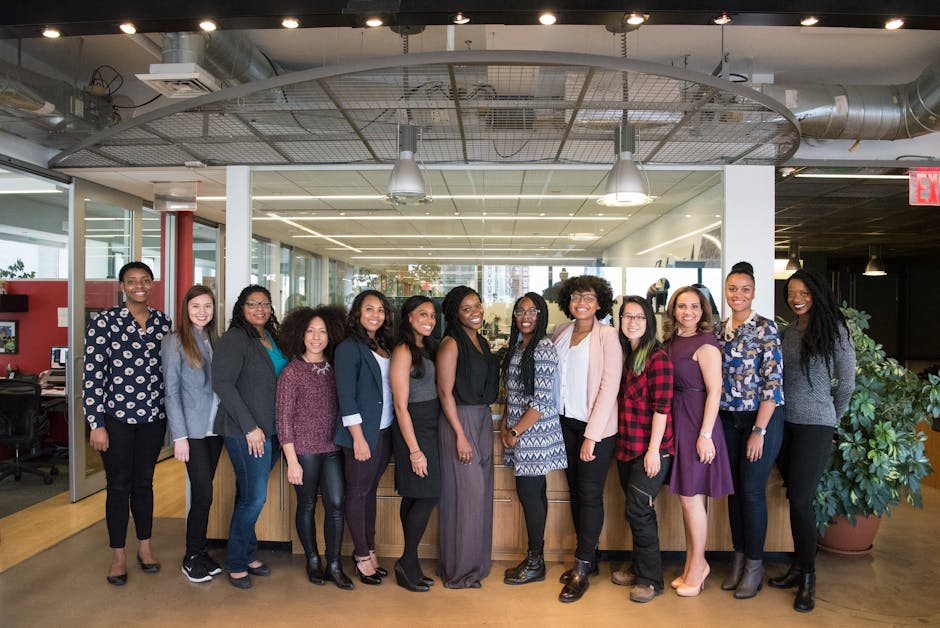
Breaking the Glass Ceiling: Navigating the Challenges for Women in Tech Leadership
The technology sector, a driving force of global innovation and economic growth, has historically been dominated by a particular demographic. While progress has been made, the ascent to leadership positions within tech remains a significant hurdle for women. Understanding and addressing the unique challenges women face is crucial for fostering a more equitable and innovative future. This article delves into these obstacles and offers insights on how to overcome them, paving the way for diverse leadership that better reflects the world we live in.
Executive Summary
Women in tech leadership face multifaceted challenges including unconscious bias, a lack of sponsorship, imposter syndrome, and the persistent work-life balance struggle. Overcoming these requires systemic changes in company culture, proactive individual strategies like mentorship and skill development, and a collective effort to champion diversity and inclusion.
Table of Contents
- Introduction
- The Unseen Hurdles: Systemic and Cultural Barriers
- Personal and Psychological Challenges
- Strategies for Advancement and Empowerment
- The Impact of Diverse Leadership
- Conclusion
- References
The Unseen Hurdles: Systemic and Cultural Barriers
The journey to the top in the tech industry is often laden with invisible obstacles that disproportionately affect women. These systemic and cultural barriers are deeply ingrained and require conscious effort to dismantle.
Unconscious Bias and Stereotypes
Subtle, often unintentional, biases can significantly impact career progression. Assumptions about women’s capabilities, commitment, or leadership styles can lead to fewer opportunities for challenging projects, promotions, and critical assignments. This is particularly true in fields where women are underrepresented. For instance, stereotypes might question a woman’s technical acumen or her ability to lead technical teams, creating a need for constant validation. Understanding and actively combating these biases is a crucial step towards Ethical Leadership Principles.
The "Prove It Again" Syndrome
Women in tech leadership often find themselves in a perpetual cycle of needing to prove their competence repeatedly. Unlike their male counterparts who may be judged on potential, women are frequently evaluated based on past performance, even after achieving significant success. This can manifest in being overlooked for promotions or having their ideas scrutinized more heavily. Overcoming this requires demonstrating consistent high performance and finding avenues to showcase expertise, which can be exhausting and demoralizing.
Lack of Sponsorship and Mentorship
While mentorship is often discussed, sponsorship – where a senior leader actively advocates for a protégé’s advancement – is arguably more critical for breaking through to the highest levels. Women in tech often report having fewer sponsors than men. Without these influential advocates, their visibility and opportunities can be significantly curtailed. Cultivating relationships with potential sponsors and actively seeking out guidance are vital. Resources on Leadership Development Programs can offer frameworks for identifying and nurturing these critical relationships.
Personal and Psychological Challenges
Beyond external barriers, women in tech leadership also grapple with internal and personal challenges that can impact their confidence and career trajectory.
Imposter Syndrome
Imposter syndrome, the persistent feeling of inadequacy despite evidence of success, is prevalent among high-achievers, and women in male-dominated fields like tech are particularly susceptible. The constant need to prove themselves and the societal pressures can exacerbate these feelings, making it difficult to fully own their accomplishments. Recognizing these feelings as common and not reflective of reality is the first step in managing them.
Navigating Work-Life Integration
The tech industry often demands long hours and a high level of commitment, which can be particularly challenging for women who disproportionately shoulder family and domestic responsibilities. Achieving a sustainable work-life balance is not just a personal goal but a systemic issue that requires organizational support. Companies that embrace flexible work arrangements and offer robust parental leave policies are better positioned to retain and promote female talent. This is closely related to Master Hybrid & Remote Leadership, which can offer solutions.
Strategies for Advancement and Empowerment
Navigating these challenges requires a multifaceted approach, combining personal resilience with strategic actions and advocating for systemic change.
Building a Strong Network
Creating a robust professional network is paramount. This involves seeking out mentors, allies, and sponsors who can offer guidance, support, and advocacy. Engaging in industry events, professional organizations, and online communities can expand reach and foster valuable connections. A strong network can provide support, insights, and even unlock opportunities for advancement. This echoes the importance of Leadership Branding.
Skill Development and Continuous Learning
Staying abreast of the latest technological advancements and honing leadership skills is non-negotiable. This includes technical expertise, strategic thinking, and crucial soft skills like Emotional Intelligence In Leadership. Investing in continuous learning demonstrates commitment and adaptability, essential qualities for any leader, especially in the fast-paced tech world. Familiarize yourself with Leadership, Knowledge and Skills to identify areas for growth.
Advocating for Yourself and Others
Women must actively advocate for their own career advancement, negotiating for promotions, raises, and challenging assignments. Equally important is the act of lifting others. Women in leadership roles can use their influence to mentor and sponsor other women, creating a more inclusive pipeline. Unlock Influence: Master Negotiation & Persuasion for Transformative Leadership provides valuable tools for this.
Organizational Best Practices
Companies play a pivotal role in fostering an environment where women can thrive. This involves:
- Implementing blind resume reviews to mitigate unconscious bias.
- Establishing clear diversity and inclusion goals with measurable outcomes.
- Creating structured sponsorship programs.
- Offering flexible work arrangements and comprehensive parental leave.
- Providing regular unconscious bias training for all employees.
- Ensuring pay equity across all roles.
Fostering a culture that values diverse perspectives is not just an ethical imperative but a business advantage. Companies should also consider principles of Adaptive Leadership Styles for Innovation to remain competitive.
The Impact of Diverse Leadership
Increasing the representation of women in tech leadership isn’t just about fairness; it’s about driving better business outcomes. Diverse leadership teams are often more innovative, make better decisions, and have a deeper understanding of a broader customer base. Research consistently shows that companies with greater gender diversity in leadership tend to outperform their less diverse counterparts financially. Furthermore, the presence of women leaders can inspire the next generation of female technologists, creating a positive feedback loop. As explored in Would the world be more peaceful if there were more women leaders?, diverse perspectives can lead to more nuanced and effective problem-solving.
Conclusion
The path for women in tech leadership is fraught with unique challenges, from pervasive unconscious bias to the struggle for work-life integration. However, by implementing strategic personal development, building strong support networks, advocating for oneself and others, and by demanding organizational commitment to diversity and inclusion, these barriers can be overcome. The tech industry, and indeed the world, stands to gain immensely from the full participation and leadership of women. Embracing a more inclusive future is not only the right thing to do, but it is essential for innovation, growth, and a more equitable society.
References
- Scholar.google.com: Women in Leadership: Barriers and Opportunities
- Hbr.org: The Top Barriers Preventing Women from Becoming CEOs
- Forbes.com: The Challenges Women Face In Tech Leadership
- Mit.edu: Women in Technology: The Challenges and Opportunities
- Ncbi.nlm.nih.gov: Gender bias in organizations: a meta-analysis of experimental studies on organizational decision-making
- Elsevier.com: The gender gap in tech leadership: Evidence from a large-scale survey
- Catalyst.org: Women in Tech: Key Statistics
Featured image by Christina Morillo on Pexels