Command Attention: Crafting Powerful Presentation Openings for Leaders
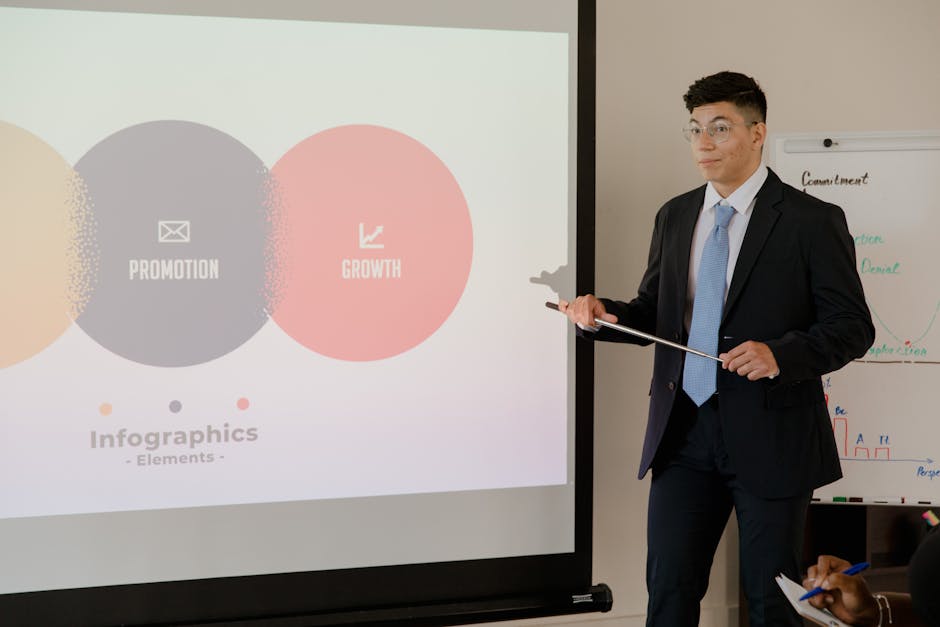
In the trenches of leadership, every word counts. And nowhere is this truer than at the very start of a presentation. You’ve got limited time to grab your audience, make a connection, and establish your authority. A weak opening is like a poorly executed handshake – it leaves a bad first impression that’s hard to shake. This isn’t about academic theory; it’s about hard-won experience from countless boardrooms and strategy sessions.
Table of Contents
- The High Stakes of a Flat Opening
- The Real Cost: Lost Influence and Opportunity
- Anatomy of a Compelling Hook
- Know Your Audience, Deeply
- Define Your Core Message
- The Power of Surprise and Relevance
- Proven Hook Strategies for Leaders
- The Startling Statistic
- The Provocative Question
- The Compelling Story
- The Bold Statement
- The Relatable Problem
- A Step-by-Step Guide to Crafting Your Hook
- Common Pitfalls to Avoid
- Being Too Generic
- Over-Promising and Under-Delivering
- Neglecting the ‘So What?’
- Conclusion
The High Stakes of a Flat Opening
Think about it. Your audience is likely juggling a dozen things. Their attention spans are tested before you even say your first word. A bland introduction – "Hello, my name is X and I’m here to talk about Y" – is a fast track to losing them. It signals a lack of preparation, a missed opportunity to connect, and frankly, a lack of respect for their time. In leadership, engagement is currency. A weak hook burns through that currency before you’ve even begun to build value.
The Real Cost: Lost Influence and Opportunity
A failed opening isn’t just about a quiet room. It’s about failing to influence decision-making, failing to inspire action, and failing to demonstrate strategic thinking. It can derail your message before it even gets going, impacting project buy-in, team morale, and your own perceived competence. This directly impacts your ability to effectively communicate and lead, as discussed in Mastering Verbal Communication: Strategies for Clear, Confident, and Compelling Connections. Furthermore, understanding how to truly inspire and influence often requires a deeper dive into the motivations that drive people beyond external rewards, such as through Intrinsic Motivation Theories for Leaders.
Anatomy of a Compelling Hook
What separates a presentation that people remember from one that fades into background noise? It’s a hook that’s surgically designed for impact. This isn’t about theatrical flair for its own sake; it’s about strategic communication rooted in understanding.
Know Your Audience, Deeply
Who are you talking to? What are their pains, their priorities, their existing knowledge? A hook that resonates with a room full of engineers will likely fall flat with a board of investors. Tailoring your message is non-negotiable.
Define Your Core Message
Before you even think about the hook, you must know the single most important takeaway you want your audience to leave with. What’s the core problem you’re solving or the opportunity you’re presenting?
The Power of Surprise and Relevance
A great hook often combines two elements: surprise and relevance. The surprise captures attention; the relevance makes it stick. It needs to feel immediately connected to their world or a significant challenge they face.
Proven Hook Strategies for Leaders
Forget generic advice. These are battle-tested methods that cut through the noise and establish your presence from the first second. Remember, your goal is to signal value and build credibility instantly.
The Startling Statistic
Use a data point that is unexpected, significant, and directly related to your topic. For example: "Did you know that 70% of strategic initiatives fail to deliver their intended results? Today, we’re going to change that."
The Provocative Question
Pose a question that forces the audience to think, challenge their assumptions, or consider a new perspective. "What if the biggest threat to our growth isn’t our competition, but our own organizational inertia?"
The Compelling Story
Open with a brief, vivid anecdote that illustrates the problem, the opportunity, or the core concept. Ensure it’s concise and directly ties into your main message. This taps into our innate love for narrative and makes information more memorable.
The Bold Statement
Make a strong, declarative statement that challenges conventional wisdom or clearly states your position. It must be confident and defensible. "We are not going to meet our Q3 targets unless we fundamentally re-architect our sales process."
The Relatable Problem
Describe a common pain point or challenge that your audience likely experiences. This creates immediate empathy and shows you understand their reality. "Every day, your teams are bogged down by manual data entry, costing us millions in lost productivity and increasing error rates. There’s a better way."
A Step-by-Step Guide to Crafting Your Hook
Crafting a killer opening isn’t magic; it’s a process. Follow these steps to build an opening that commands attention and sets the stage for your leadership message.
Step 1: Know Your Audience Deeply
Before you write a single word of your presentation, dive deep into understanding who you’re speaking to. What are their roles, their primary concerns, their level of expertise on your topic, and what do they hope to gain from your presentation? Research their recent challenges, company priorities, and even the prevailing mood. This isn’t just about demographics; it’s about psychological and professional alignment.
Step 2: Define Your Single Most Important Takeaway
If your audience could only remember one thing after your entire presentation, what would it be? This is your core message. Write it down as a clear, concise statement. Everything in your presentation, including your opening hook, must serve to illuminate and support this central idea. Without this clarity, your hook will lack direction, and your entire presentation risks becoming unfocused.
Step 3: Brainstorm Hook Concepts
Armed with your audience insights and core message, brainstorm multiple hook ideas using the strategies outlined above (statistic, question, story, statement, problem). Don’t censor yourself at this stage. Write down everything that comes to mind, even if it seems a bit wild. Think about different angles and emotional appeals. Consider how you might phrase it to create immediate intrigue and demonstrate your Executive Presence Through Speech.
Step 4: Test and Refine
Select your top 2-3 hook concepts and test them. Practice them aloud. Do they feel natural? Do they generate curiosity? Ask a trusted colleague or mentor to listen and provide feedback. Does the hook immediately convey the relevance of your topic to the audience? Refine the wording for maximum impact and clarity. Ensure it flows naturally into your introduction and the rest of your presentation. Be prepared to pivot if an initial hook doesn’t land as expected.
Common Pitfalls to Avoid
Even with the best intentions, leaders often stumble. Here are a few traps to steer clear of when crafting your opening.
Being Too Generic
Avoid openings that could apply to almost any presentation on any topic. "Good morning, everyone. I’m excited to be here." While polite, it’s forgettable. Your opening needs to be specific to your topic and your audience.
Over-Promising and Under-Delivering
Don’t create a hook so dramatic that your content can’t possibly live up to it. This erodes trust. Ensure your hook is ambitious but grounded in what you can realistically deliver. This ties into avoiding Common Mistakes When Crafting a Solution Statement.
Neglecting the ‘So What?’
Your hook might be interesting, but if the audience doesn’t immediately grasp why it matters to them, its impact is diminished. Always ensure your hook has a clear, implied or stated, relevance.
Conclusion
Your opening hook is your first and perhaps most critical act of leadership in a presentation. It’s your opportunity to seize attention, build rapport, and establish credibility. By understanding your audience, defining your core message, and employing strategic, proven techniques, you can transform your presentations from mere information dumps into powerful vehicles for influence and change. Make your opening count.